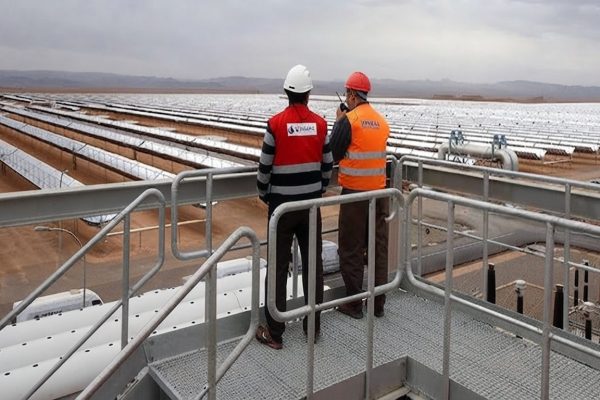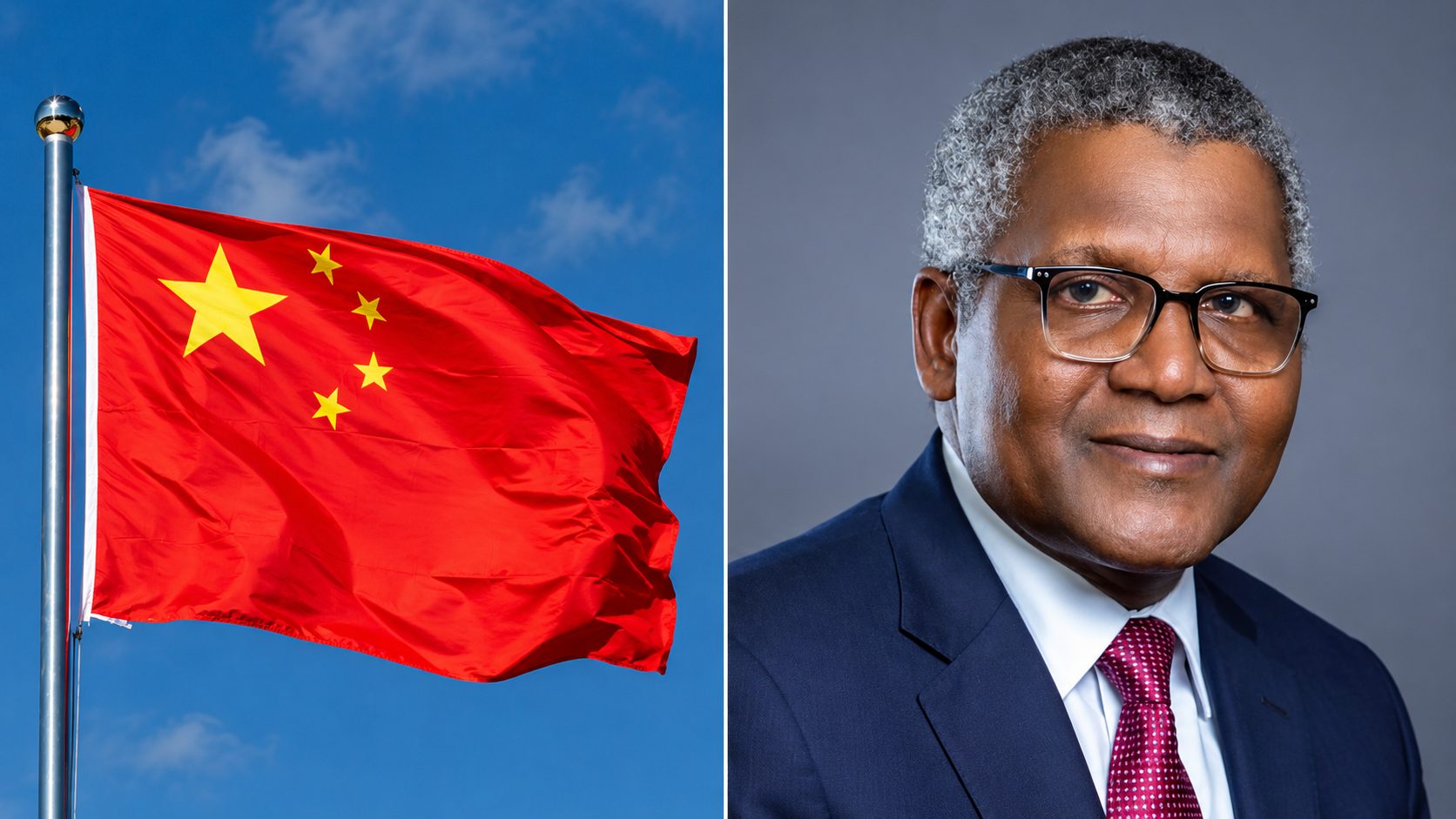
Industrial expansion across developing markets often relies on bold commitments, and the latest move by the continent’s premier business mogul certainly fits that description. Aliko Dangote has officially sealed an agreement valued at $800 million with Sinoma International Engineering Company Limited, a prominent Chinese engineering giant, to dramatically scale up operations at the Itori cement plant located in Ogun State. This major strategic partnership is designed to double the annual output of the facility from its current six million metric tonnes to an impressive 12 million metric tonnes per annum. By pushing production to these staggering heights, the project transforms the plant into one of the largest and most formidable manufacturing hubs of its kind anywhere in the world.
The formal signing ceremony brought together key industrial leaders, including Dangote Group President Aliko Dangote and Sinoma Chairman Lin Zhong, who executed the memorandum of understanding to cement their long-standing corporate relationship. Sinoma has previously partnered with the Dangote conglomerate to construct several state-of-the-art manufacturing facilities across Africa, and this new venture builds directly on that proven technical track record. Through this collaboration, the Chinese engineering firm will deploy advanced technology and global construction expertise to ensure the facility meets the highest international benchmarks for efficiency and environmental standards.
Several vital economic catalysts are driving this massive financial injection. Foremost among them is a deliberate pivot in national infrastructure policy within Nigeria, where the federal government has increasingly championed the use of concrete over traditional asphalt for major road construction networks. Concrete surfaces offer superior durability against the tropical climate and heavy vehicular loads while simultaneously reducing the heavy economic reliance on imported bitumen. This policy evolution has generated an unprecedented surge in domestic demand for cement, prompting major producers to scale up their manufacturing capacity well ahead of market curves.
Beyond satisfying local consumption needs, the capital injection serves a much broader geopolitical and economic strategy centered around regional trade. The expanded facility is strategically positioned to leverage the framework of the African Continental Free Trade Area, enabling the conglomerate to aggressively target cement-deficient markets across the wider region. Generating substantial foreign exchange earnings remains a critical priority for large African enterprises navigating currency volatility, and export-driven manufacturing provides an effective cushion. Furthermore, this initiative forms a cornerstone of the group’s ambitious Vision 2030 roadmap, which aims to lift total aggregate cement production capacity to somewhere between 90 million and 100 million metric tonnes yearly across all operational territories.
Market analysts have noted that the timing of this venture underscores deep-rooted confidence in the long-term viability of the regional economy, even as major corporate entities manage multiple high-value capital projects concurrently. While constructing an industrial asset of this magnitude requires a multi-year execution timeline, the phased capital deployment is structured to protect corporate liquidity while steadily expanding market dominance. As regulatory frameworks continue to evolve and regional trade integration deepens, mega projects of this scale are expected to redefine the competitive landscape for heavy industry throughout the developing world.
Boardroom Voices Africa Insight
This landmark agreement illustrates a masterclass in strategic alignment between domestic infrastructure shifts and regional export ambitions. By leveraging foreign engineering partnerships to scale up domestic asset creation, African industrial leaders are not only insulating themselves against local supply chain bottlenecks but are also actively capturing the immense value promised by continental trade integration.