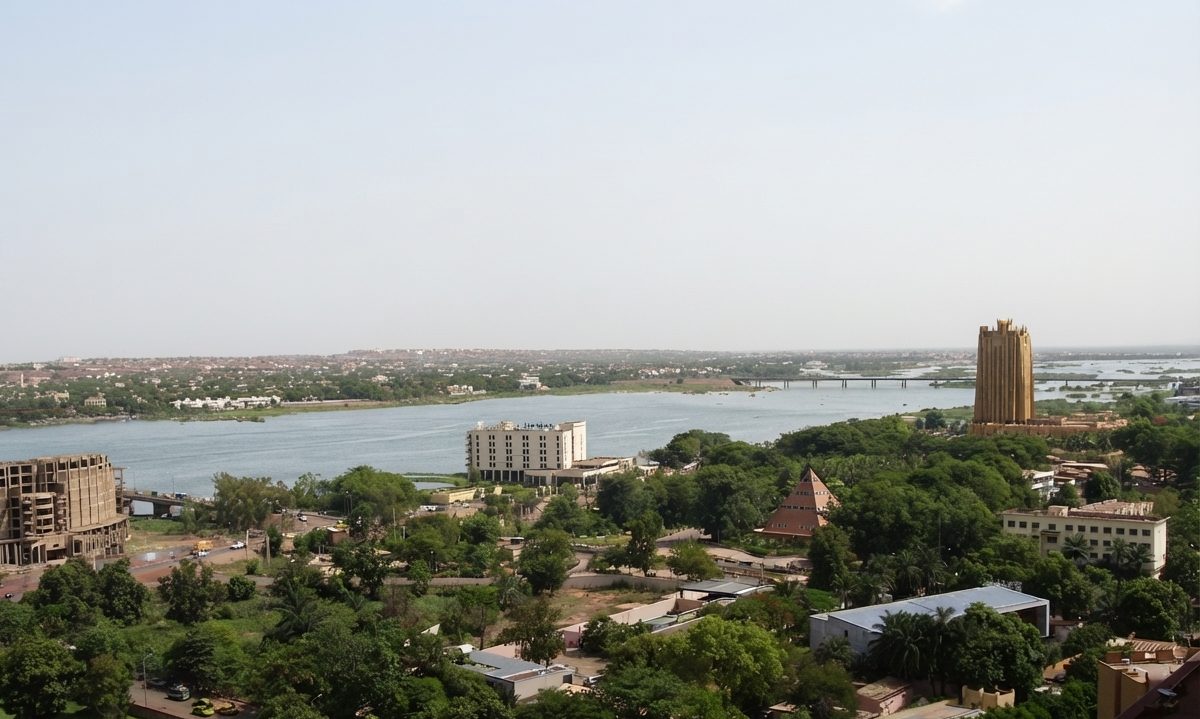
Mali is positioning its resource sector as the primary catalyst for national development. Following significant legislative overhauls and strategic shifts in how the state interacts with global resource extractors, the government has revealed a comprehensive financial blueprint designed to reshape the domestic economic landscape. By channeling capital generated from recent policy changes, administration officials believe the country can secure up to $800 million or roughly 500 billion CFA francs to build out vital public works. This major financial push represents the first clear indication of how executive leaders intend to deploy the monetary windfalls generated by a revised regulatory framework.
The initiative centers around the Energy, Water and Transport Infrastructure Development Fund, an institutional vehicle established following a major legislative overhaul of the national mining code. While the original code revisions introduced higher royalty rates and expanded state ownership stakes within various extraction ventures, they also created friction with international operators. Companies such as Canada-based Barrick Gold found themselves navigating complex disputes over the updated fiscal terms. Despite these initial tensions, the regulatory changes have successfully forced a larger portion of resource profits to remain inside the country, creating a steady stream of capital dedicated exclusively to public enhancement.
During a recent broadcast on national television following the inaugural gathering of the infrastructure fund board, Finance Minister Alousseni Sanou detailed the impressive accumulation of resources. Between January 1, 2025, and June 30, 2026, the fund successfully mobilized 109.14 billion CFA francs. The mechanism relies entirely on mandatory contributions from both large- and small-scale mining permit holders operating across the territory. Under the current rules, companies contribute one percent of their quarterly turnover alongside ten percent of ad valorem taxes during the initial five years of a mine lifecycle, with the tax rate scaling up to two percent thereafter.
Government projections indicate that these sector-specific contributions generate a baseline of at least 50 billion CFA francs annually. Economic architects intend to use this consistent annual stream as leverage to attract substantially larger debt facilities and institutional backing. By utilizing the capital as collateral or credit enhancement rather than spending it as simple cash grants, the administration can multiply its purchasing power. This strategy effectively transforms routine resource extraction taxes into a powerful financing engine capable of supporting large-scale engineering feats.
The scope of the planned developments addresses some of the most critical structural bottlenecks facing the landlocked nation. Infrastructure and Transport Minister Dembele Madina Sissoko outlined a diverse portfolio of designated projects slated for investment. The pipeline includes extensive railway construction to streamline export corridors, major road expansions to connect isolated commercial hubs, and the acquisition of specialized vessels to boost inland waterway transport along the Niger River system. Additionally, a portion of the financial support will target logistics initiatives linked directly to state-owned carrier Mali Airlines.
This aggressive push to monetize natural wealth mirrors a broader continental trend. Across various resource-rich African jurisdictions, governments are growing increasingly dissatisfied with traditional economic models that leave host nations with minimal long-term assets after deposits are depleted. Neighboring nations have pursued similar paths, such as Ghana, where lawmakers previously approved frameworks to direct mineral revenues into flagship national development programmes. By retaining greater control and routing funds directly into targeted public works, these governments hope to build resilient economies that thrive long after the mining shafts eventually close.
Observer caution remains warranted as execution begins. Success depends heavily on transparent governance, disciplined project management, and the ability to maintain constructive relationships with international financial institutions that can provide the necessary matching capital. If managed correctly, the strategy could serve as a blueprint for other landlocked African states seeking to convert subterranean wealth into above-ground prosperity.
Boardroom Voices Africa Insight
Mali’s bold strategy highlights a vital evolution in African resource governance. By shifting from passive taxation to active financial leverage, resource-rich nations are taking direct control of their development destinies. However, the true test for executive leadership will lie in transparent execution and maintaining stable partnerships with private operators, ensuring that short-term revenue grabs do not compromise long-term investor confidence or sustainable project delivery.