Global markets are on edge as Middle East tensions push oil prices higher, raising fears of inflation, supply chain disruptions, and economic uncertainty. While Wall Street remains near record highs, investors worldwide are watching the Strait of Hormuz closely as geopolitical risks continue to shake global finance.
by Danielle Harper Coleman
Global financial markets are once again facing uncertainty as rising tensions around the Strait of Hormuz trigger sharp swings in oil prices, sending investors into cautious territory while testing the resilience of major economies.
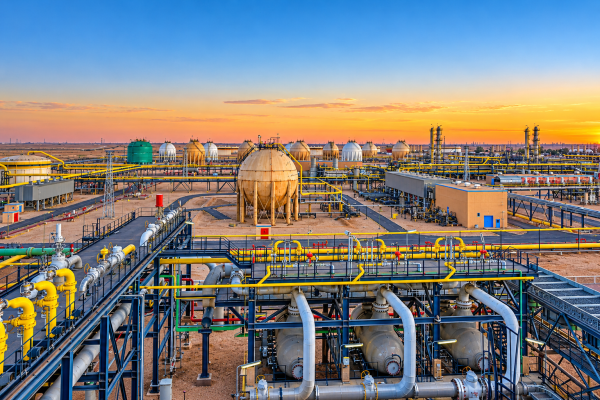
The Strait of Hormuz — one of the world’s most critical oil shipping routes — has become a focal point for traders and governments following renewed instability across the Middle East. Any disruption in the region threatens the steady flow of crude oil exports, pushing energy prices higher and fueling concerns about global inflation.
Oil price volatility has already begun affecting international markets, with investors worried that prolonged instability could increase transportation costs, weaken supply chains, and place additional pressure on central banks already battling inflation.
Despite the uncertainty, Wall Street continues to show remarkable resilience. Major U.S. indexes remain close to record highs, supported by strong corporate earnings, continued momentum in the technology sector, and investor confidence in artificial intelligence-driven growth.
However, analysts warn that the optimism may be fragile. Higher oil prices could eventually slow consumer spending, raise manufacturing costs, and complicate interest rate decisions for the U.S. Federal Reserve and other global central banks.
Emerging markets, particularly in Africa and Asia, are expected to feel stronger pressure if energy costs continue climbing. Oil-importing nations may face increased inflation, weaker currencies, and rising living costs, while oil-exporting economies could benefit from temporary revenue gains.
For African economies, the impact remains mixed. Energy-producing countries such as Nigeria, Angola, and Algeria could see stronger export earnings if crude prices stay elevated. Yet economists caution that gains may be offset by domestic fuel subsidy pressures, currency instability, and broader global economic slowdown risks.
Financial analysts say investors are now closely monitoring diplomatic developments in the Middle East, shipping activity through the Strait of Hormuz, and future signals from global central banks as markets attempt to balance geopolitical risk against continued economic growth.