by Kwame Luthando Mensah
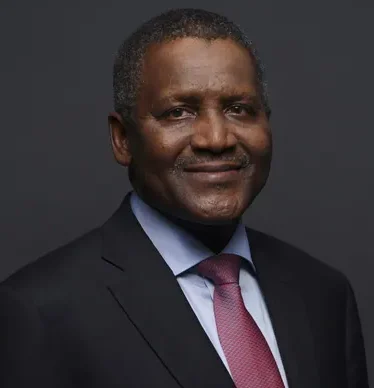
Africa’s richest industrialist Aliko Dangote is reportedly leaning toward Kenya as the preferred location for his proposed $15 billion–$17 billion mega refinery project, marking a potentially transformative shift in East Africa’s energy and industrial landscape.
The proposed investment, still under evaluation, reflects a broader strategy to expand Africa’s refining capacity and reduce dependence on imported petroleum products across the region. According to sources familiar with the discussions, Kenya emerged top in technical and commercial assessments that compared multiple coastal sites across East Africa, including Tanzania, Mozambique, Uganda, and Zanzibar.
The evaluation process placed strong emphasis on logistics, crude accessibility, port infrastructure, and regional market integration rather than political considerations.
Kenya’s Strategic Advantage in the Competition
The Kenyan coastal city of Mombasa reportedly ranked highest due to its established role as East Africa’s primary petroleum gateway. The port already serves multiple landlocked countries, including Uganda, Rwanda, Burundi, South Sudan, and parts of the Democratic Republic of Congo.
Its deep-water capabilities, shipping efficiency, and existing fuel distribution infrastructure give it a significant advantage over competing locations. Analysts note that for a refinery of this scale—projected to process around 650,000 barrels of crude per day—port depth, vessel capacity, and crude handling efficiency are decisive factors.
The source also noted that Kenya’s geographic positioning allows for flexible crude sourcing from both regional producers and global suppliers, including potential imports from the Middle East.
Regional Comparison: Tanzania and Mozambique Fall Behind
In the technical ranking, Tanzania placed third, while Mozambique came in second. Despite Tanzania’s strategic involvement in the East African Crude Oil Pipeline project linking Ugandan oil to the coast, analysts say its port infrastructure was less competitive compared to Mombasa’s capacity and existing fuel distribution network.
Mozambique, while strong in natural gas and emerging energy infrastructure, reportedly lacked the same level of refined product distribution connectivity needed to support a mega-scale refinery serving multiple inland markets.
Commercial Logic Behind the Decision
According to project insiders, the selection process was driven strictly by economic viability and operational efficiency.
As one source noted, “the refinery must be in a location where crude can be received easily from anywhere,” highlighting the importance of global shipping access and supply flexibility.
This aligns with Dangote’s broader industrial model, which prioritizes scale, logistics efficiency, and regional market integration—an approach already demonstrated in his Lagos refinery operations in Nigeria.
Regional Energy Demand and Market Opportunity
East Africa remains heavily dependent on imported refined petroleum products, exposing economies to global price shocks, shipping disruptions, and foreign exchange pressure.
The proposed refinery would aim to reduce this dependency by supplying domestic markets while also exporting refined products across the region.
Countries such as Uganda, South Sudan, and Tanzania represent significant demand centers due to growing transport, industrial, and urban energy consumption needs.
Political Momentum and Regional Integration
The proposal also aligns with earlier discussions among East African governments, including remarks by Kenyan President William Ruto, who indicated regional interest in joint refinery development involving Kenya, Uganda, Tanzania, South Sudan, and the Democratic Republic of Congo.
While earlier speculation highlighted Tanzania’s Tanga port due to its link to Uganda’s crude pipeline infrastructure, the latest technical assessments suggest Kenya is now emerging as the stronger contender.
Strategic Implications for Africa’s Energy Future
If finalized, the project would rank among the largest refinery investments on the African continent and could significantly reshape regional fuel supply chains.
The development would also strengthen Africa’s downstream oil independence at a time when global energy markets remain unstable due to geopolitical tensions, shipping route disruptions, and fluctuating crude prices.
Dangote’s existing refinery in Lagos has already begun influencing fuel trade flows in West Africa, positioning him as a central player in Africa’s evolving energy architecture.
A successful East African expansion would further extend that influence, potentially creating a continental refining network with long-term implications for pricing, supply stability, and industrial growth.
For now, Kenya’s emergence as the preferred location signals a decisive shift toward infrastructure-led competitiveness in Africa’s energy investment landscape—where logistics, scale, and market access outweigh political alignment.