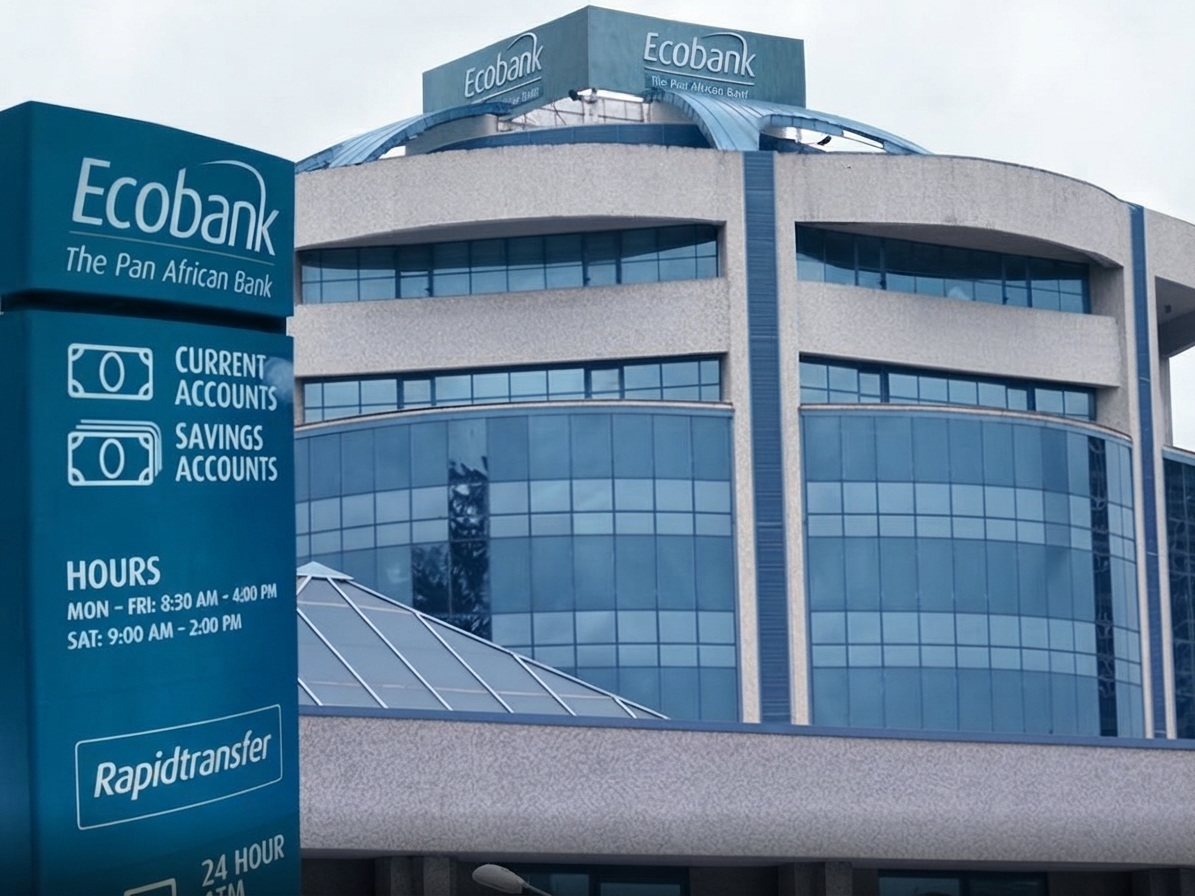
The financial landscape across the African continent has faced a barrage of testing macroeconomic headwinds, ranging from persistent inflationary pressures to shifting geopolitical realities that continue to influence energy markets and currency valuations. Yet amidst these hurdles, major banking institutions are demonstrating that strategic focus and operational agility can yield impressive outcomes. Ecobank Group has captured widespread attention within the regional banking sector by releasing a robust set of financial statements for the first half of the year, signaling that its core growth strategy is firing on all cylinders.
According to the official unaudited earnings reports released by the pan-African banking conglomerate, the institution successfully grew its profit before tax to $423 million for the six months ending June 30, 2026. This figure represents a healthy six percent increase compared to the $398 million reported during the corresponding period in the previous year. Driving this bottom line expansion was a stellar performance in top line revenue generation, where net revenue climbed by 15 percent year on year to reach $1.28 billion. Market analysts tracking the lender note that these figures validate the institution’s ongoing reliance on a diversified geographic footprint and a balanced operational model that cushions individual market shocks.
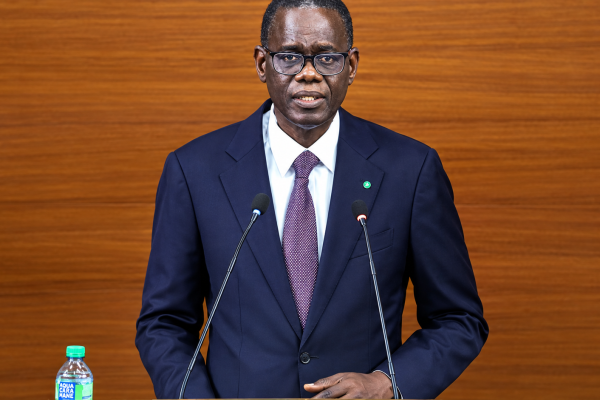
Group Chief Executive Officer Jeremy Awori attributed the strong showing to the meticulous execution of the organization’s strategic roadmap, which prioritizes disciplined expense management, digital innovation, and deep customer alignment. Leadership pointed out that the bank managed to improve its operational efficiency significantly, bringing its cost-to-income ratio down to a stellar 48.4 percent. Such efficiency gains are particularly vital in an era where administrative and operational expenses threaten to erode margins across the financial services sector.
A closer examination of the earnings breakdown reveals that growth was broad-based across multiple business segments. Both corporate and investment banking divisions, alongside the consumer and commercial banking units, delivered solid contributions. Treasury solutions, trade finance operations, and an increasingly sophisticated payments ecosystem served as primary catalysts for the top-line acceleration. Non-interest revenue continued to prove its worth as an essential buffer, accounting for more than 41 percent of the total revenue pool and reinforcing the bank’s earnings stability.
Digital transformation initiatives also yielded tangible dividends during the first half of the year. Payment revenues expanded by 10 percent, propelled by higher wholesale payment volumes, surging merchant acquiring activities, and sustained traction in card-based solutions. Furthermore, the total value of digital transactions processed across the network surged by 33 percent. This surge underscores how deeply embedded the institution’s digital platforms have become in the daily financial routines of millions of retail and corporate customers across its vast footprint.
Customer trust in the banking group deepened concurrently, manifesting in a notable expansion of deposit liabilities. Total customer deposits grew substantially, reaching $27 billion. Crucially, the quality of these deposits also improved, as low-cost current and savings accounts expanded to represent 85 percent of the total deposit mix. This favorable deposit composition played a pivotal role in reducing overall funding costs, protecting net interest margins, and providing a stable liquidity cushion to support ongoing credit creation and economic development initiatives.
Geographically, the bank witnessed resilient performance across its operating regions. Central, Eastern, and Southern Africa emerged as a standout performer, registering a 20 percent jump in net revenue to hit $470 million. Anglophone West Africa followed closely with a 16 percent revenue increase to $372 million, while Francophone West Africa maintained a steady upward trajectory with a six percent rise to $382 million. Meanwhile, operations in Nigeria delivered a notable 23 percent net revenue growth, even as management maintained a conservative stance on strengthening asset quality and managing risk portfolios.
Beyond traditional banking metrics, Ecobank made landmark waves in sustainable finance during the period under review. In June, the institution made global capital markets history by issuing a $450 million Tier 2 Sustainable Agriculture and Natural Capital Bond on the London Stock Exchange. Recognized as the world’s first International Capital Market Association-designated Nature Bond originating from a commercial bank, the offering drew extraordinary investor enthusiasm. Demand soared past $1.36 billion, allowing the group to upsize the transaction, tighten pricing, and secure vital funding dedicated to environmental and agricultural resilience across 24 markets.
These operational milestones did not go unnoticed by the broader financial community. Over the course of the year, the institution has garnered prestigious accolades, including being named Best Bank in Africa by Global Finance and securing the title of African Bank of the Year at the annual industry awards. As the banking group steers into the second half of the year, management remains cautiously optimistic that its strategic discipline, robust capital buffers, and unwavering customer dedication will continue to generate sustainable value for shareholders and the wider African economy.
Boardroom Voices Africa Insight
Ecobank’s first half performance demonstrates that pan-African financial institutions can successfully convert regional diversification into a competitive shield against macroeconomic volatility. By pairing disciplined cost optimization with high-impact innovations like the world’s first commercial Nature Bond, the group is redefining how African banks can simultaneously scale profitability and champion sustainable, long-term regional development.