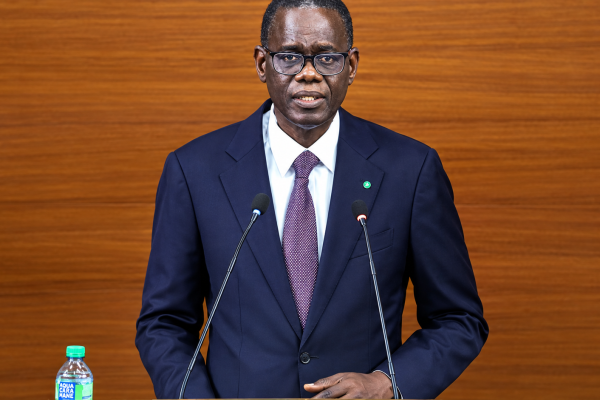
Nigeria LNG Limited has achieved a major corporate milestone by generating cumulative earnings of approximately $150 billion since commencing commercial operations. The strong financial performance shows the energy giant’s enduring commercial strength and its growing importance to the West African economy. During a comprehensive media presentation of the company’s performance metrics in Lagos, the Managing Director and Chief Executive Officer, Adeleye Falade, revealed that cumulative revenue has reached approximately $149.6 billion.
The extensive briefing highlighted how the Bonny Island-based enterprise has consistently delivered value to its stakeholders despite shifting global economic dynamics. Out of the total earnings realized over the years, the firm has distributed a massive $47.2 billion in dividends to its various shareholders. This investor payout directly benefits the Federal Government of Nigeria, which maintains a significant equity stake in the joint venture through the state oil corporation, alongside other international energy partners.
Beyond rewarding shareholders, the organization has maintained an exemplary record of statutory compliance. Falade noted that the enterprise has remitted over $10.8 billion in various taxes to the federal authorities since transitioning into a fully tax-compliant entity. These substantial remittances have consistently bolstered public finances, cementing the company’s status as one of the most reliable corporate contributors to the national treasury.
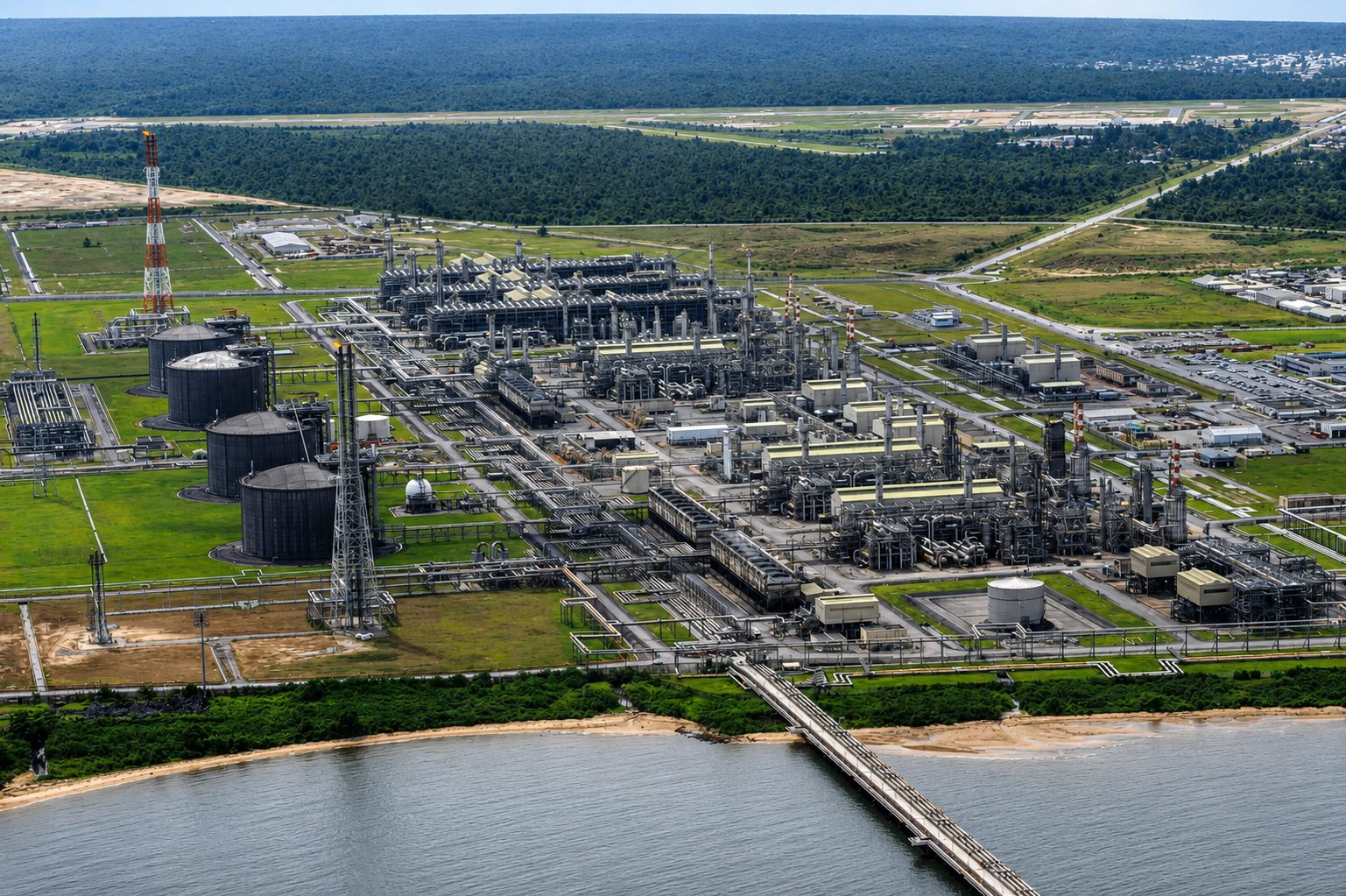
The corporate expansion over the decades has also translated into formidable physical assets. The company has built a robust asset base valued at over $22.9 billion, positioning the Bonny Island facility as one of the largest industrial complexes across Sub-Saharan Africa. Operational efficiency remains a core pillar of the business model, with the enterprise currently managing six operational liquefaction trains that boast a combined production capacity of 22 million tonnes per annum.
International market penetration has grown steadily alongside domestic commitments. Delivery records show that the firm has successfully loaded and transported more than 6,285 liquefied natural gas cargoes to diverse buyers across Europe, Asia, the Middle East, and other global destinations. These international shipments account for roughly six percent of total global supply, firmly establishing Nigeria as a prominent player in the competitive worldwide gas trade.
Addressing the operational structure during the interactive session, the chief executive clarified common public misconceptions regarding the business model. He emphasized that the organization does not extract natural gas directly from the earth, but rather purchases the commodity from upstream exploration companies. The enterprise then processes, purifies, liquefies, and transports the product using its dedicated fleet of 22 vessels, which includes 20 specialized LNG carriers, one domestic LPG vessel, and an operational support ship.
Domestically, the company continues to play a vital role in stabilizing the local energy ecosystem. Last year, the firm supplied a record 500,000 tonnes of liquefied petroleum gas to the domestic market, satisfying approximately one third of total national demand for cooking gas. This represents a monumental leap from the modest volumes distributed when the local supply intervention initiative first kicked off, demonstrating a steadfast commitment to domestic energy security and cleaner cooking alternatives.
Looking ahead, management remains focused on executing pivotal growth projects designed to futureproof operations. The much-anticipated Train 7 project is advancing steadily toward completion, a development expected to elevate total production capacity by about 35 percent to 30 million tonnes per annum. Preliminary discussions concerning potential future trains are also underway, signaling long-term confidence in the nation’s vast gas reserves as the global energy landscape transitions toward cleaner fossil fuels.
Boardroom Voices Africa Insight
The remarkable financial milestones achieved by Nigeria LNG Limited illustrate the profound economic multiplier effect that strategic public-private partnerships can unlock when managed with operational rigor and fiscal transparency. Generating $150 billion in revenue and returning $47.2 billion to investors proves that capital-intensive energy projects in Africa can deliver world-class returns while simultaneously supporting local industrialization. As the global energy transition accelerates and demand for cleaner transition fuels intensifies, the ability of the enterprise to successfully execute expansion initiatives like Train 7 will determine whether Nigeria can capture a larger share of the lucrative international gas market. For policymakers and corporate leaders across the continent, this performance serves as a masterclass in leveraging natural resource endowments to build resilient corporate balance sheets that weather macroeconomic volatility and drive sustainable national development.