Morocco is advancing its strategic position in green infrastructure by committing a massive investment of $1.5 billion to construct Africa’s second large-scale waste-to-energy facility. This ambitious undertaking is designed to tackle mounting environmental pressures while simultaneously transforming millions of tons of municipal refuse into a valuable utility. Located in Casablanca, the commercial heartbeat of the nation, the landmark project aims to resolve long-standing ecological challenges associated with the overcrowded Mediouna landfill.
For decades, the Mediouna site has served as the primary dumping ground for Casablanca. Accumulating piles reaching heights of nearly 70 meters have generated severe environmental hazards, including noxious odors, localized air pollution, and growing threats to neighboring agricultural lands. Municipal authorities determined that traditional containment methods were no longer sufficient. By shifting toward an innovative recovery model, the city is replacing an environmental liability with a state-of-the-art power generator that promises to redefine urban resource management across the continent.
To bring this commercial vision to life, the Casablanca municipal government awarded a high-profile concession agreement to an international consortium. The partnership brings together the Swiss-Japanese engineering firm Kanadevia Inova, Moroccan energy pioneer Nareva, and Japanese trading giant Itochu. Construction on the expansive 264-hectare site is slated to commence before the conclusion of the year, pending final debt and equity financial closures. Full commercial operations are targeted for mid-2030, though partial waste processing and early electricity generation could begin six to ten months before completion.
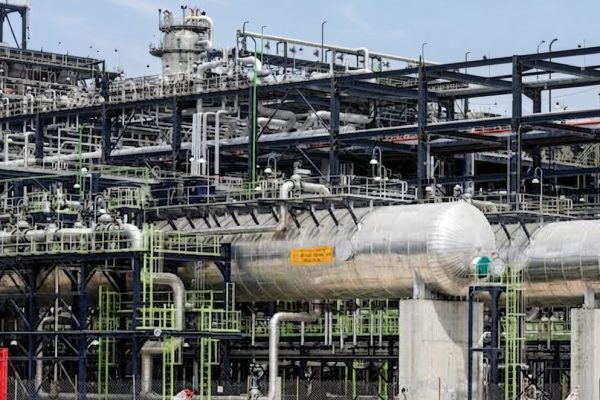
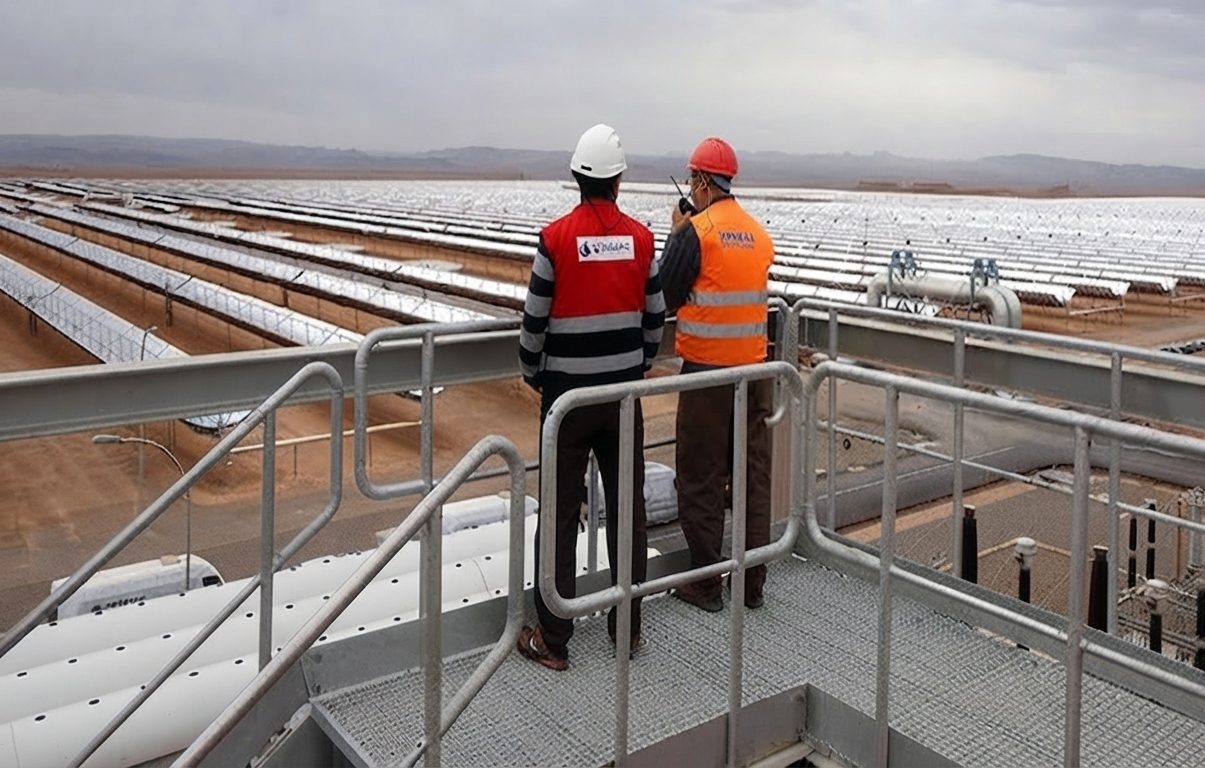
Once fully operational, the industrial installation will process roughly 1.5 million metric tons of municipal waste annually. Utilizing an integrated mixture of solid waste treatment, solar integration, and captured landfill gas, the plant will generate approximately 115 megawatts of electricity. This substantial energy output is projected to supply reliable power to nearly one million residents, easing grid pressure and providing a sustainable alternative to conventional fossil fuels. Furthermore, the initiative is expected to achieve dramatic reductions in greenhouse gas emissions, with environmental impact models suggesting cuts equivalent to twenty percent of Switzerland’s annual carbon footprint.
The financial structure supporting the venture highlights the growing confidence of international investors in North African green initiatives. The consortium has already secured a vital power purchase agreement with the state-owned electricity utility ONEE, establishing a clear commercial framework for the generated power. Additional funding is being sourced through a syndicate of domestic Moroccan financial institutions, demonstrating deep regional commitment to the multi-year development. Local construction heavyweight Somagec has been tapped to handle the physical execution of the massive engineering works.
Beyond the immediate energy benefits, the project represents a paradigm shift in how major African metropolitan areas approach circular economies. By converting refuse into electricity, Casablanca is setting a new benchmark for municipal waste management that other rapidly urbanizing economies will likely study closely. As construction phases approach and financing arrangements solidify, this monumental undertaking proves that large-scale ecological remediation and robust economic growth can successfully advance hand in hand.
Boardroom Voices Africa Insight
Morocco’s multi-billion-dollar investment underscores a critical evolution in African corporate and public infrastructure strategy. By leveraging public-private partnerships alongside cross-border technical expertise from European and Asian leaders, North African markets are transforming traditional municipal burdens into bankable, high-yield green assets. For business leaders and investors, this project signals that sustainable infrastructure is no longer merely an environmental aspiration, but a primary driver of long-term economic resilience and industrial innovation across the continent.