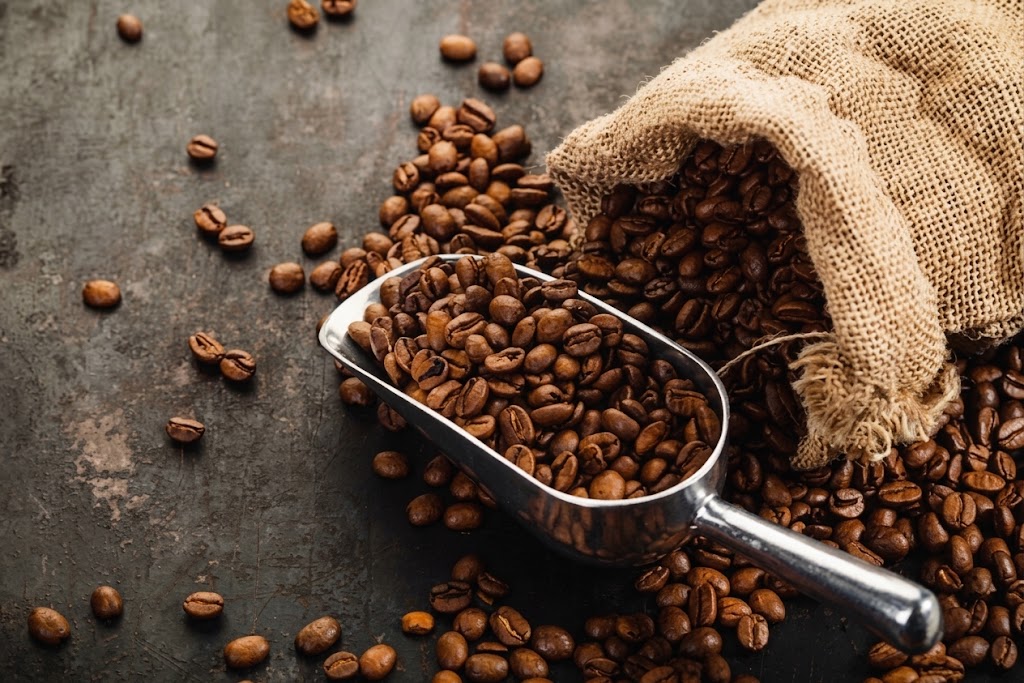
Tanzania is looking beyond coffee exports to unlock more income from the crop, with the Tanzania Coffee Board (TCB) encouraging farmers, processors and investors to turn coffee waste into commercially valuable products.
The initiative is aimed at strengthening the country’s coffee value chain by finding new uses for materials such as coffee husks, pulp and spent coffee grounds, much of which is currently discarded during processing.
More than 90% of the coffee cherry’s biomass can be left behind after processing and brewing. Tanzania now sees an opportunity to convert these byproducts into products for the energy, agricultural, manufacturing and consumer markets.
Potential applications include fuel briquettes, organic fertiliser, compost, cosmetics, textiles and industrial materials. Researchers and businesses are also exploring coffee waste for uses such as energy storage and water filtration, expanding the potential market beyond the traditional coffee beverage.
TCB Acting Director General Kajiru Kisenge said increasing value addition could raise earnings across the coffee industry by ensuring that more parts of the crop generate economic value.
The board is working with organisations including the Tanzania Coffee Association and Tanzania Coffee Research Institute to train industry participants on how coffee waste can be processed and reused rather than simply discarded.
The push comes as Tanzania seeks to expand both coffee production and domestic consumption. The country currently produces between 80,000 and 100,000 metric tonnes of coffee annually, according to TCB, with coffee contributing an estimated 24% of traditional export earnings.
The government is targeting production of 300,000 tonnes by 2030, with Europe, Japan and the United States currently among the major destinations for Tanzanian coffee. Authorities are also pursuing opportunities in markets such as China and the Middle East.
Production has already increased substantially in recent seasons, rising from an average of about 50,000 tonnes to close to 100,000 tonnes, according to the coffee board.
Smallholder farmers remain at the centre of the industry, managing more than 90% of Tanzania’s coffee-growing infrastructure, while large estates account for a smaller share of production and are concentrated mainly in regions such as Arusha, Kilimanjaro and Mbeya.
Beyond production, Tanzania is investing in technology and research to improve the industry’s productivity and resilience. The Tanzania Coffee Research Institute is working on climate-resilient planting materials, while farmers are being encouraged to adopt more sustainable agricultural practices.
The sector is also moving towards greater digitalisation. TCB is developing an online coffee auction system aimed at improving price transparency and creating more direct links between farmers and buyers, alongside the established Moshi coffee auction.
Waste management is another area receiving attention. Coffee pulp and husks can be converted into nutrient-rich compost, while dried husks can be processed into fuel briquettes, offering an alternative source of energy and potentially reducing pressure on forests used for charcoal production.
The board is also promoting more efficient processing equipment, including eco-pulpers and centralised processing facilities designed to reduce water consumption and make it easier to collect coffee byproducts for further use.
For Tanzania, the opportunity is increasingly about extracting greater value from every stage of coffee production. By commercialising what was once considered waste, the country is seeking to create additional businesses and income streams while building a more sustainable and competitive coffee industry.