The Democratic Republic of Congo (DRC) has launched a nationwide airborne geological mapping programme aimed at improving understanding of its mineral resources, reducing exploration risks and attracting investment into largely unexplored regions.
The initiative, known as PC2G-RDC, is designed to provide more detailed information on the country’s geology and identify areas with strong mineral potential. The programme comes as the government seeks greater control over the geological data that underpins future mineral discoveries.
The DRC is the world’s largest cobalt producer and Africa’s leading copper producer, yet authorities estimate that less than 10% of the country’s territory has been thoroughly explored.
The National Geological Service of the Congo (SGNC) is implementing the project with technical support from Spanish geophysics company Xcalibur. High-resolution airborne geophysical surveys will initially cover Kongo Central, Kwango, Kwilu and Greater Kasai, building on geological work already completed in Greater Katanga.
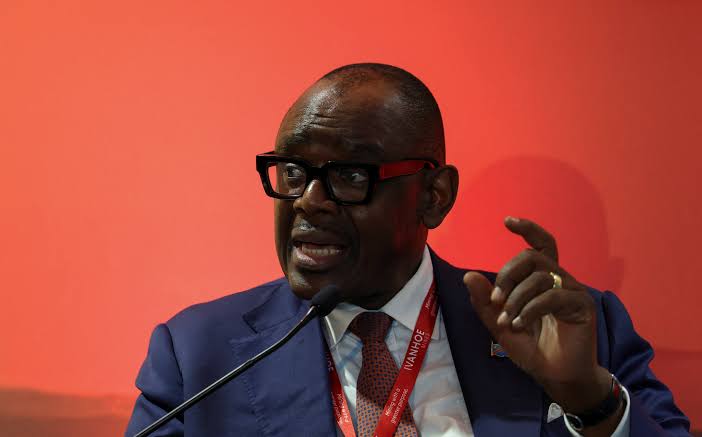
Mines Minister Louis Watum Kabamba said the programme is expected to expand the country’s geoscientific coverage from 22.27% to 46.1%, significantly improving the government’s understanding of its mineral-rich territory.
The survey will also modernise existing geological datasets, identify new exploration targets and strengthen the state’s ability to plan and negotiate future resource development projects.
SGNC Director General Raoul Wazenga Vitima said geological knowledge was an important part of national sovereignty, arguing that the country must have control over its maps, geological data, samples and scientific expertise.
For the DRC, the programme represents a strategic push to move beyond simply extracting minerals and towards building stronger domestic capacity to understand, manage and develop the resources beneath its territory.
With global demand for cobalt, copper and other critical minerals continuing to drive competition for African resources, improved geological data could help the DRC attract new exploration capital while giving the government greater leverage in managing future mining investments.