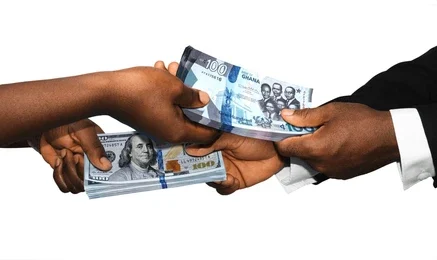
Ghana’s cedi is facing renewed selling pressure, with its decline against the US dollar reaching about 9.5% this year, according to the latest Bank of Ghana data.
The currency is trading at roughly GH¢11.55 to the dollar, compared with around GH¢10.95 earlier in August when the cedi staged a brief recovery.
The weakness has also spread across other major currencies. The cedi has fallen about 9% against the British pound, trading near GH¢15.45, while it has declined approximately 7.3% against the euro, which is trading around GH¢13.24.
The latest slide represents a significant change from 2025, when the cedi strengthened by roughly 29% against the dollar over the course of the year.
That performance has since reversed, with the currency losing about 8.1% against the dollar during the first half of 2026.
The World Bank has attributed part of the recent pressure to stronger foreign-exchange demand from Ghana’s energy sector, as well as dollar outflows linked to dividend payments by private companies.
The cedi’s weakness comes despite continued foreign-exchange inflows supported by Ghana’s trade surplus, highlighting how changes in demand for foreign currency can quickly affect the exchange rate.
The Bank of Ghana has described the recent movements as normal volatility within the country’s managed floating exchange-rate system.
The central bank has also introduced a revised foreign-exchange operations framework designed to make its market interventions more structured and predictable.
Meanwhile, the World Bank has reported signs of improvement in Ghana’s parallel foreign-exchange market, suggesting that conditions outside the formal market have become more orderly.
However, the latest depreciation shows that the cedi remains exposed to periods of elevated foreign-currency demand, particularly seasonal pressures and significant corporate outflows.