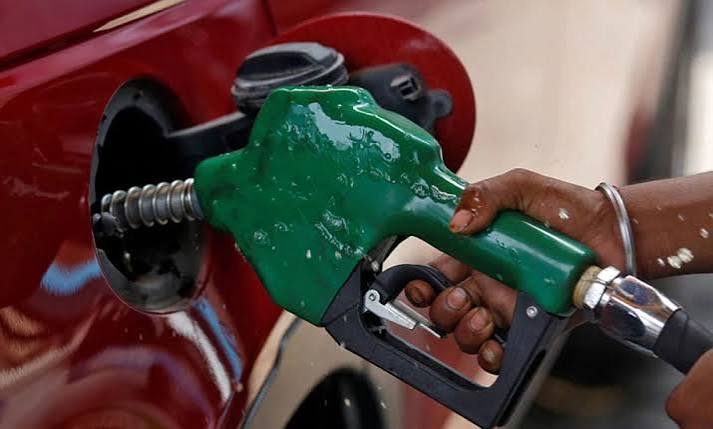
Nigeria is considering a petrol price cap of about ₦1,350 per litre as the government explores measures to contain rising fuel costs, protect consumers and reduce pressure on household incomes and businesses.
Finance Minister Taiwo Oyedele said the proposed mechanism would require refiners and fuel importers to absorb temporary increases in fuel costs, allowing them to recover losses when market conditions improve.
The proposal comes as global oil prices climb amid heightened tensions in the Middle East, pushing petrol prices to record levels and intensifying cost-of-living pressures across Nigeria.
Alongside the proposed price cap, the government is planning a 30-day fuel discount programme under which petrol would be sold at cost, with priority given to public transportation.
The initiative is intended to ease the immediate burden of rising transport expenses on commuters and businesses that depend heavily on road transport.
Officials are also considering forward crude oil sales to domestic refiners. By agreeing on feedstock prices in advance, the government hopes to reduce refiners’ exposure to fluctuations in international oil markets and improve the predictability of local fuel costs.
Oyedele said the government could introduce a windfall tax on energy companies found to be profiteering at consumers’ expense.
Revenue generated from such a measure would be directed towards transport subsidies and fuel vouchers for low-income urban workers, providing targeted relief to those most affected by rising petrol prices.
However, the proposed interventions raise important questions about implementation, the financial exposure of refiners and importers, and how the government would compensate businesses required to absorb temporary price increases.
The renewed surge in petrol prices has intensified Nigeria’s cost-of-living challenges, putting additional pressure on President Bola Tinubu’s administration as the country approaches its next election cycle.
For Africa’s largest economy, the challenge is to balance consumer protection with the financial sustainability of the downstream petroleum sector, particularly as fuel prices remain vulnerable to global market movements.
The proposed price cap, discounts and possible windfall tax signal a search for new ways to cushion consumers from fuel price volatility. Their effectiveness will depend on how the measures are structured, funded and implemented without creating fresh distortions in the domestic fuel market.