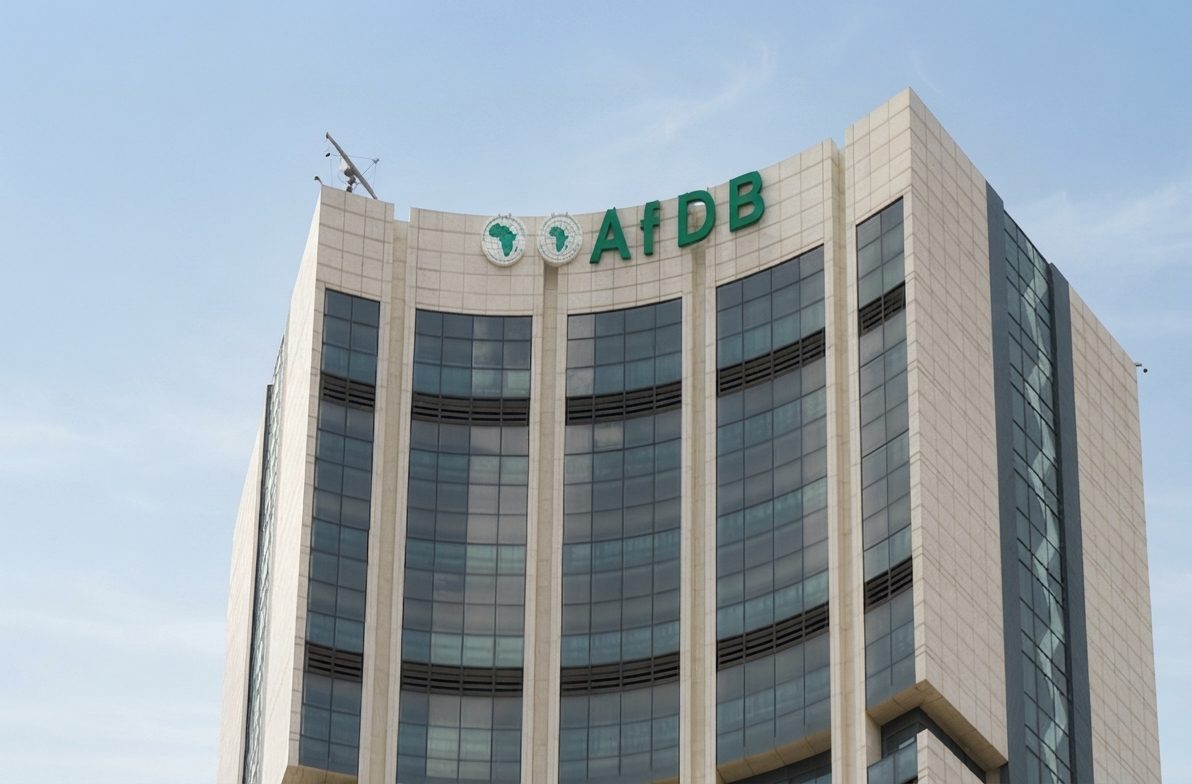
Africa stands at a profound historical crossroads regarding how its vast economic wealth is managed. For generations, the continent has operated primarily as a foundational extraction base for the rest of the globe, exporting raw and unrefined commodities while buying back expensive finished goods produced abroad. To challenge this entrenched economic pattern, Nigeria and the African Development Bank have united to push for absolute African stewardship over critical mineral reserves.
Gathered at the Ministerial Forum on Critical Minerals, Value Chain, and Beneficiation held in Abidjan, Côte d’Ivoire, Nigeria’s Minister of Solid Minerals Development, Dr. Dele Alake, alongside bank executives, presented a clear framework to replace traditional raw extraction models. The strategy prioritizes domestic value addition, technical data sovereignty, and synchronized cross-border industrial corridors across the region.
The continent currently holds over 30 percent of global critical mineral deposits, including 95 percent of chromium, 90 percent of platinum group metals, two-thirds of cobalt, and massive quantities of lithium, manganese, and graphite. These foundational elements drive the worldwide transition toward clean energy, fueling electric vehicle batteries, renewable grid infrastructure, and advanced technology manufacturing.
Despite hosting this remarkable concentration of natural assets, the continent captures less than 10 percent of the financial value generated throughout global supply chains. Exporting unprocessed materials produces minimal tax receipts, leaving developing economies exposed to volatile commodity price shifts on international markets.
Addressing more than 20 African ministers responsible for mining, energy, and natural resources, leadership from the African Development Bank highlighted the striking contradiction between immense resource wealth and depressed gross domestic product yields alongside constrained foreign direct investment. Overcoming this barrier requires shifting from passive resource exploitation to active industrial participation.
A vital element of this emerging governance framework involves technical data sovereignty. For decades, foreign entities and international reporting systems have assessed African mineral reserves, frequently undervaluing asset worth and assigning lower commercial grades to domestic deposits.
To correct this imbalance, Nigeria championed the wider implementation of the Pan-African Reporting Code. This mechanism creates a unified, continent-wide standard for transparency, ethical certification, and technical evaluation designed specifically around Africa’s unique geological and environmental conditions. By retaining control over how mineral deposits are mapped, measured, and certified, African nations secure stronger leverage during joint-venture negotiations, demand fair royalty assessments, and prevent the premature devaluation of strategic reserves.
Industrializing these critical sectors requires heavy investments in energy and logistics infrastructure. Recognizing that building standalone processing plants in every single nation creates severe operational inefficiencies, delegates proposed integrated regional processing networks.
Drawing inspiration from the Lobito Corridor located in Central and Southern Africa, Nigeria introduced a proposal to create a West African minerals processing route extending from Lagos to Dakar. Under this cooperative framework, neighboring nations would specialize in refining distinct minerals according to local comparative advantages while collaboratively utilizing transport networks, power grids, and deep-water shipping terminals. This shared infrastructure approach lowers capital expenditure barriers for individual governments, reduces unit processing expenses, and accelerates intra-African trade through the framework of the African Continental Free Trade Area.
Moving away from raw exports toward sophisticated manufacturing, such as local battery precursor production, demands substantial capital mobilization. The African Development Bank, alongside partner institutions like Afreximbank, has committed to deploying targeted financial tools, equity participation options, and risk-mitigation guarantees to ensure regional processing projects become fully bankable.
Boardroom Voices Africa Insight
The rapid transition toward mandatory local value addition marks a structural shift in regulatory policy across African markets. Corporate leadership, mining executives, and institutional investors must realign their long-term operational strategies to navigate this evolving regulatory landscape. Companies must proactively integrate domestic processing frameworks into corporate capital planning or form strategic alliances with regional refining hubs to safeguard their licenses to operate. Furthermore, adopting continent-wide reporting standards will reshape asset valuations and compliance protocols, requiring businesses to modernize technical auditing procedures to secure smooth regulatory approvals and gain seamless access to regional capital markets.