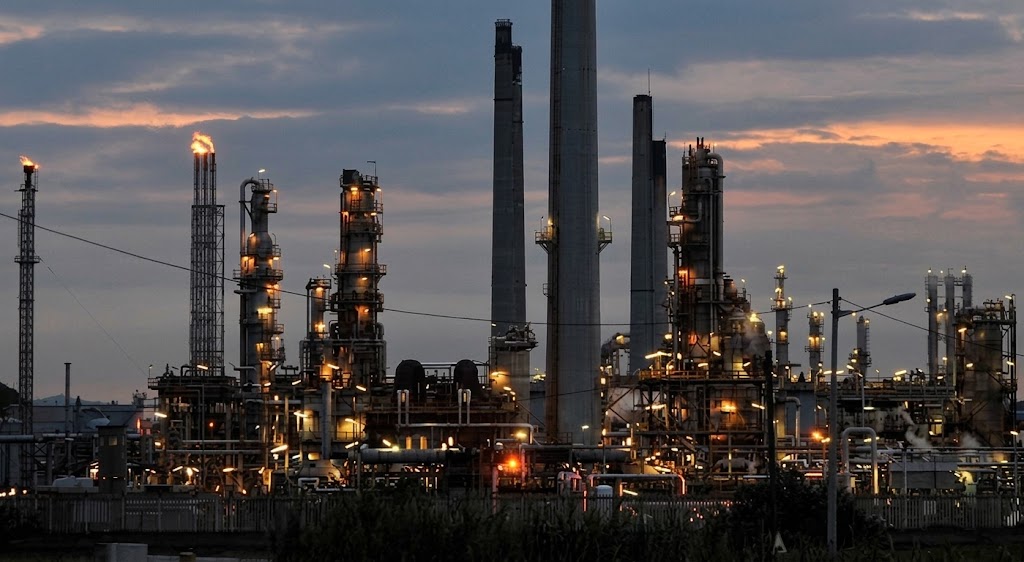
South Africa is considering an investment of more than $8 billion to bring two state-owned refineries back into operation as the country looks to strengthen domestic fuel supply and reduce its reliance on imported petroleum products.
The planned revival centres on the 180,000-barrel-per-day Sapref refinery, which was acquired by the state-owned Central Energy Fund (CEF) in 2024 from BP and Shell for a nominal 1 rand after the facility was damaged by flooding.
Rather than immediately restarting full refining operations, CEF plans to generate early revenue by restoring Sapref’s liquefied petroleum gas (LPG) import and distribution business and leasing some of the refinery’s existing storage infrastructure.
The longer-term plan is significantly more ambitious. CEF wants to transform Sapref into a much larger refinery with a potential capacity of 400,000 to 650,000 barrels per day. The project is subject to approval from South Africa’s National Treasury, with a final investment decision expected around 2027/28.
CEF estimates that the proposed Sapref redevelopment alone could require about $7.15 billion, although the funding structure has yet to be finalised. Sources familiar with the discussions said potential financing from Afreximbank and other institutions is being explored.
South Africa is also looking at restarting the Mossel Bay gas-to-liquids (GTL) refinery, which has remained largely idle since 2020 because of insufficient domestic gas supplies.
The facility, operated by PetroSA and now under the South African National Petroleum Company, is expected to return to production in stages.
The first phase is designed to restore output of around 18,000 barrels per day, requiring an estimated investment of R5.8 billion. A second phase would increase production to approximately 46,000 barrels per day, with an additional investment of about R8.5 billion.
The refinery projects form part of South Africa’s broader effort to rebuild domestic refining capacity, improve energy security and reduce the country’s exposure to international fuel markets and imports.