Nigeria is aggressively reshaping its commercial landscape through a sweeping wave of energy and infrastructure overhauls designed to cement long-term growth and repair critical public services. At the heart of this national push is a determined effort to rebuild market credibility by tackling structural bottlenecks that have slowed down domestic productivity for decades. Policymakers and industry leaders are moving past traditional planning phases and focusing squarely on execution discipline, aiming to transform one of Africa’s most vital markets into a powerhouse of private investment and sustainable economic activity.
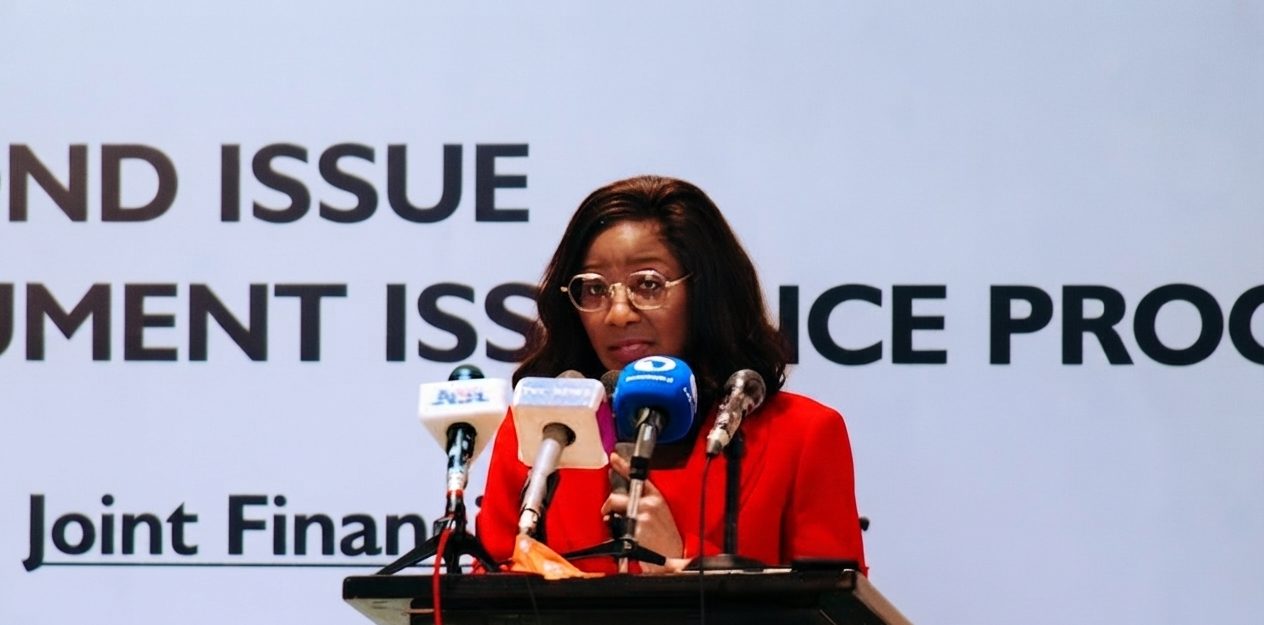
The driving force behind this renewed momentum involves aggressive debt resolution and financial restructuring across the electricity value chain. Government authorities have rolled out massive capital interventions, including a landmark four trillion naira power sector reset framework. This comprehensive program is specifically tailored to clear legacy liabilities owed to generation companies and gas suppliers while injecting vital liquidity back into the market. By addressing historical fiscal strains and honoring financial commitments through structured bond issuances, the administration is proving that public accountability can successfully unlock private capital. Market watchers note that these transparency measures are already drawing substantial interest from institutional investors who previously remained cautious about regulatory and counterparty risks.
Alongside financial restructuring, the country is accelerating major infrastructural projects intended to expand energy access and support industrial-scale operations. The ongoing development of vital domestic gas pipelines and decentralized power solutions is gradually bridging the gap between abundant natural resources and actual productivity. Commercial and industrial centers are increasingly finding reliable energy pathways through public-private partnerships and newly empowered subnational regulatory frameworks. These localized electricity markets are designed to ease severe grid constraints, giving manufacturers and corporate entities the predictable operating environment they need to expand operations and create jobs.
Beyond immediate power remedies, the broader economic strategy leverages local resource optimization and regulatory clarity to attract international and domestic players alike. Indigenous energy firms are taking on larger roles in asset ownership and project execution, ensuring that a greater share of value remains within the domestic economy. Meanwhile, targeted tax incentives and streamlined licensing procedures are encouraging fresh capital injections into deep-water exploration and refining infrastructure. As these diverse initiatives gather pace, they signal a decisive shift from mere potential to tangible economic output.
Boardroom Voices Africa Insight
The ongoing transformation in Nigeria demonstrates that sustainable economic growth relies heavily on credibility, regulatory consistency, and disciplined execution. For regional executives and international investors, aligning with these structural shifts offers a clear gateway into some of the most dynamic commercial opportunities on the continent.