The landscape of Nigeria’s energy sector is undergoing a profound transformation as the Federal Government takes a decisive step toward a more sustainable future. With the formal inauguration of the Joint Decarbonisation Working Group, commonly referred to as the JDWG, the nation is signaling that it is ready to move beyond the traditional models of oil and gas extraction. This initiative brings together a coalition of critical public institutions, including the Ministry of Petroleum Resources and the National Council on Climate Change, to create a unified front against greenhouse gas emissions. The primary objective is ambitious yet clear: to eliminate routine gas flaring by the year 2030 while simultaneously positioning Nigeria as a destination for sustainable global energy capital. By harmonizing regulatory efforts and operational standards, the government is building the infrastructure necessary to turn environmental responsibility into a core driver of industrial growth.
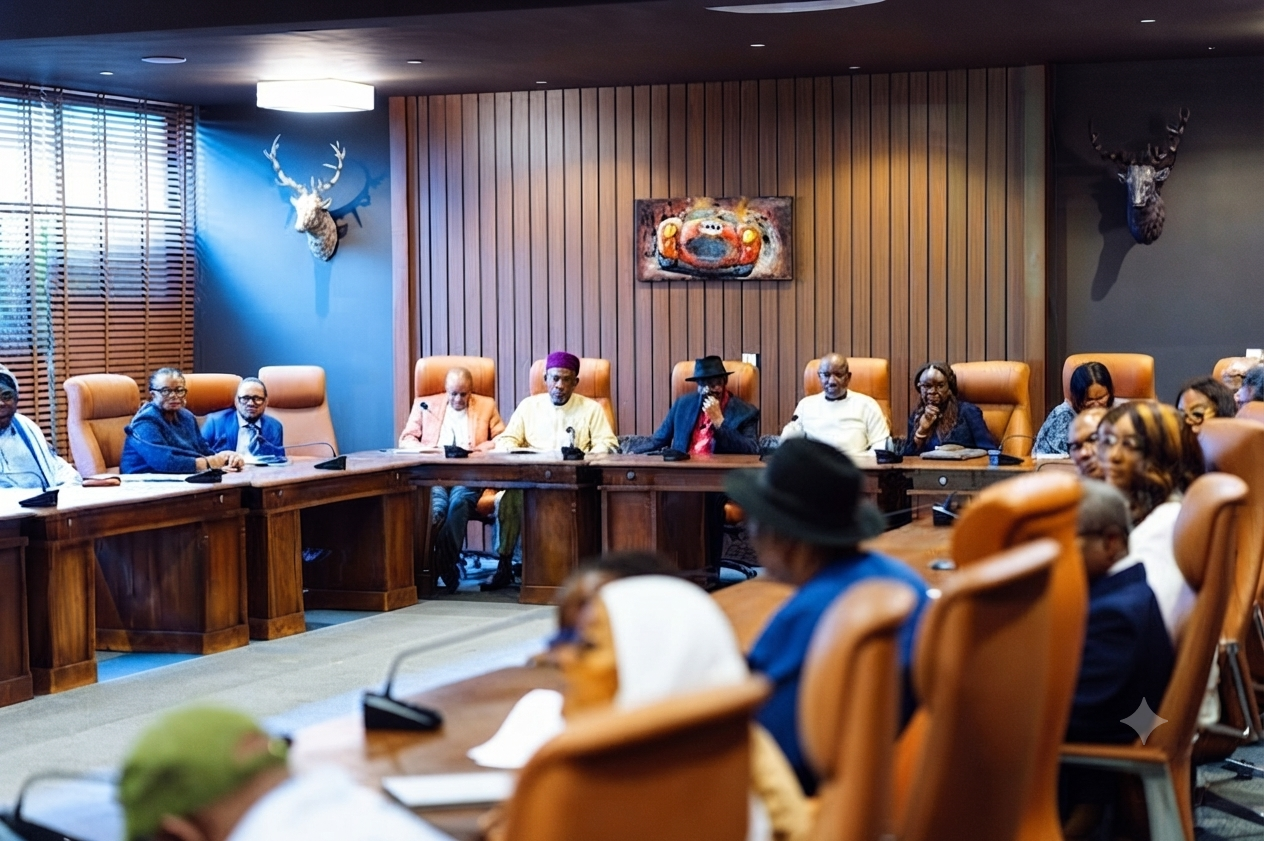
For decades, the environmental footprint of oil production has been a subject of intense debate, particularly regarding the practice of gas flaring. However, the current administration is shifting the narrative, viewing this challenge not as an insurmountable burden but as an opportunity to modernize the national energy portfolio. During the inauguration ceremony held in Abuja, the Minister of State for Petroleum Resources in charge of Gas, Ekperikpe Ekpo, articulated a vision where natural gas serves as the bridge for the transition. He emphasized that the immense gas reserves under the soil of Nigeria are meant to be harnessed for domestic industrialization, the creation of high-quality jobs, and the expansion of energy access for millions. The government is firm in its belief that climate action and economic success are no longer separate agendas; rather, the ability to produce energy cleanly has become the single most important factor for market competitiveness on the international stage.
The leadership behind this working group understands that global investors are increasingly selective. Capital now follows the path of the lowest carbon intensity, and Nigeria is determined to remain a preferred partner for responsible energy projects. Dr. Tenioye Majekodunmi, the Director General of the National Council on Climate Change, noted that the global perception of a country is now defined by the carbon efficiency of its production processes. To meet these elevated standards, the JDWG is focusing on several pillars of reform. First, the group is aggressively tackling methane reduction by adopting international standards, such as the United Kingdom-led Global Statement on Reducing Methane Emissions from Fossil Fuel Operations. Second, there is a commitment to upgrading the systems used for the measurement, monitoring, reporting, and verification of emissions across all facilities, ensuring that the data presented to the world is both accurate and transparent. Finally, the group is working to bridge the gap between local operations and the emerging national carbon market, creating a system where sovereign carbon credit projects can generate fresh revenue while supporting global climate goals. This strategic alignment ensures that the Nigerian energy sector is not merely reacting to international pressure but is proactively leading the way toward a cleaner and more efficient future.
Boardroom Voices Africa Insight
For corporate boards, financial directors, and energy executives across the continent, the establishment of the Joint Decarbonisation Working Group signals a permanent shift in how capital projects will be analyzed and funded. International lenders, sovereign wealth funds, and private equity firms are increasingly locking out fossil fuel projects that lack rigorous, verified net zero pathways. Environmental, Social, and Governance compliance is no longer a corporate reporting exercise; it is the primary gatekeeper for low-cost debt and project financing. By standardizing emissions tracking and building an active framework for carbon credits, the JDWG provides local operators with the transparent data infrastructure needed to satisfy global financiers. Furthermore, capturing fugitive methane and eliminating routine flaring is not just about compliance; it represents recovered revenue. Gas that was once burned as waste can be rerouted into domestic power generation, liquefied natural gas exports, or local industrial manufacturing. Corporate strategies that aggressively integrate flaring reduction technologies into their upstream operations will protect their margins from future carbon pricing penalties while unlocking new, high-margin product lines.