International markets are witnessing a major realignment in critical mineral supply chains as official entities and industrial giants pool their resources to secure the future of advanced manufacturing. Tokyo is taking a definitive step onto the African continent through a strategic financial commitment aimed at unlocking vital material reserves. The Japan Organization for Metals and Energy Security, alongside major trading conglomerate Toyota Tsusho, has formally confirmed a substantial funding agreement targeting a prominent resource deposit in southwestern Africa.
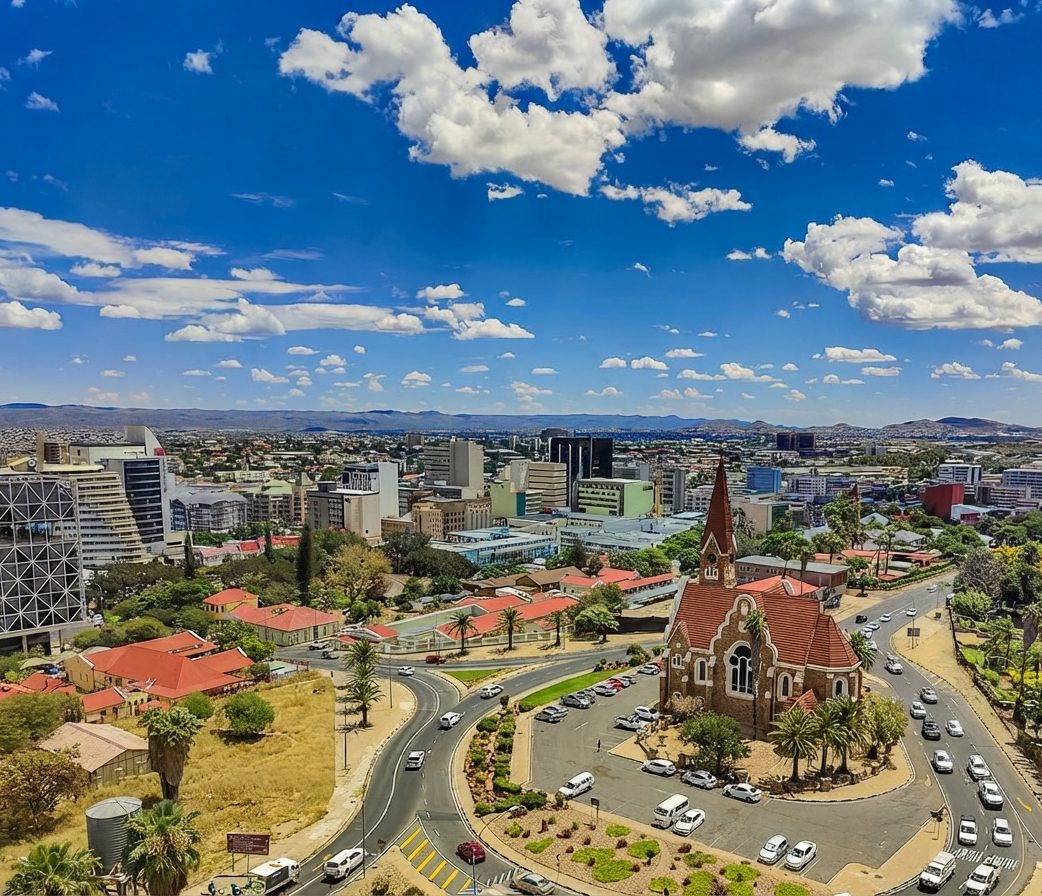
Under the terms of the new arrangement, the state-backed Japanese institution will inject up to 47.7 million Canadian dollars, which equates to roughly $34 million, into a specialized corporate vehicle managed by its industrial partner. This dedicated corporate entity, known as TJ Namibia Rare Earths, was established specifically to advance the development of the heavy rare earth resources located in the rugged landscapes of the Kunene region. Specifically anchored around the mineral-rich Lofdal area, the initiative represents a watershed moment for industrial policy in Tokyo. Industry analysts note that if the venture successfully transitions through its upcoming developmental milestones, it will stand as the very first rare earth mine established by Japan anywhere on the African continent.
The urgency driving this cross-border collaboration stems directly from tightening trade regulations and geopolitical friction over critical material security. Regulatory shifts introduced by Beijing regarding the export of heavy rare earths and advanced permanent magnets have created severe bottlenecks for international tech and automotive sectors. Because elements like dysprosium and terbium are irreplaceable components in high-performance electric vehicle motors, wind turbines, and defense electronics, Japanese industrial planners have prioritized the diversification of their resource pipelines. Securing a stable, friendly source outside dominant supply hubs has therefore transformed from a commercial preference into an absolute economic necessity.
The groundwork for this ambitious undertaking has been quietly laid over several years. The project initially took root back in 2020 through a cooperative exploration framework linking the Japanese state agency with a Canada-based exploration firm, Namibia Critical Metals. Over the ensuing years, systematic geological evaluations uncovered substantial concentrations of valuable heavy rare earth oxides within the local rock formations. The momentum accelerated dramatically earlier this year when Toyota Tsusho entered the picture through a competitive tender process, acquiring a portion of the state options to become an active commercial development partner.
With the formal capital injection now underway following the initial funding tranche transferred late last month, the joint partners are turning their full attention to the next critical phase. The newly formed corporate vehicle will oversee an exhaustive feasibility study designed to evaluate technical processing methods, infrastructure requirements, and precise economic returns. Leadership from both organizations has indicated that they intend to reach a definitive commercialization decision during the fiscal year ending in March 2027. If the upcoming evaluations yield favorable results, the project will move rapidly toward construction and commercial extraction, bringing a fresh wave of economic activity and specialized technical jobs to the local Namibian economy.
Boardroom Voices Africa Insight
The strategic marriage of state-backed risk capital and private sector operational might in Namibia highlights a broader evolution in African resource governance. For resource-rich African nations, the rise of alternative international partnerships offers a powerful mechanism to bypass traditional dependency models. By welcoming targeted investments from economies seeking supply chain security, nations like Namibia are positioning themselves not merely as raw exporters, but as indispensable partners in the global energy transition. This venture demonstrates that Africa’s mineral wealth will play a foundational role in shaping future technological superpowers, provided local regulatory frameworks continue to foster transparent and mutually beneficial foreign direct investment.