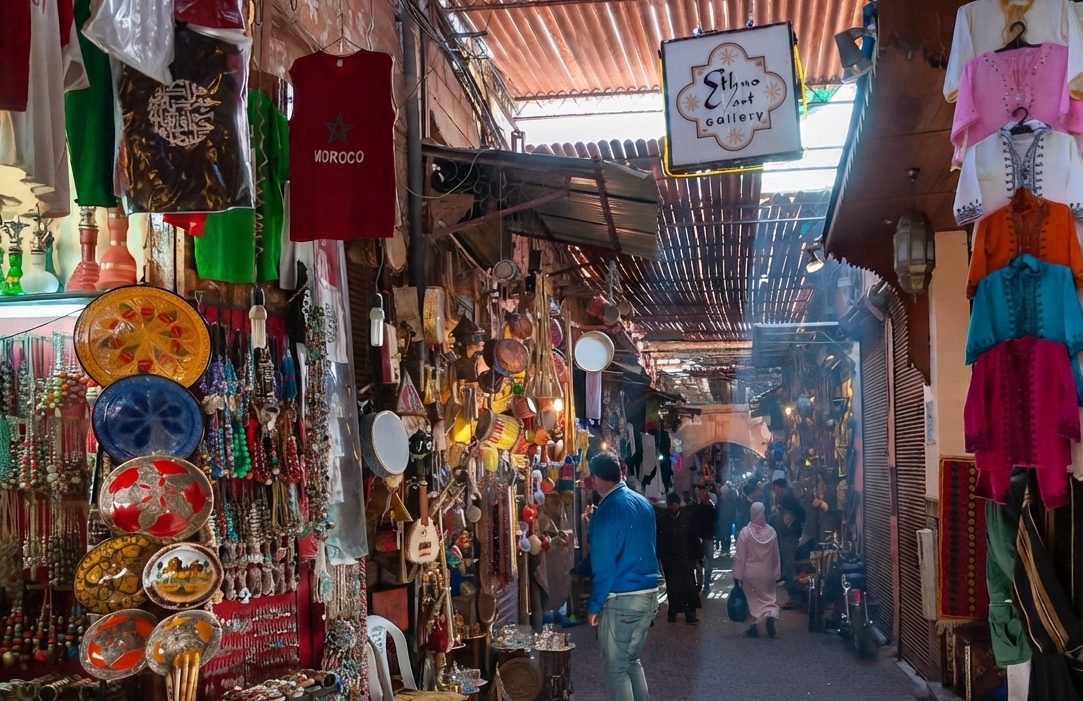
The North African economic landscape continues to draw international attention as development partners map out the region’s financial trajectory. Following a period of remarkable expansion that saw the kingdom achieve its strongest economic performance in a decade, new evaluations suggest a shifting gear for the national market. Morocco’s economic growth is expected to slow to 4.2% in 2026, the World Bank says, pointing toward a normalization phase after a heavy surge driven by infrastructure development and agricultural recovery.
Recent data highlights that the kingdom expanded at an impressive estimated rate of 4.9 percent in the preceding year. This robust momentum was largely catalyzed by massive capital outlays linked to upcoming global sporting events, notably preparations for the 2030 FIFA World Cup, alongside a welcome bounce in agricultural output following years of climate-related pressures. Furthermore, the government managed to steer its public finances with notable discipline, successfully narrowing the national budget deficit while securing upgrades to investment-grade status from major international rating agencies.
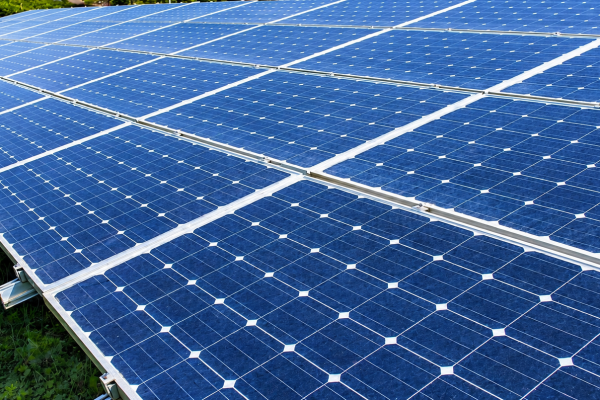
Even with the anticipated moderation down to 4.2 percent, economic authorities emphasize that the underlying foundations remain remarkably steady. Domestic demand continues to hold firm, and inflation has cooled significantly compared to the turbulent price hikes witnessed in prior seasons, offering vital relief to both households and commercial enterprises. Strategic investments in transport, green energy, and construction are expected to keep the internal market dynamic well through the remainder of the decade.
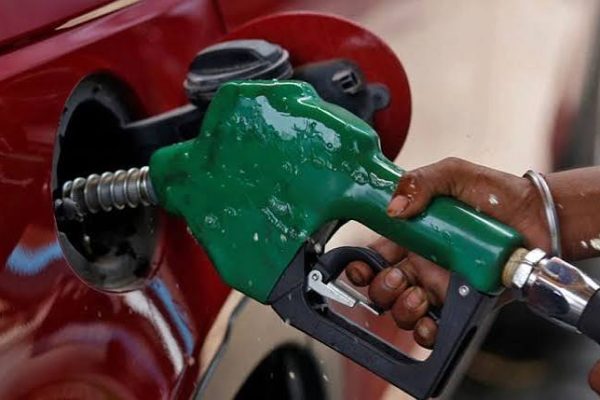
However, international financial analysts caution that the path forward is not entirely devoid of friction. External headwinds, particularly ongoing geopolitical tensions across the Middle East, continue to cast a shadow over global shipping lanes and energy markets. These international disruptions have created cost pressures on fuel imports and freight rates, which experts estimate shave a fraction of a percentage point off the nation’s optimal growth potential. Additionally, the economy remains closely tied to the economic health of its primary European trading partners, meaning that sluggish recovery metrics abroad could influence local export performance.
Domestically, structural hurdles require sustained attention from policymakers. While macro indicators shine, the domestic labor market continues to experience high levels of inactivity and unemployment, particularly among younger demographics and women. Climate vulnerabilities, manifested through recurring droughts, also present long-term challenges for agrarian communities. To counter these vulnerabilities, the government is currently rolling out targeted employment frameworks aimed at bolstering small and medium enterprises, enhancing vocational training, and aligning educational output with private sector demands.
Experts note that unlocking the next tier of national productivity will rely heavily on technological adoption and business digitization. Deepening the integration of advanced tools across commercial enterprises holds the promise of substantial efficiency gains, positioning the kingdom to capture higher value within global supply chains. As public investment transitions gradually toward private consumption and enterprise-led dynamism, the regional market is cementing its role as a resilient hub for trade and investment in North Africa.
Boardroom Voices Africa Insight
For corporate leaders and strategic investors operating across the continent, Morocco’s trajectory offers a masterclass in balancing aggressive public infrastructure spending with fiscal consolidation. While a headline growth figure of 4.2 percent signals a technical slowdown, it actually represents a maturation of the economy into a steadier, more sustainable rhythm. Business executives should look beyond the headline dip and focus on the deep structural transitions underway, particularly the national push toward digital transformation and regional trade integration. Companies that align their operational strategies with the kingdom’s green initiatives, digital upgrades, and human capital development frameworks will find fertile ground for long-term, high-yield expansion in a competitive Mediterranean market.