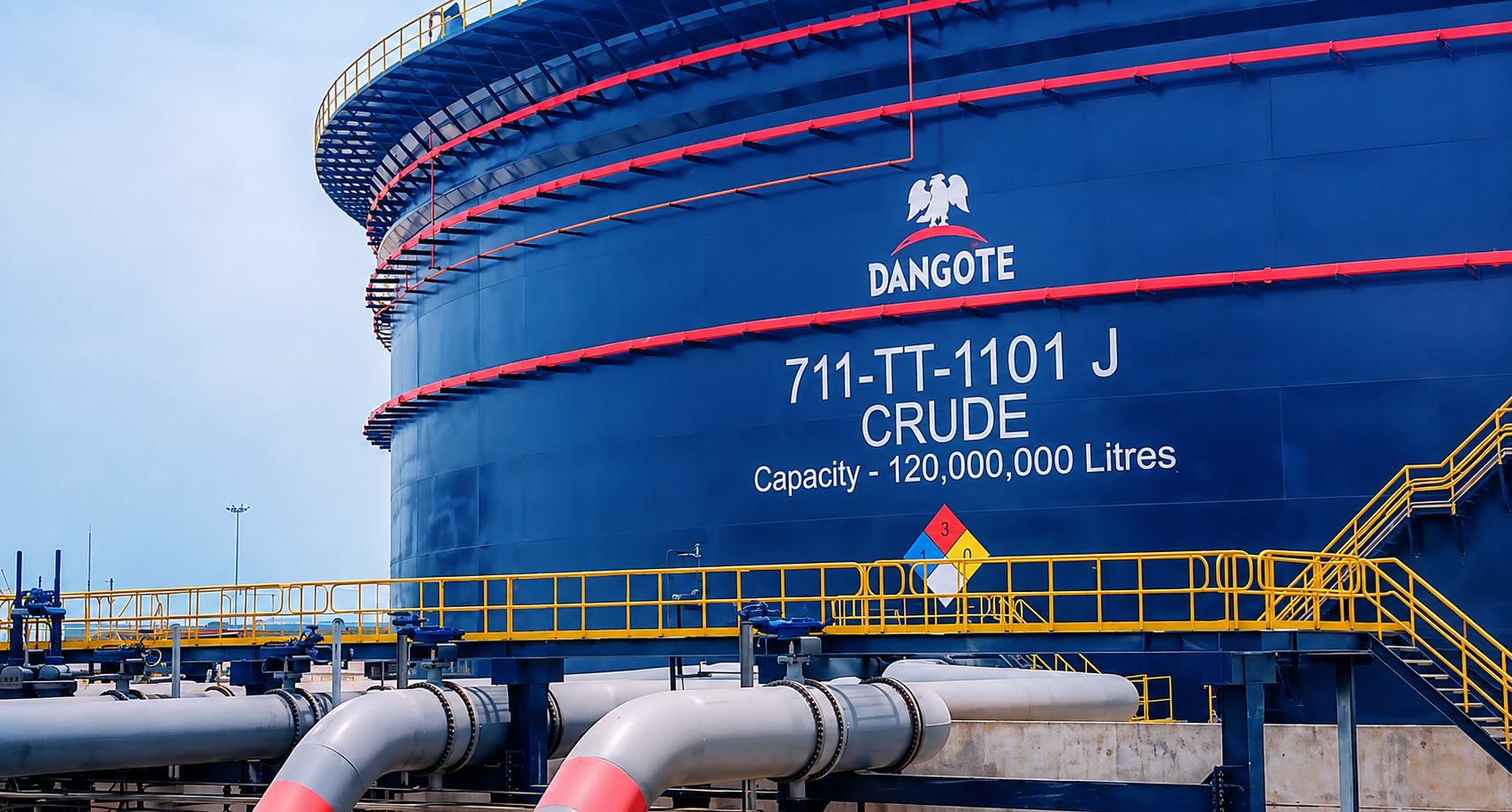
Nigeria’s Largest Refinery Intensifies Competition as Consumers and Businesses Anticipate Lower Fuel Costs
Africa’s largest oil refinery, the Dangote Refinery, has announced another reduction in the price of Premium Motor Spirit (PMS), commonly known as petrol, while indicating that further price cuts could follow if market conditions remain favourable.
The latest adjustment reinforces the refinery’s growing influence on Nigeria’s downstream petroleum market and signals a new era of competition that could reshape fuel pricing, energy security, and industrial growth across the country.
For consumers, transport operators, manufacturers, and businesses, the move offers renewed hope that lower fuel prices could ease operating costs and help reduce inflationary pressures.
A New Chapter for Nigeria’s Fuel Market
Since commencing commercial operations, Dangote Refinery has steadily increased its production capacity and expanded the supply of refined petroleum products into the domestic market.
The refinery’s latest price reduction reflects improved operational efficiency, increased local refining capacity, and changing market dynamics.
Unlike previous years when Nigeria relied heavily on imported fuel, domestic refining is gradually reducing dependence on imports, helping stabilize supply and potentially lowering costs for businesses and households.
Industry analysts believe that greater competition among fuel suppliers could lead to more competitive pricing and improved market efficiency.
What Is Driving the Price Reduction?
Several factors are contributing to the latest petrol price adjustment:
- Increased refinery output and operational efficiency.
- Improved availability of crude oil for refining.
- Competitive market pricing.
- Reduced logistics and import related costs through local refining.
- Strategic efforts to expand market share.
Dangote Refinery has also suggested that additional price reductions may be possible if global crude oil prices remain stable and operational conditions continue to improve.
While retail pump prices are also influenced by exchange rates, taxes, distribution costs, and market forces, the refinery’s pricing decisions are expected to have a significant impact on the broader fuel market.
Relief for Businesses and Consumers
Fuel remains one of the largest operating expenses for many Nigerian businesses.
Lower petrol prices could provide much needed relief for:
- Manufacturers facing high production costs.
- Logistics and transportation companies.
- Small