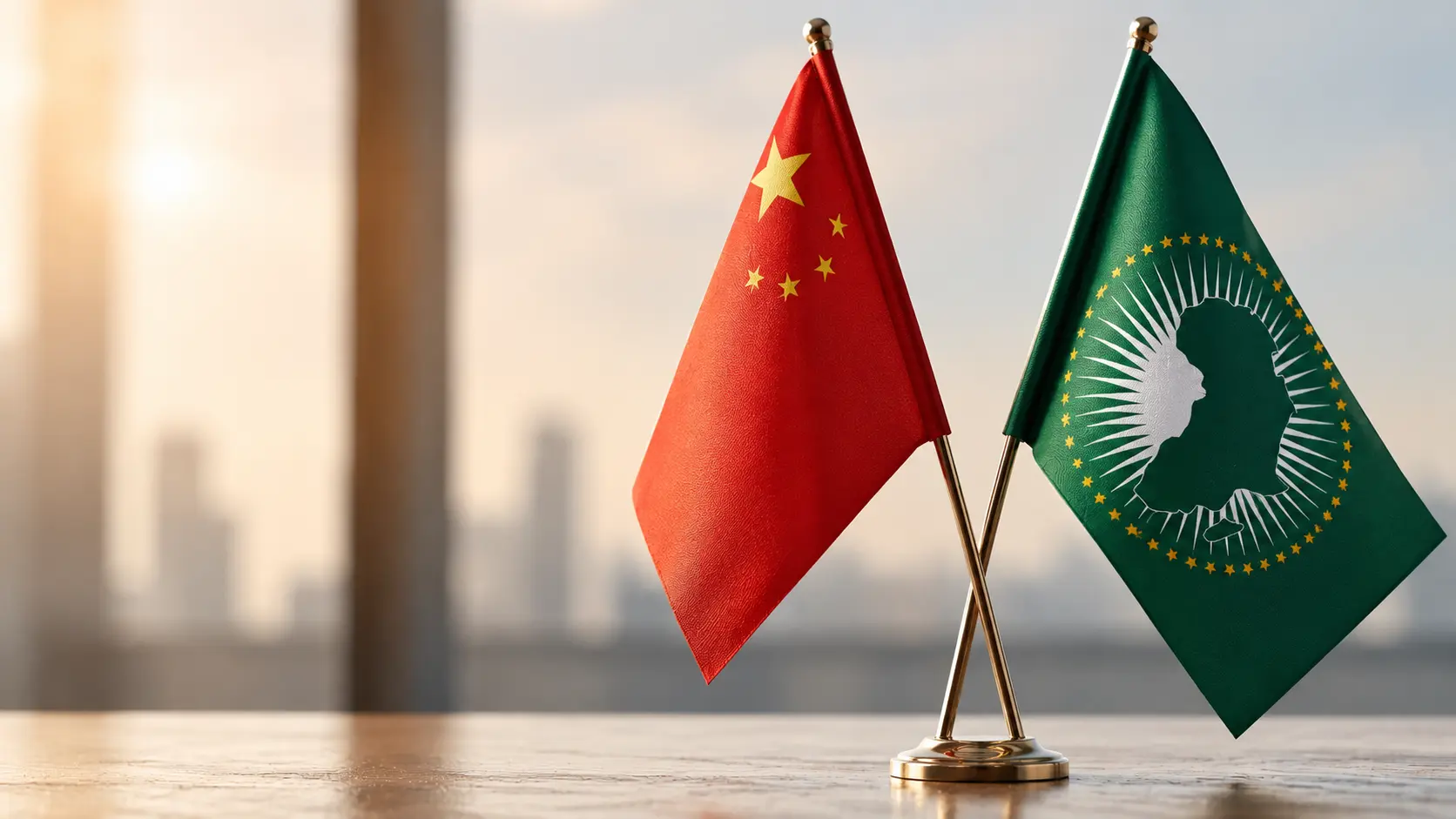
New Yuan Payment Network Signals a Strategic Shift in Africa China Trade Relations
Africa’s trade relationship with China is entering a new chapter following the approval of a Renminbi (RMB) clearing arrangement that will allow businesses in 19 African countries to settle cross border transactions directly in Chinese yuan.
The initiative, facilitated through Standard Bank in partnership with the Industrial and Commercial Bank of China (ICBC), is expected to simplify trade between African businesses and Chinese suppliers by reducing reliance on the U.S. dollar for international payments.
For importers, exporters, manufacturers, and financial institutions across the continent, the move represents more than a payment upgrade it reflects the changing dynamics of global trade and the growing importance of Africa in China’s long-term economic strategy.
What Is an RMB Clearing System?
Traditionally, many African businesses importing goods from China have relied on the U.S. dollar as the intermediary currency. This often means multiple currency conversions, higher banking fees, longer settlement times, and exposure to exchange rate volatility.
The new RMB clearing system enables eligible businesses to settle payments directly in Chinese yuan, eliminating several intermediary steps in the payment process.
This is expected to:
- Reduce transaction and foreign exchange costs.
- Speed up international payments and settlements.
- Improve cash flow for importers and exporters.
- Strengthen financial connectivity between African and Chinese markets.
For businesses that trade regularly with China, these efficiencies could translate into significant operational savings.
Why China Is Strengthening Financial Ties with Africa
China has remained Africa’s largest trading partner for more than a decade, with bilateral trade spanning infrastructure, manufacturing, mining, agriculture, telecommunications, and consumer goods.
As trade volumes continue to grow, both sides are seeking faster and more efficient payment systems that better reflect the scale of their economic relationship.
The RMB clearing arrangement also aligns with China’s broader strategy to increase the international use of its currency in global commerce.
Expanding yuan-based settlements allows Chinese companies and financial institutions to reduce dependence on the U.S. dollar while strengthening the global role of the RMB.
What It Means for African Businesses
For African companies importing machinery, electronics, industrial equipment, pharmaceuticals, and raw materials from China, direct yuan settlement could improve operational efficiency and lower costs.
Exporters selling agricultural products, minerals, and manufactured goods into the Chinese market may also benefit from faster settlement and reduced foreign exchange risks.
Banks operating across Africa could see increased demand for yuan-denominated financial services, trade finance, and cross-border payment solutions as commercial activity expands.
The arrangement could also encourage greater investment flows between African and Chinese businesses by simplifying financial transactions.
A Changing Global Payments Landscape
The development reflects a broader global trend toward currency diversification.
While the U.S. dollar remains the world’s dominant reserve and trading currency, more countries are exploring alternative payment arrangements to improve resilience and reduce exposure to exchange rate fluctuations.
For Africa, expanding payment options provides greater flexibility in international trade while supporting deeper integration into global financial markets.
Rather than replacing the dollar, the move offers businesses an additional settlement option that may prove more efficient for transactions involving China.
Opportunities Under AFCFTA
The African Continental Free Trade Area (AFCFTA) aims to strengthen regional trade while improving Africa’s position in global supply chains.
Improved payment infrastructure complements this vision by making international commerce more efficient and reducing barriers to cross border business.
As African manufacturers expand production and regional exports increase, access to faster and more cost effective payment systems will become increasingly important.
The RMB clearing arrangement could help businesses become more competitive by lowering transaction costs and improving access to one of Africa’s largest trading partners.
Boardroom Voices Africa Insight
The introduction of an RMB clearing system is more than a banking innovation it is a strategic signal of how global trade is evolving.
As Africa strengthens its commercial ties with China, financial infrastructure will play an increasingly important role in supporting investment, industrialization, and economic growth.
For business leaders, the lesson is clear: understanding changes in global payment systems is becoming just as important as understanding changes in global markets.
Companies that adapt to new trade mechanisms, diversify their financial strategies, and embrace modern payment infrastructure will be better positioned to compete in an increasingly interconnected global economy.
As Africa’s trade footprint expands, the ability to transact faster, cheaper, and more efficiently may become one of the continent’s greatest competitive advantages.