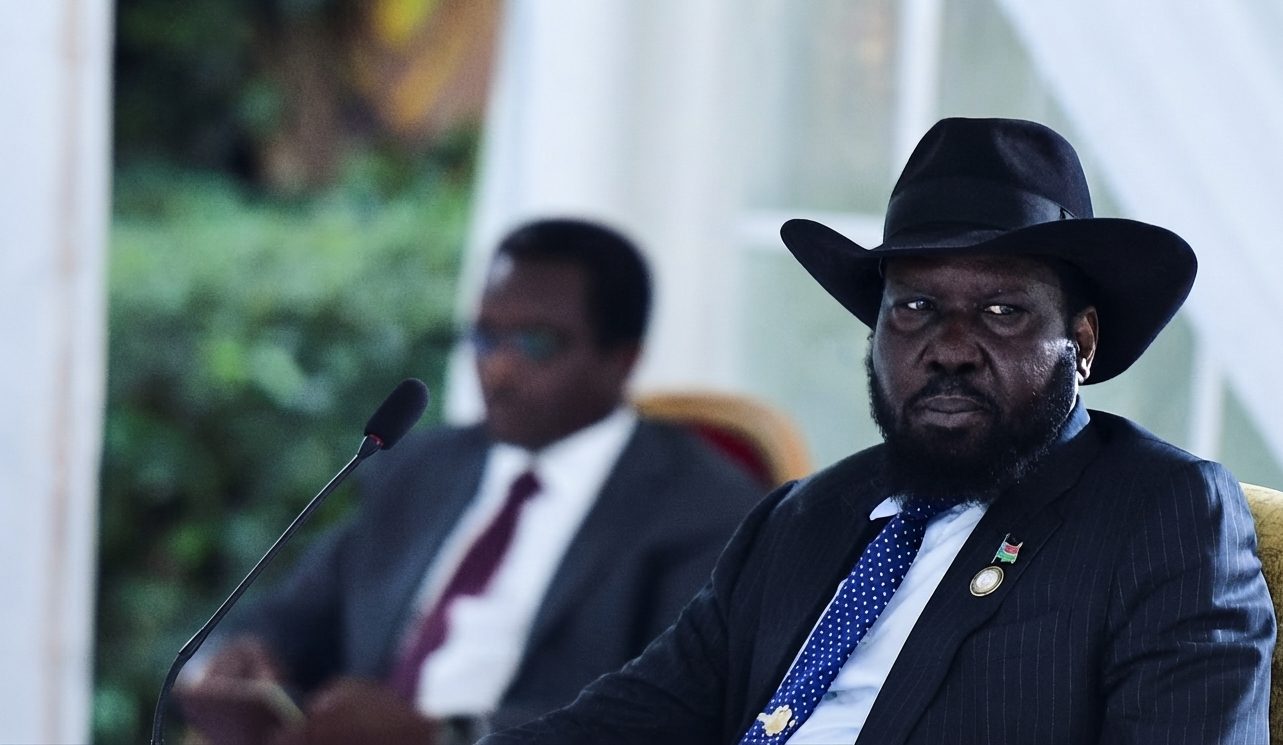
Economic uncertainty deepened across the world’s youngest nation as leadership at the Bank of South Sudan underwent yet another abrupt transformation. In an official decree broadcast across state television networks, President Salva Kiir announced the immediate dismissal of central bank governor Yeni Samuel Costa. The high-level administrative shakeup places veteran economist Johnny Ohisa Damian back at the helm of the monetary authority, marking his third separate appointment to the vital office since 2022.
The presidential announcement, which materialized late in the evening without formal justification, underscores the relentless administrative volatility plaguing Juba as authorities battle severe macroeconomic hurdles. Yeni Samuel Costa, who originally assumed the governorship on November 12 of last year, completed a tenure lasting slightly longer than two months. This brief period stands as the shortest term served by any head of the central bank since the nation secured its independence in 2011.
Costa walked into office during a period of immense fiscal stress, characterized by rapid currency devaluation and stubbornly high inflation rates. Market observers noted that the escalating cost of living and scarcity of foreign exchange reserves placed immense pressure on his administration. Despite initial expectations that fresh leadership might steady the financial sector, the rapid deterioration of local purchasing power seemingly exhausted executive patience.
The return of Johnny Ohisa Damian brings a familiar face back to a position he knows intimately. Ohisa, a native of Eastern Equatoria State, previously managed the institution before his removal approximately seven months before this latest appointment. Recognized widely as a seasoned banker and public finance expert, his career includes critical operational roles within the Ministry of Finance and Economic Planning. During his previous tenures, he engaged extensively with international financial bodies and worked closely on revenue administration and fiscal policy frameworks.
Financial analysts across the East African region point out that this latest intervention highlights a recurring pattern within Juba governance structures. Rather than addressing structural deficits rooted in heavy reliance on petroleum revenues and recurrent internal conflicts, executive leadership frequently utilizes high-profile dismissals as a primary mechanism to address macroeconomic stress. The Bank of South Sudan carries the immense mandate of formulating monetary policy, regulating commercial banking operations, and protecting overall monetary stability, tasks made extraordinarily difficult amid ongoing political and security frictions.
Business leaders and commercial entities operating within the country have expressed growing weariness regarding the constant turnover at the top of key financial institutions. Frequent transitions at the central bank disrupt long-term strategic planning, complicate foreign investor confidence, and delay critical structural reforms required to diversify the national economy. As Ohisa steps back into the executive suite, he faces the formidable challenge of restoring institutional continuity while managing a depleted treasury and a depreciating local currency under intense public scrutiny.
Boardroom Voices Africa Insight
Frequent leadership changes at the apex bank signal deep underlying structural vulnerabilities rather than mere administrative mismatches. For businesses operating in high-risk environments, regulatory unpredictability remains a primary operational hazard. True monetary stability in South Sudan will require shielding financial institutions from political volatility, rebuilding foreign reserves through economic diversification, and establishing transparent policy frameworks that can weather broader fiscal shocks.