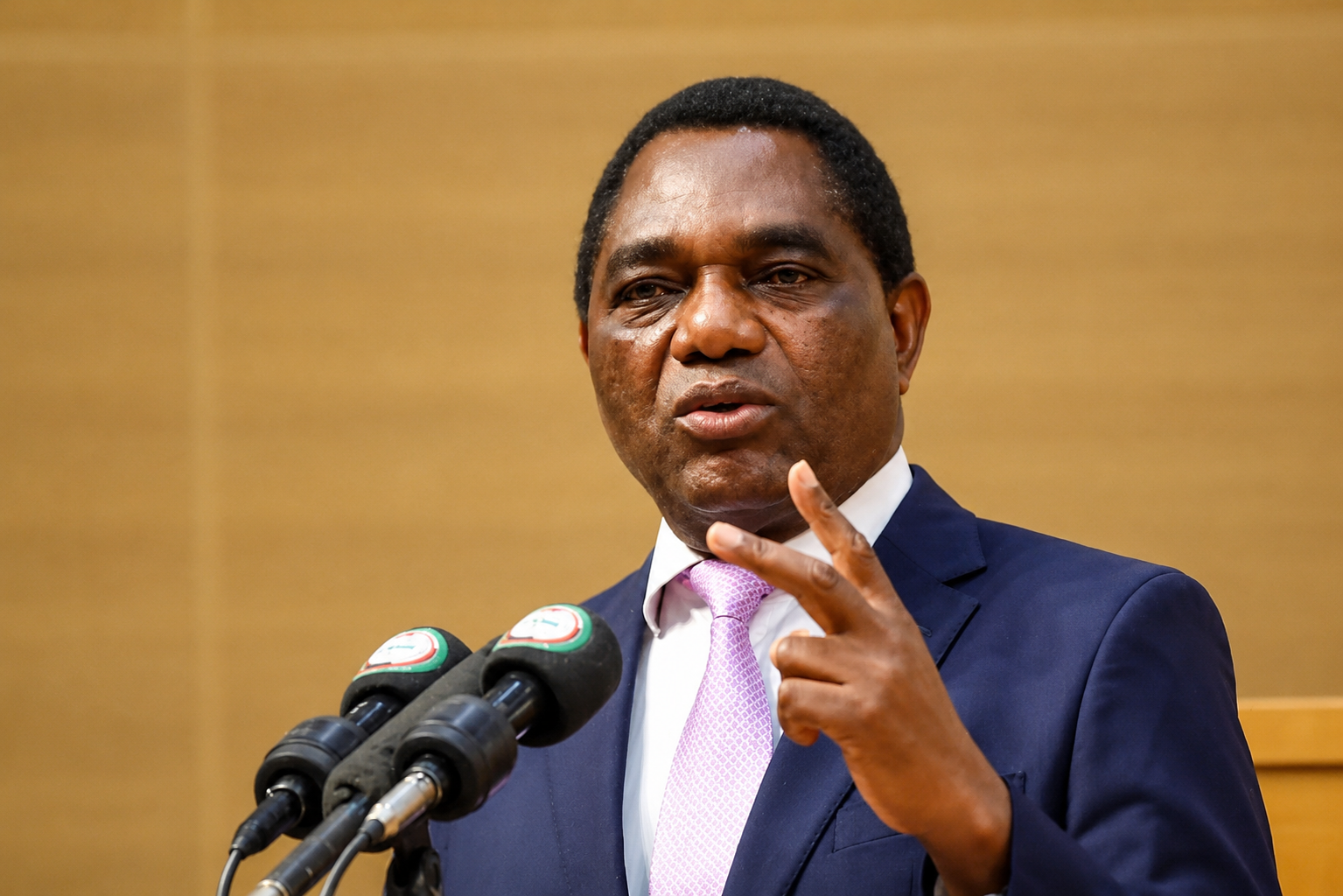
After a hard-fought political victory securing a second term with roughly 60% of the vote, Zambian President Hakainde Hichilema is shifting his administrative focus toward a much larger structural challenge. Having steered the southern African nation through a historic default and extensive debt-restructuring agreements since taking office in 2021, the administration is now pivoting to translate fiscal stabilization into tangible macroeconomic expansion. The strategy relies heavily on revitalizing key industries, attracting international investment, and expanding domestic economic opportunities to improve household livelihoods nationwide.
The road to this economic pivot required navigating a severe financial crisis that began when the country defaulted on its sovereign debt obligations during the global pandemic. By successfully engaging international creditors, multilateral lenders, and major bilateral partners, Hichilema managed to restore institutional credibility and repair vital relationships with global financial organizations. These efforts created the necessary fiscal breathing room to look past immediate emergency management and target longer-term developmental milestones.
Central to the push for broader economic expansion is the resuscitation of Zambia’s vital mining sector, which serves as the traditional backbone of national export revenues and foreign exchange earnings. The administration is working to optimize regulatory frameworks and bolster copper output to capitalize on favorable global commodity markets. Officials argue that strengthening industrial production will generate the necessary cascading revenues to fund infrastructure projects and stimulate domestic commercial activity.
Beyond heavy industry, the administration has paired its macroeconomic reforms with targeted social investments aimed at building human capital. Measures such as introducing free secondary education have successfully brought millions of children back into formal classrooms, while expanded social protection programs seek to cushion vulnerable populations against lingering cost-of-living pressures. Economists note that balancing large-scale fiscal discipline with inclusive social spending remains a delicate tightrope walk for the executive branch.
As Hichilema begins his second mandate, the ultimate measure of success will depend on whether sovereign debt relief can successfully translate into broad-based private sector growth and job creation. While international investors have responded favorably to ongoing structural reforms, domestic stakeholders continue to watch closely for relief from everyday economic hardships. The upcoming phase will test the administration’s capacity to deliver sustainable prosperity for ordinary citizens following years of austerity.
Boardroom Voices Africa Insight
Zambia represents a critical case study for emerging market debt resolution across the continent. Hichilema’s administration proves that securing complex international debt relief is only the preliminary hurdle; the true test for corporate leaders and policymakers lies in leveraging repaired sovereign balance sheets to attract foreign direct investment and stimulate local enterprise. For regional executives, Zambia’s trajectory highlights both the opportunities and the immense execution risks inherent in post-default economic transformations.