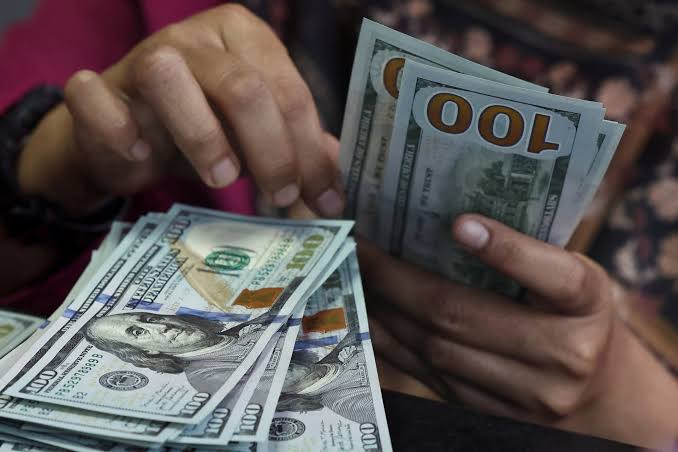
Uganda’s foreign exchange reserves climbed 56% to $6.7 billion in the year to June, strengthening the country’s external financial position as the central bank moves to diversify its holdings through increased gold purchases.
The Bank of Uganda reported that reserves rose from $4.3 billion in the previous 12-month period, describing the gains as a boost to confidence in the country’s macroeconomic stability and resilience to external shocks.
The central bank also plans to increase gold purchases during the 2026/27 financial year, which runs through June 2027, as part of efforts to diversify its reserve assets and reduce reliance on traditional foreign currency holdings.
Despite the significant increase, Uganda’s reserves currently cover approximately 3.7 months of projected imports, below the central bank’s target of four months.
The increase in reserves comes as Uganda’s currency, the shilling, has weakened sharply in recent weeks, falling to successive record lows against major currencies.
The stronger reserve position could provide a financial buffer against external pressures, including currency volatility and changes in international capital flows. However, higher reserves do not automatically translate into immediate currency appreciation.
The Bank of Uganda has indicated that it does not target a specific exchange rate level and does not intend to intervene simply to defend the shilling. Instead, its approach is to smooth excessive volatility in the foreign exchange market.
The planned increase in gold purchases reflects Uganda’s broader effort to diversify its foreign exchange reserves and strengthen its protection against global economic uncertainty.
Gold is often used by central banks as a reserve asset because its value can behave differently from major currencies and government bonds, although its price can also fluctuate.
For Uganda, expanding its gold holdings alongside growing foreign exchange reserves could strengthen its capacity to manage external shocks and support confidence in the economy.
The latest figures mark a substantial improvement in Uganda’s reserve position, although reaching the four-month import-cover target remains an outstanding priority as authorities balance reserve accumulation with currency-market stability.