East Africa is moving one step closer to reshaping its regional energy architecture as Ugandan energy officials lock eyes on a critical calendar milestone. Kampala is preparing to reach a formal final investment decision for its long-awaited $4 billion crude oil refinery next February. According to sector regulators, this upcoming commitment represents the pivotal gateway needed to unlock serious development on a project that has spent years navigating false starts, shifting partnerships, and complex global financing hurdles.
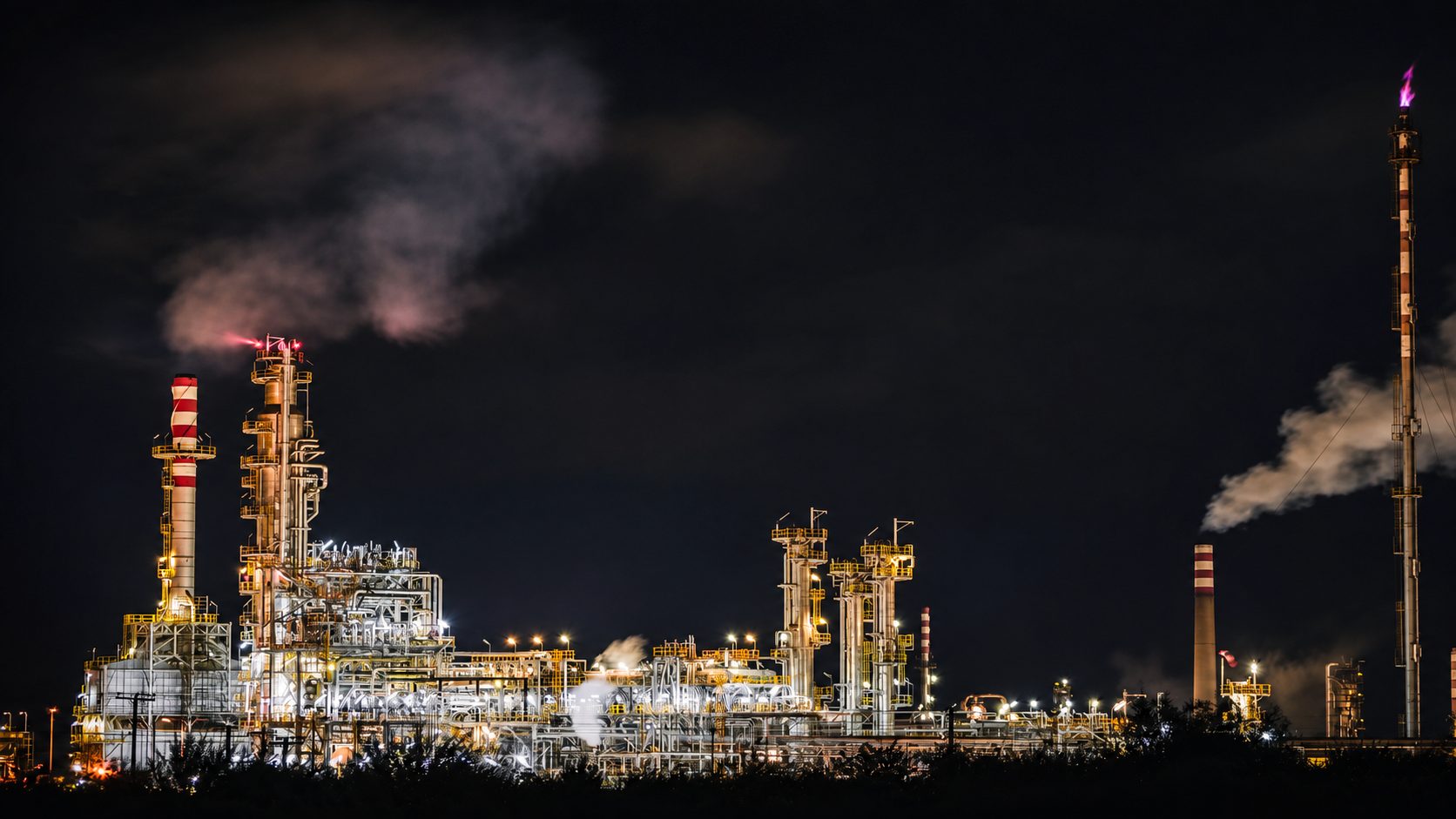
The planned facility, designed to process 60,000 barrels of crude oil per day, sits at the heart of the national strategy to transform Uganda from a pure resource exporter into an industrial powerhouse. For a landlocked nation that has historically relied on external supply routes and weathered volatile imported fuel price shocks, the financial commitment slated for next February is more than just a bureaucratic milestone. It is viewed by policymakers as an essential anchor to safeguard national energy security and dramatically cut down an annual fuel import bill that hovers near $2 billion.
The momentum behind the upcoming February target follows months of intensive commercial restructuring. After previous consortium agreements dissolved when former backers failed to hit financial close deadlines, the government pivoted decisively. The state-owned Uganda National Oil Company forged a strategic alliance with Alpha MBM Investments LLC, a prominent Dubai-based firm backed by members of the United Arab Emirates ruling family. Under the framework of this partnership, the incoming investor is structured to hold a controlling 60 percent equity stake in the venture, while the state entity retains the remaining 40 percent. This balance of private foreign capital and state participation has breathed fresh life into a timeline that many market watchers had previously written off as overly ambitious.
Industry analysts point out that the ripple effects of reaching this upcoming milestone will stretch far beyond domestic borders. Uganda is actively positioning itself to supply refined petroleum products to neighboring landlocked economies, including South Sudan, Rwanda, Burundi, and the eastern regions of the Democratic Republic of Congo. Currently, these territories depend heavily on long trucking routes and maritime imports flowing through coastal ports in Kenya and Tanzania. By establishing a domestic refining hub in the Albertine Graben close to the primary oil fields, Kampala aims to shorten supply chains, slash transport overheads, and secure a captive regional market.
Yet, as the February target approaches, executive suites and financial advisors remain watchful of the execution risks that typically accompany mega projects in emerging markets. Constructing a heavy industrial refining complex requires intricate coordination across upstream extraction fields, midstream pipeline networks, and downstream storage terminals. Furthermore, global capital markets continue to navigate a shifting landscape where traditional fossil fuel financing faces mounting scrutiny from international lenders. Despite these headwinds, Ugandan authorities remain firm that the partnership framework with their Middle Eastern backers is robust enough to navigate the remaining hurdles.
The decision due next February will serve as a definitive litmus test for East Africa’s broader industrial ambitions. If the partners successfully lock in funding and give the green light, construction could rapidly accelerate physical groundwork in the Hoima district. Beyond fuel production, government officials project that the refinery will catalyze a cascade of secondary industries, spawning local opportunities in petrochemical manufacturing, fertilizer production, and specialized logistics services. For an administration eager to retain more domestic value from its natural endowments, the stakes could hardly be higher as the clock ticks toward February.
Boardroom Voices Africa Insight
The push toward a February final investment decision highlights a broader strategic pivot across East Africa where resource-rich nations are increasingly turning away from traditional Western financing models and toward Middle Eastern capital to bypass execution gridlock. For corporate leaders and investors, this shift signals that regional infrastructure projects are entering a more pragmatic execution phase, though success will ultimately depend on navigating complex local content regulations and long-term debt sustainability.