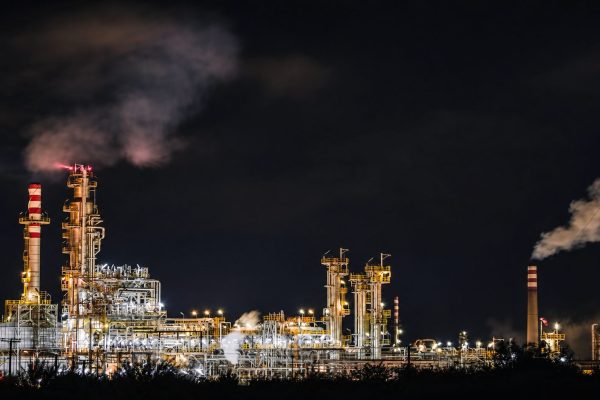
Tunisia is facing an escalating commercial emergency as severe nationwide electricity blackouts and water shortages paralyze local enterprises, disrupt supply chains, and threaten foreign investment. A brutal summer heatwave has driven national power consumption to a record-breaking 6,000 megawatts, forcing the state utility STEG to enforce rolling blackouts lasting up to 20 hours daily. For a corporate landscape already struggling under heavy macroeconomic strain, the infrastructure collapse has transformed operational survival into an unprecedented challenge.
The commercial fallout is rippling heavily through critical sectors. Food processing plants, agricultural producers, dairy networks, and manufacturing facilities report severe financial losses as unannounced power cuts spoil inventory and stall assembly lines. Small retailers and hospitality businesses face devastating drops in foot traffic and revenue, while private healthcare providers and commercial real estate operators struggle to maintain costly backup diesel generation amid soaring fuel prices.
At the macroeconomic level, the crisis exposes deep structural vulnerabilities in public spending and energy policy. Economists note that chronic underinvestment in power generation, combined with constrained state foreign exchange reserves, has severely limited crucial natural gas imports from neighboring Algeria. This liquidity squeeze leaves the government with little capacity to upgrade aging grids or subsidize emergency energy procurement, exposing the limits of state-led economic management.
President Kais Saied has attributed the grid failures to unusual occurrences and external sabotage, threatening severe penalties for officials deemed negligent. However, private sector executives and financial analysts reject these official explanations, viewing the blackouts as the predictable outcome of delayed structural reforms, fiscal mismanagement, and administrative paralysis. Business associations warn that the government’s heavy-handed regulatory approach and reluctance to engage in transparent market reforms are accelerating capital flight.
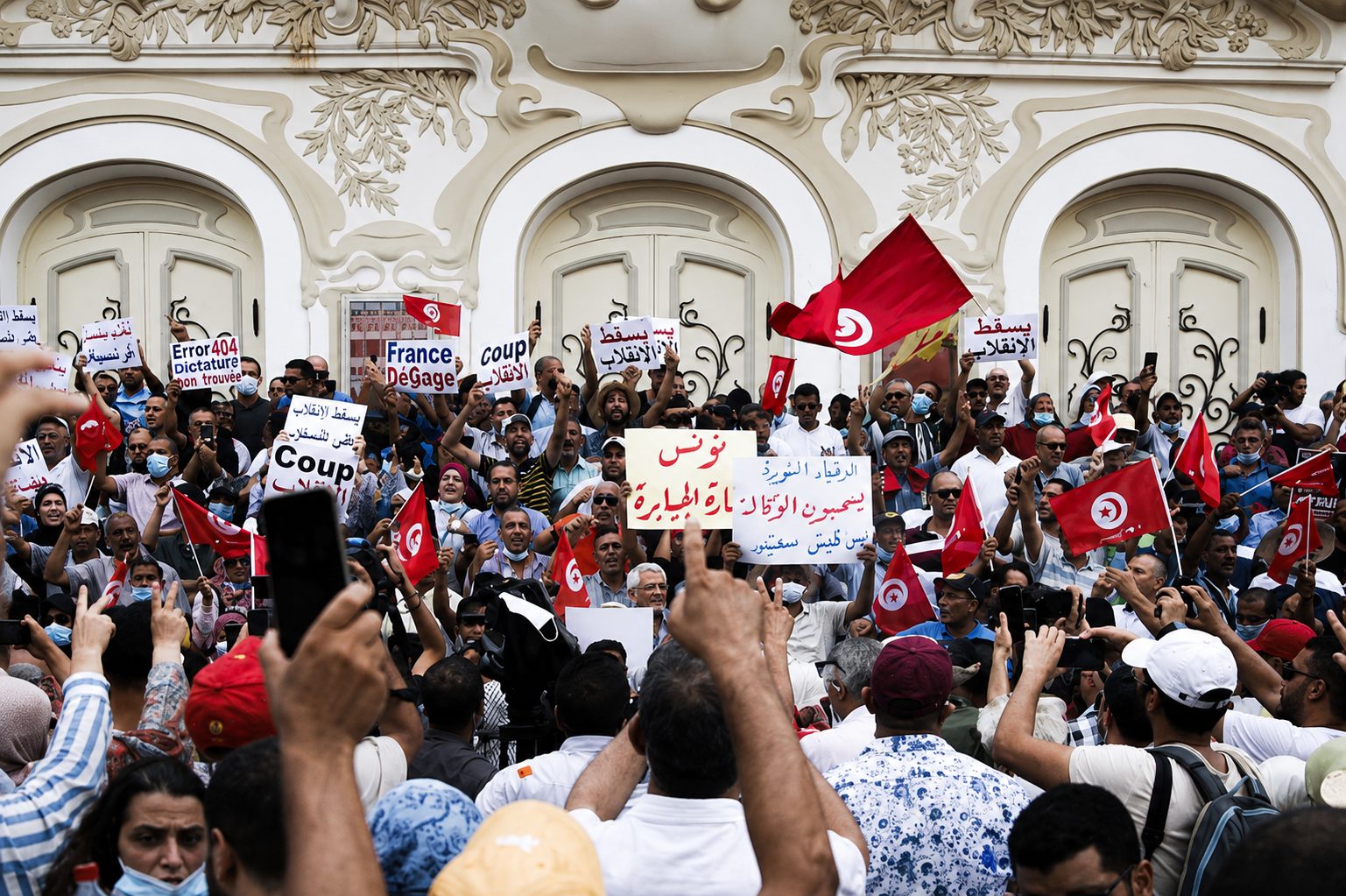
The deteriorating economic environment is further compounded by rising political volatility. Renewed street protests and labor unrest in commercial hubs like Sousse, Monastir, and Nabeul have heightened security risks for enterprises operating in the region. For international investors, the erosion of predictable governance, combined with acute infrastructure decay, significantly elevates sovereign risk profiles and dampens foreign direct investment prospects.
As fiscal pressures mount and the trade deficit widens, the administration faces an urgent imperative to restore grid reliability and engage in serious structural restructuring. Without decisive policy interventions to stabilize the energy sector and restore business confidence, the ongoing utility crisis threatens to trigger a broader corporate contraction across North Africa.
Boardroom Voices Africa Insight
The Tunisian energy crisis underscores a vital lesson for corporate strategists regarding systemic risk in emerging markets. When public infrastructure fails under the weight of climate extremes and fiscal mismanagement, enterprise value is directly compromised through operational downtime, supply chain fragmentation, and rising security costs. For African businesses, integrating robust infrastructure contingencies and rigorous sovereign risk assessments into long-term capital allocation strategies is now essential for protecting bottom lines and ensuring operational continuity.