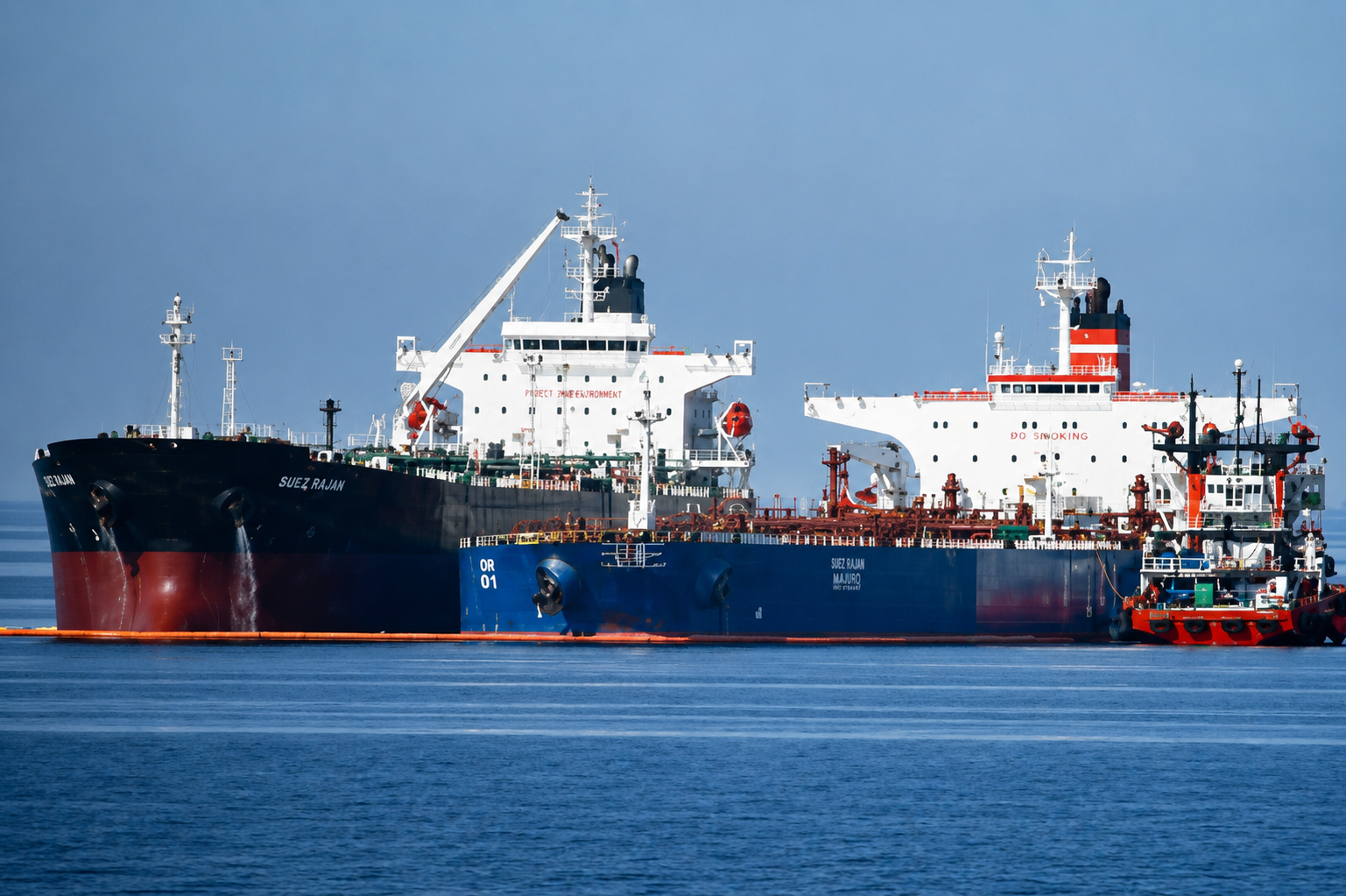
Fresh Sanctions and Strait of Hormuz Tensions Renew Pressure on Global Oil Markets
The United States has reinstated sanctions on Iranian oil sales following attacks on commercial LNG and oil tankers in and around the Strait of Hormuz, one of the world’s most critical energy shipping routes. Washington said the move was a response to what it described as unacceptable attacks on international shipping, revoking a temporary waiver that had allowed limited Iranian oil exports under a recent diplomatic arrangement.
The renewed sanctions have already pushed global oil prices higher, with investors growing increasingly concerned that further instability in the Gulf could disrupt global energy supplies and international trade.
For Africa, where many economies depend on oil exports or fuel imports, the development could have significant implications for energy costs, inflation, government revenues, and business confidence.
Why the Sanctions Matter
The U.S. decision follows reported attacks on multiple commercial vessels transiting the Strait of Hormuz, through which roughly 20% of the world’s oil and LNG shipments typically pass. The U.S. shortened the previous sanctions waiver, signaling a tougher stance while warning that attacks on commercial shipping would have consequences.
The renewed sanctions could:
- Reduce Iranian oil exports.
- Tighten global crude supply.
- Increase oil price volatility.
- Raise transportation and shipping costs.
- Increase uncertainty in global energy markets.
Impact on Africa’s Energy and Economy
Africa’s energy producers and importers are likely to feel the effects of sustained volatility.
Oil exporting countries such as Nigeria, Angola, Algeria, and Libya could benefit from higher crude prices if exports remain stable.
However, oil importing African economies may face:
- Higher fuel costs.
- Increased inflation.
- Rising transportation expenses.
- Greater pressure on public finances.
- Increased production costs for businesses.
For manufacturers and logistics companies, prolonged energy price increases could reduce profit margins and slow economic activity.
Market Analysis
Energy markets reacted swiftly to the announcement, with oil prices climbing as traders priced in renewed geopolitical risk and potential supply disruptions. Analysts caution that continued instability in the Strait of Hormuz could sustain upward pressure on crude prices if shipping remains disrupted.
Businesses operating in sectors such as aviation, manufacturing, shipping, and agriculture will be closely monitoring developments because fuel prices directly affect operating costs.
Leadership and Risk Management
The latest developments underscore the importance of proactive leadership during periods of geopolitical uncertainty.
Business executives should focus on:
- Diversifying supply chains.
- Monitoring commodity price movements.
- Strengthening financial risk management.
- Improving operational efficiency.
- Preparing contingency plans for energy price volatility.
Companies that anticipate global disruptions are generally better positioned to protect profitability and maintain business continuity.
Corporate Governance in Uncertain Times
Boards of directors have an increasingly important role in overseeing geopolitical and commodity related risks.
Good governance includes:
- Enterprise risk management.
- Supply chain resilience.
- Transparent financial planning.
- Crisis preparedness.
- Long-term capital allocation.
- Continuous market monitoring.
Strong governance enables businesses to respond effectively to rapidly changing global conditions.
Boardroom Voices Africa Insight
The reinstatement of U.S. sanctions on Iranian oil highlights how geopolitical events can quickly reshape global markets.
For African leaders, the lesson extends beyond energy prices. Companies must build resilient business models capable of withstanding external shocks while identifying opportunities that emerge during periods of market volatility.
As global energy markets become increasingly interconnected, strategic leadership, sound governance, and disciplined risk management will remain essential competitive advantages for African businesses.