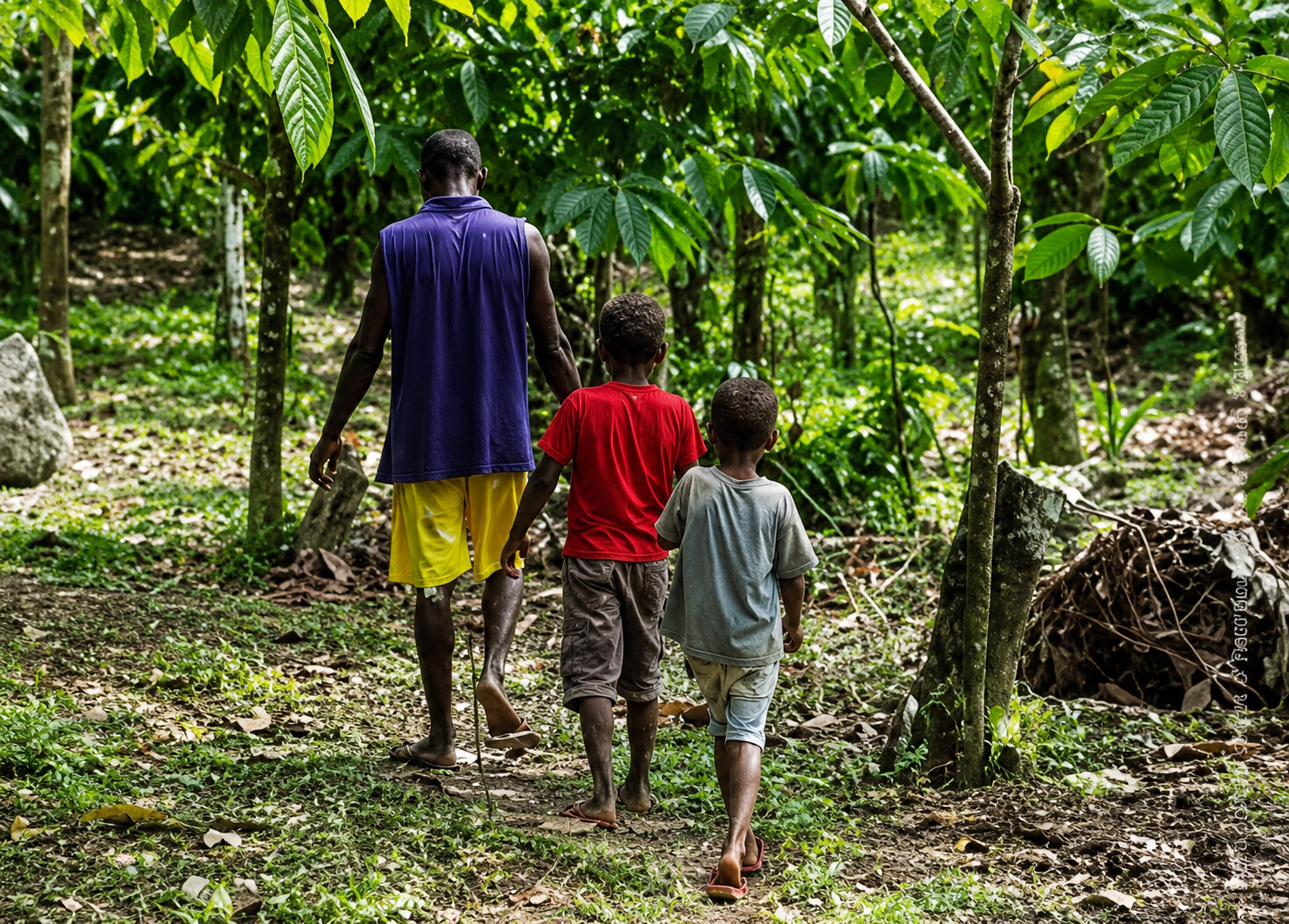
The cocoa industry in West Africa is currently grappling with a transformative shift in international trade requirements that threatens to disrupt global supply chains. As the European Union prepares to enforce its strict Deforestation Regulation on December 30, 2026, the region, which produces roughly 70 percent of the world’s supply of cocoa, finds itself in a precarious position. The new rules mandate that any company placing cocoa on the European market must provide proof that the product is deforestation-free and produced in accordance with relevant local laws. For a sector that relies heavily on millions of smallholder farmers often operating in informal or fragmented land systems, this requirement introduces immense logistical and financial pressure.
Compliance necessitates that exporters establish comprehensive traceability by mapping individual farms and maintaining precise digital records to verify land use. This task is proving exceptionally difficult in nations such as Nigeria, where approximately 300,000 small-scale farmers contribute to national output. Industry analysts suggest that producers responsible for more than half of the cocoa harvest in Nigeria could struggle to meet these rigorous documentation standards by the end of the year. The challenge is compounded by limited digital infrastructure and the reality that much of the cocoa passes through multiple intermediaries before reaching major exporters.
The economic implications for the region are profound. Roughly two-thirds of West African cocoa exports are destined for the European market, making the region uniquely vulnerable to these changes. Exporters are already reporting significant costs associated with mapping hectares of farmland and deploying field officers to gather the necessary data. In some instances, the cost to trace and certify production can reach between 30 and 70 dollars per metric ton. These added expenses arrive at a time when the sector is already managing volatility in global markets and the ongoing need to support farmer livelihoods amidst climate and disease pressures.
For many smallholders, the transition to formal digital mapping remains an alien process. There is a palpable concern that farmers who cannot navigate these compliance hurdles will face exclusion from the lucrative European market. While larger exporters may possess the capital to invest in the required technology and monitoring systems, the fragmented nature of the local supply chain makes universal compliance an arduous objective. The regulation is forcing a fundamental rethink of how cocoa is aggregated and sold, with the potential for those integrated into traceable supply chains to gain a competitive advantage while others risk being left behind.
Boardroom Voices Africa Insight
The impending implementation of European deforestation standards represents more than a technical hurdle for the West African cocoa sector. It serves as a definitive signal that the era of opaque commodity sourcing is concluding. For African enterprises, the path forward requires urgent institutional coordination between governments and private sector actors to subsidize the cost of traceability. Organizations that proactively adopt digital mapping and empower smallholders with the tools for compliance will not only secure their access to major markets but also define the new standard for sustainable agribusiness on the continent. The transition is expensive and operationally complex, yet it offers a rare opportunity to formalize land tenure and improve productivity for the millions of farmers who form the backbone of the global chocolate industry.