An African mining dispute involving Egyptian billionaire Naguib Sawiris has advanced to a key arbitration stage, with graphite producer Falcon Energy Materials pursuing a $100 million compensation claim against Guinea over the revocation of its mining licence.
Falcon, backed by Sawiris’ La Mancha investment vehicle and Burkina Faso’s Coris group, is challenging the Guinean government’s decision to revoke the operating licence for its Lola graphite project in southeastern Guinea in May 2025.
The dispute is being heard at the International Centre for Settlement of Investment Disputes (ICSID), the World Bank institution that handles investment disputes between investors and states. The case was registered on March 31, 2026, and both parties have appointed their arbitrators.
British arbitrator Peter Turner, nominated by Falcon, accepted his appointment on May 20, while Colombian lawyer Fernando Mantilla-Serrano, nominated by Guinea, accepted on July 16. No presiding arbitrator was listed on the ICSID case page at the time of reporting.
Falcon is represented by international arbitration firm LALIVE, while Guinea has appointed Paris-based law firm ASAFO & Co. The company is bringing its claim as an Emirati entity under the 2011 investment treaty between Guinea and the United Arab Emirates.
La Mancha is Falcon’s largest shareholder, with its reported ownership varying across disclosures and market data sources. The investment vehicle holds 19.89% of the company, according to its website, while other market data and company disclosures have indicated higher ownership figures, depending on the basis of calculation.
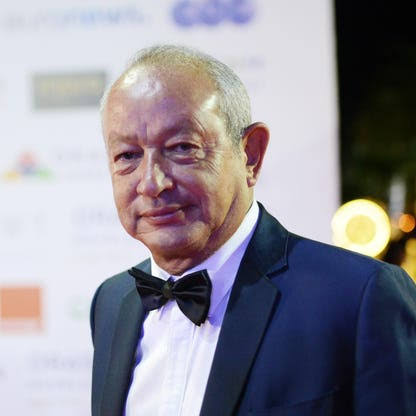
Sawiris, one of Egypt’s wealthiest businessmen and former chairman of Orascom Telecom, has built a substantial presence in the mining sector through his investment activities.
Another major shareholder is Coris Capital, the private equity arm of the Coris group controlled by Burkinabe banker Idrissa Nassa. MarketScreener data puts its stake at approximately 7.4%. Coris Capital first invested in Falcon, then known as SRG Mining, in August 2017.
Falcon is listed on Canada’s TSX Venture Exchange and has positioned itself in the graphite supply chain, particularly materials used in electric vehicle batteries.
Guinea revoked Falcon’s Lola exploitation licence through a presidential decree on May 14, 2025, as part of a broader review of mining rights.
Falcon says it attempted to resolve the dispute with the Ministry of Mines before initiating treaty arbitration, but maintains that the government indicated it would not provide compensation.
The company formally announced its arbitration proceedings on March 16, 2026, estimating its damages at approximately $100 million. The claim covers the loss of its Guinean assets and other losses it attributes to the government’s actions. The amount remains Falcon’s estimate and has not been established as an award by the tribunal.
Chief Executive Officer Matthieu Bos said the company was prepared to pursue compensation through arbitration. He added that a recent capital raise had provided shareholder backing and sufficient funding to cover its legal expenses.
A 2022 feasibility study estimated that developing the Lola project would cost $185 million. Located approximately 1,000 kilometres from Guinea’s capital, Conakry, near the borders with Côte d’Ivoire and Liberia, the deposit was intended to supply Falcon’s planned graphite anode facility in Morocco.
The proposed plant, designed to produce 26,000 tonnes annually, was expected to manufacture materials for the electric vehicle battery market.
Falcon’s case adds to a growing number of disputes involving mining investors and Guinea, where authorities have undertaken reviews of mining licences.
Emirati company Axis Minerals filed a separate arbitration claim in December 2025 seeking $28.9 billion over its bauxite operations, according to Agence Ecofin. Guinean media outlet Guinee360 has also reported multiple mining-related arbitrations pending against the country at ICSID.
While the arbitration proceeds, Falcon says it remains focused on advancing its planned Moroccan graphite anode project. The outcome of the case could have implications for the company’s investment plans and for perceptions of mining investment risk in Guinea.
For Guinea, the dispute highlights the potential financial and investor-confidence consequences of mining licence revocations as the country seeks to develop its mineral resources and attract international capital.