The bustling commercial heartbeat of Lagos often drowns out the quiet resilience of its most marginalized citizens, yet a transformative narrative is taking root across the metropolis. For millions of individuals navigating daily life with physical impairments, survival in a demanding urban landscape usually means battling systemic neglect, social stigma, and restricted access to economic opportunities. Amid these towering barriers, however, a powerful paradigm shift is quietly redefining what it means to live with an impairment in Nigeria’s commercial capital. Rather than viewing affected individuals through the traditional lens of charity or hardship, community advocates are championing an approach centered entirely on economic enterprise, technical competence, and raw productivity.
At the forefront of this progressive movement is the R4C Ability Project, an ambitious initiative spearheaded by Success Ezeani that seeks to rewrite the public discourse surrounding persons with disabilities. Rather than dwelling on routine obstacles, this unique intervention has documented the inspiring creative journeys of nine exceptional entrepreneurs and artists operating across diverse sectors in Lagos. Through an intimate nine-part documentary series, the project brings viewers directly into the workspaces of brilliant minds who are turning distinct crafts into viable, income-generating ventures. From intricate fashion design and footwear production to textile crafting, specialized food processing, beauty styling, and performance art, these creators are proving that talent and business acumen recognize no physical boundaries.
The creative tapestry captured by the initiative spans multiple vibrant neighborhoods throughout the state. In Bariga, a visually impaired entrepreneur demonstrates remarkable precision in running a homemade snacks business, producing popular local delicacies with inspiring dedication. In other corners of the city, skilled artisans including a blind shoemaker, a talented makeup artist in Satellite Town, and a dynamic performance artist in Festac Town showcase the depth of their technical expertise. Each episode of the series pulls back the curtain on their daily operations, focusing closely on the tools they utilize, their production methods, pricing strategies, and how they actively engage with customers to build sustainable livelihoods. By shifting the primary conversational focus toward labor, skill, and commerce, the project successfully dismantles outdated stereotypes that cast vulnerable populations solely in the role of passive supplicants.
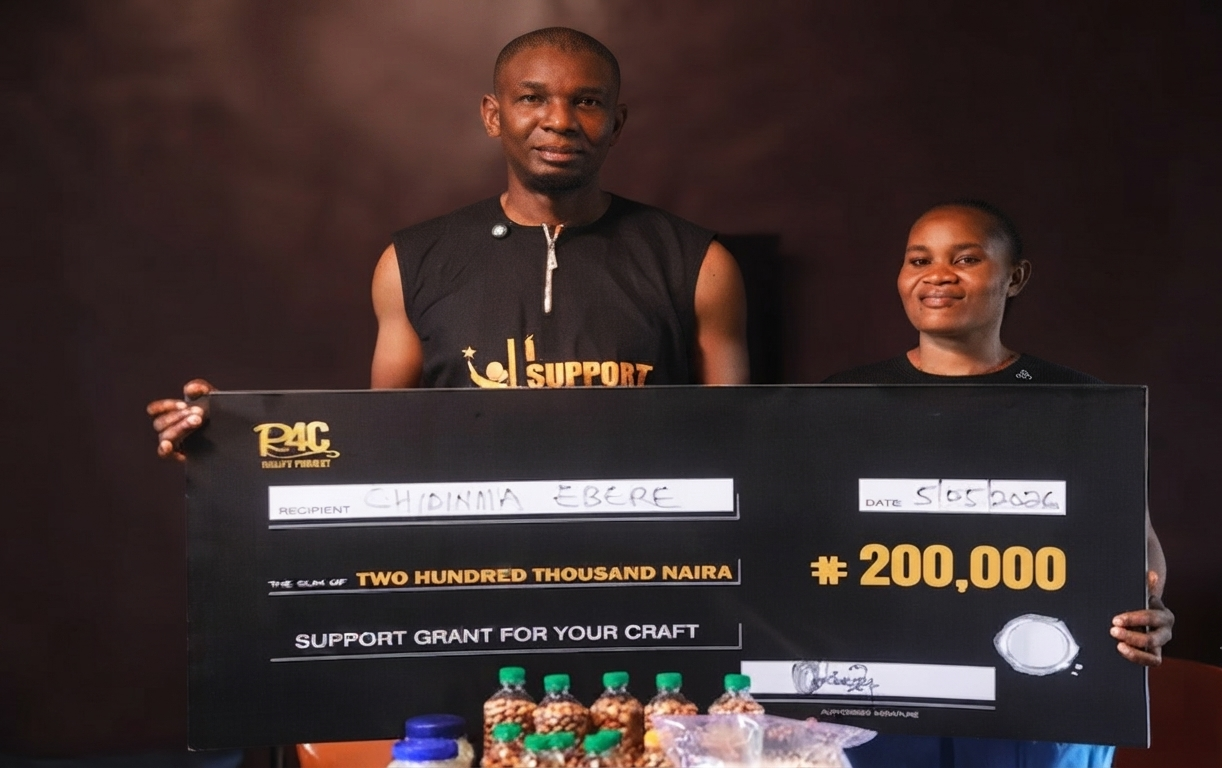
Beyond merely capturing these compelling personal stories on film, the initiative provides tangible fuel for business expansion. Every featured participant receives a creative production stipend of ₦200,000, culminating in a total financial injection of ₦1,800,000 distributed directly among the nine creators to help scale their operations. This critical backing has been made possible through strategic collaborations with compassionate corporate entities and supporters such as OAPay, Yaw Naija Entertainment, Auldon Toys Ltd, Olivet Bible Church, and A.Y Shoes Global. Such multi-sector backing demonstrates how private enterprise and community networks can effectively collaborate to bridge financial gaps and foster genuine inclusivity within local markets.
As discussions surrounding workforce diversity and economic participation gain stronger momentum across the country, initiatives like this offer a crucial blueprint for systemic change. Integrating marginalized groups into the active economic fold is not merely a moral obligation; it represents a major untapped resource for national growth and innovation. When urban centers actively foster environments where talent thrives unhindered by physical challenges, the entire economy benefits from expanded output and richer market diversity. The success of these Lagos creators serves as a compelling reminder that true empowerment lies in recognizing capability, providing accessible tools, and treating every citizen as an essential contributor to the nation’s collective prosperity.
Boardroom Voices Africa Insight
The remarkable success of the R4C Ability Project offers an invaluable lesson for corporate leaders and institutional policymakers across the continent. True corporate social responsibility extends far beyond periodic philanthropic donations; it requires integrating marginalized groups directly into the economic value chain as producers, innovators, and consumers. For African businesses striving to build resilient and inclusive markets, unlocking the hidden productivity of persons with disabilities is both a moral imperative and a smart economic strategy that broadens talent pools and drives sustainable growth.