Billionaire Investor’s Comments Highlight the Growing Intersection of Business, Politics, and International Relations
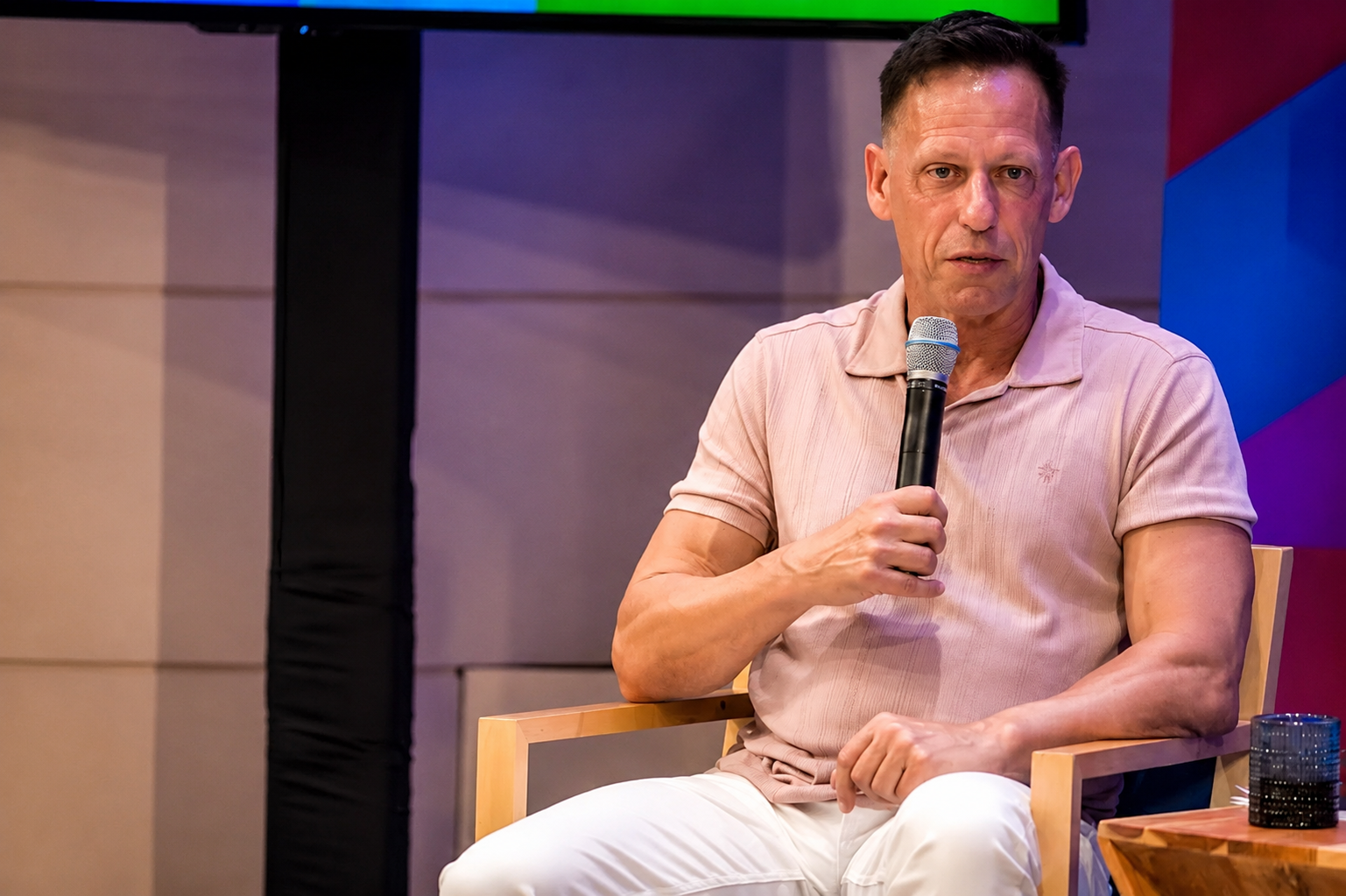
Billionaire technology investor and entrepreneur Peter Thiel has ignited international debate after making controversial remarks during the Aspen Security Forum, where he criticized the Vatican’s approach to China and claimed that Pope Leo XIV was “working for the Chinese Communists.”
The comments quickly drew attention across political, diplomatic, and business circles, underscoring how influential business leaders are increasingly shaping conversations that extend beyond finance and technology into geopolitics, international diplomacy, and global governance.
While Thiel’s remarks reflect his personal views and have not been supported by evidence, they have reignited discussions about the Vatican’s diplomatic relationship with China, freedom of religion, and the growing influence of geopolitical tensions on global leadership.
For African executives and policymakers, the episode demonstrates how geopolitical narratives can affect investor sentiment, international partnerships, and leadership perceptions.
Business Leaders Are Becoming Global Influencers
Peter Thiel is widely known for cofounding PayPal, being one of Facebook’s earliest investors, and backing several leading technology companies through venture capital.
His influence extends beyond Silicon Valley into public policy, national security, artificial intelligence, and international affairs.
As high-profile business leaders increasingly comment on global issues, their statements often influence financial markets, media narratives, and political discussions.
However, public influence also brings greater responsibility. Corporate leaders are increasingly expected to distinguish between evidence based analysis and personal opinion, particularly when addressing sensitive geopolitical or religious issues.
The Vatican China Relationship
The Vatican and China have maintained a complex diplomatic relationship for years, particularly over the appointment of Catholic bishops in China.
Both sides have sought dialogue aimed at improving cooperation while navigating longstanding disagreements over religious freedom and state authority.
These diplomatic efforts have generated both support and criticism from different political and religious groups worldwide.
Thiel’s comments have once again brought these issues into public discussion, although neither the Vatican nor Chinese authorities have endorsed his characterization.
Leadership in an Era of Polarized Narratives
The controversy highlights a growing challenge for today’s leaders: navigating an environment where public statements can rapidly influence perceptions across politics, business, and global markets.
Corporate executives increasingly operate in a world where geopolitical developments, social media, and public opinion can directly affect brand reputation and stakeholder confidence.
Boards and executive teams are therefore placing greater emphasis on communication strategies, crisis management, and responsible leadership.
The ability to engage in constructive dialogue while maintaining credibility has become a critical leadership skill.
Implications for Africa
Although the controversy originates outside the continent, Africa has significant interests in both China and the Vatican.
China remains one of Africa’s largest trading partners and infrastructure investors, while the Catholic Church continues to play a major role in education, healthcare, and community development across many African countries.
For African governments and businesses, maintaining balanced diplomatic relationships with global partners remains essential.
The incident also illustrates how geopolitical debates can shape international business environments, investment decisions, and public discourse far beyond their point of origin.
Corporate Governance and Executive Communication
One important lesson from the controversy is the growing importance of executive communication.
In today’s interconnected world, comments made by influential leaders can quickly become global headlines, affecting investors, customers, employees, and institutional relationships.
Strong corporate governance increasingly includes clear communication policies, stakeholder engagement, and careful management of reputational risk.
Business leaders are expected to express views responsibly, particularly on issues involving international diplomacy, politics, and religion.
Boardroom Voices Africa Insight
Peter Thiel’s remarks demonstrate that leadership influence now extends far beyond boardrooms and balance sheets.
Whether speaking on technology, politics, religion, or international affairs, today’s executives shape public conversations that can influence markets, institutions, and global perceptions.
For African business leaders, the lesson is not about adopting particular political positions. Rather, it is about recognizing that credibility, responsible communication, and evidence based leadership have become valuable strategic assets.
As Africa strengthens its role in global commerce and diplomacy, executives who communicate thoughtfully, respect diverse stakeholders, and focus on long-term institutional trust will be better positioned to lead in an increasingly interconnected world.