Nigeria is witnessing a dramatic resurgence in its energy sector as international oil corporations pour billions of dollars into deepwater exploration, effectively ending a decade long capital drought that once threatened the country as Africa’s top crude producer. For years, the story of Nigerian energy was dominated by onshore pipeline vandalism, oil theft, and severe regulatory stagnation that forced global majors to freeze new projects or divest completely. However, a major turnaround occurred at the Nigeria Oil and Gas Energy Week in Abuja, where the government secured multi billion dollar commitments that signal a powerful return of investor confidence.
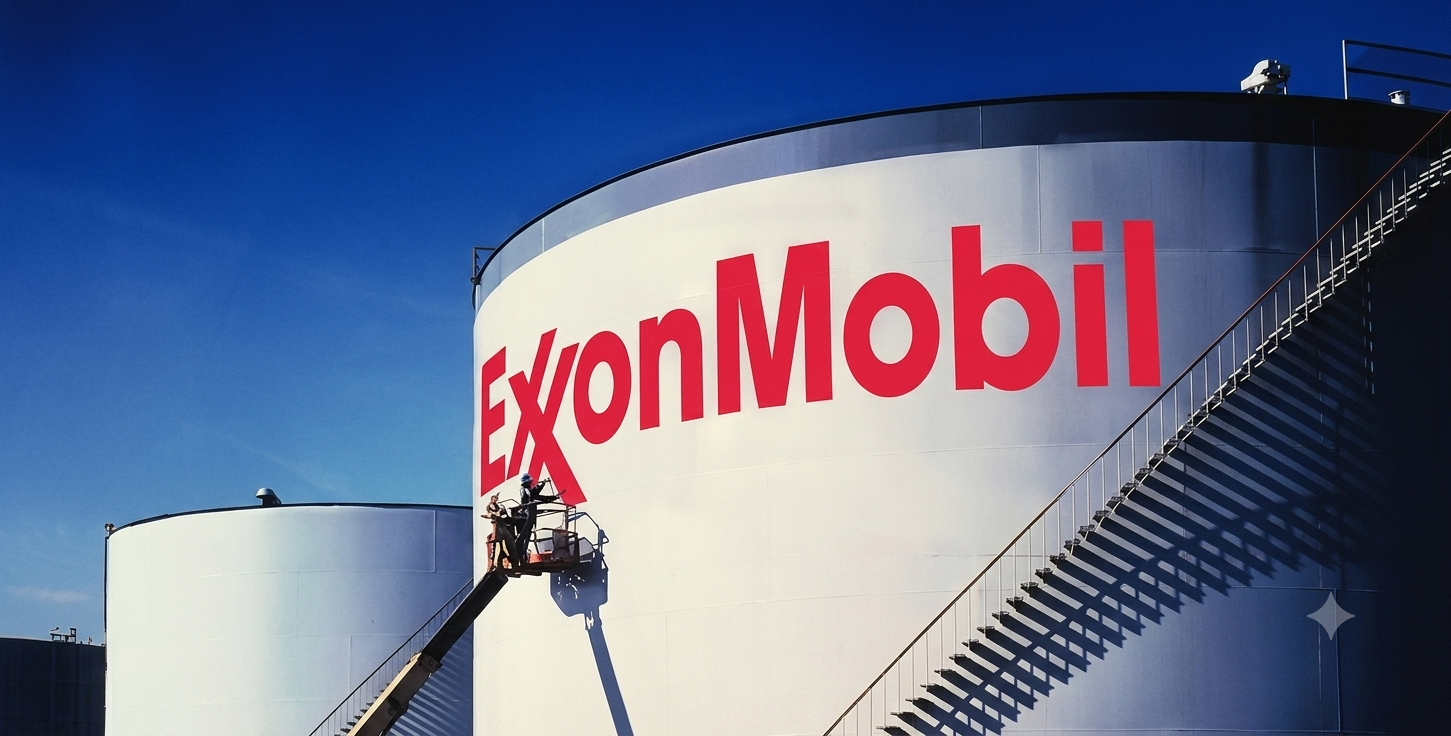
The crown jewel of this new investment wave is a massive one billion dollar final investment decision spearheaded by ExxonMobil for the Usan infill project located in the offshore block OML 138. Partnering with global heavyweights Chevron, TotalEnergies, and Nexen, ExxonMobil is officially ending its ten year drilling hiatus in the country. A specialized deepwater drilling rig is already scheduled to arrive within the coming weeks, setting off a rapid eighteen month construction timeline designed to inject forty thousand barrels of oil per day into the national grid. This project serves as an initial blueprint for how the country hopes to unlock its massive deep sea reserves, which have remained largely unexploited due to past legislative bottlenecks.
This sudden influx of capital did not happen by accident but rather follows an aggressive series of fiscal and legislative overhauls introduced by President Bola Tinubu’s administration. The passage of the Petroleum Industry Act laid the groundwork, but recent executive orders and sweetened tax incentives have truly broken the logjam. Global operators who achieve final investment decisions before 2029 can now tap into highly lucrative deepwater production sharing terms with the state owned NNPC Limited. By offering regulatory clarity and slashing red tape, Nigeria has successfully rewritten the financial math for deep sea exploration, making its offshore blocks competitive with emerging basins across the Americas and East Africa.
The ambitious campaign is part of a broader government strategy to supercharge national output to three million barrels of oil per day and twelve billion cubic feet of gas daily by the turn of the decade. Just days before the ExxonMobil announcement, the Nigerian Upstream Petroleum Regulatory Commission confirmed that five point three billion dollars in upstream investment commitments had already been finalized. To keep this momentum going, the regulatory body has issued nineteen new Petroleum Prospecting Licences and launched a major commercial bidding round aimed at drawing an additional ten billion dollars in deepwater asset investments.
While the numbers paint a picture of an economic renaissance, industry experts note that the path forward will require flawless execution. Independent energy consultancies point out that while deepwater projects isolate operators from the security risks plaguing onshore infrastructure, deep sea developments carry immense technical complexity and require sustained financial health. The true test for the country will be maintaining its newfound policy stability over the long term, ensuring that bureaucratic delays do not stall the aggressive drilling schedules required to bring these newly funded barrels to the global market.
Boardroom Voices Africa Insight
The sudden return of multi billion dollar investments to Nigeria’s offshore fields marks a critical turning point for corporate strategy across the continent. For the boardroom executives watching this space, the lesson is clear, institutional reforms and clear legislative frameworks can rapidly resurrect investor confidence even in the most challenging environments. As the state moves its primary production engines safely out to sea, a massive ecosystem of local oilfield services, logistics providers, and financial institutions must now scale rapidly to support this high tech deepwater boom. Navigating this transition will require corporate leaders to balance the immediate excitement of these massive cash inflows with long term investments in local capacity, sustainable technology, and robust risk management strategies.