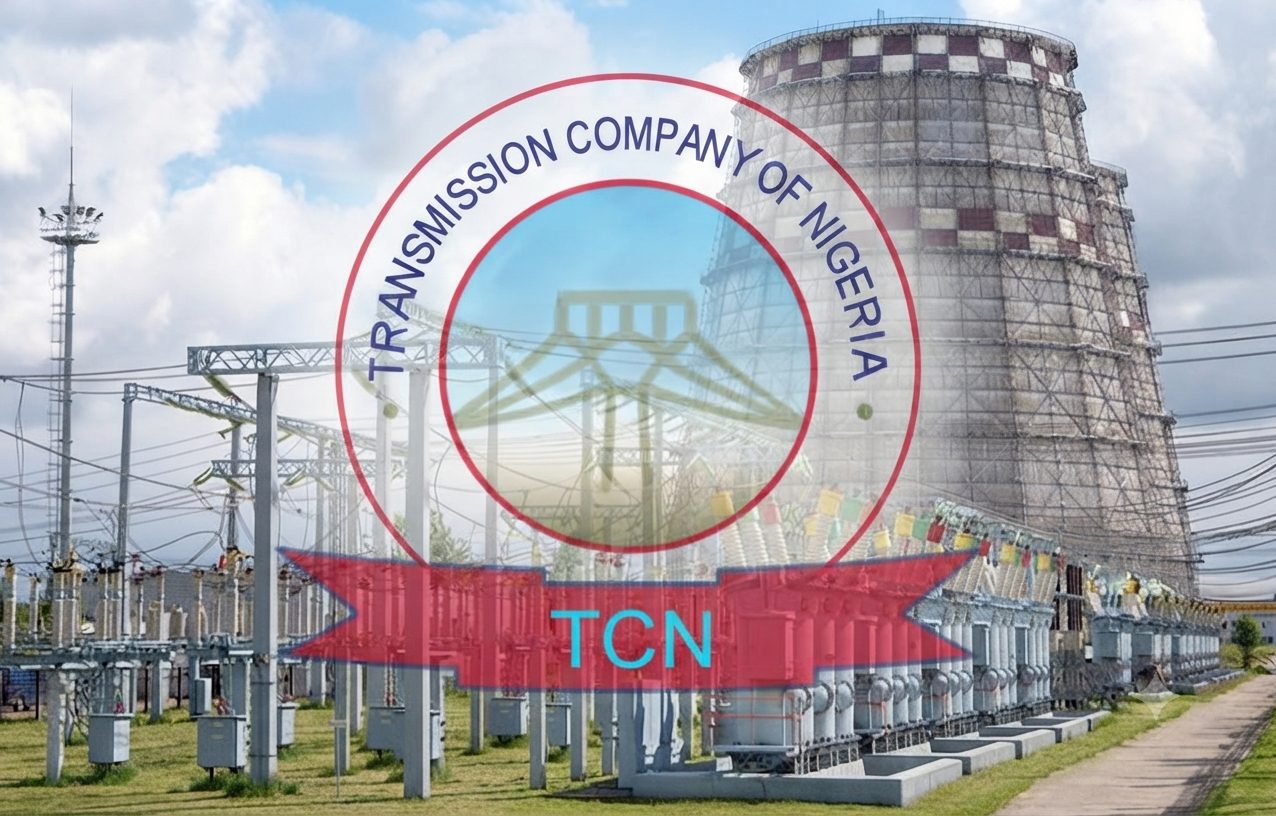
Security architecture and vigilance within the national power sector achieved a notable success as the Transmission Company of Nigeria thwarted a calculated attack on critical state assets. The incident unfolded at the major 330/132kV transmission substation located in Bauchi, where opportunistic criminals attempted to dismantle vital structural parts of the power network. Corporate authorities confirmed that swift intervention by security personnel on duty prevented what could have escalated into a major operational setback for the regional electricity supply chain.
According to official accounts released by the corporate headquarters, the breach occurred late in the evening at approximately 9:34 p.m. Guards stationed around the expansive facility noticed suspicious movements and promptly mobilized to intercept the intruders. The suspected vandals were actively targeting the metallic framework of the transmission towers, seeking to harvest core components used to maintain structural integrity. Realizing that their covert operation had been compromised and facing immediate pushback from the alert guards, the perpetrators abandoned their mission and scattered into the surrounding darkness.
A comprehensive sweep of the premises conducted immediately after the escape revealed a significant cache of abandoned equipment and logistics. Operatives recovered 12 transmission tower angle irons alongside a heavy-duty metal measuring scale typically used to size up structural sections for targeted removal. Most notably, the search yielded a white pickup truck that investigators believe the syndicate brought along to haul away the heavy metal loot.
Management confirmed that no vital power installation equipment left the premises and that no physical injuries were sustained by the security detail or any other parties during the brief confrontation. The recovered vehicle and all associated physical evidence have since been transferred to the Railway Division Police Station situated in Bauchi. Law enforcement authorities have already commenced formal investigations to track down the fleeing suspects and dismantle the wider criminal network responsible for the operation.
This near miss highlights the persistent vulnerabilities facing power transmission networks across the country. Power installations frequently remain prime targets for syndicates dealing in scrap metal, despite severe economic repercussions and extensive government expenditures directed toward rehabilitation. Industry data indicates that hundreds of similar vandalism incidents targeting transmission towers have been officially logged over recent years, costing billions of naira in emergency repairs and grid stabilization efforts. These continuous security challenges often threaten to derail ongoing optimization initiatives designed to ensure stable power delivery to millions of residential and commercial consumers.
Corporate leadership has publicly lauded the vigilance and rapid response demonstrated by the security personnel stationed at the Bauchi facility. Officials emphasized that prompt action remains the first line of defense in protecting national assets that require immense capital to replace. Furthermore, the company renewed its call for robust grassroots participation, urging residents living near major power stations to adopt a sense of ownership. Communities are strongly encouraged to report any suspicious vehicular movement or unauthorized human activity around electricity corridors directly to security agencies or the nearest utility office. Safeguarding the power grid requires a collaborative framework uniting corporate operators, security forces, and the local populace to permanently stamp out infrastructure sabotage.
Boardroom Voices Africa Insight
The foiled incident in Bauchi underscores a critical reality for African industrial growth, which is that infrastructure protection must evolve from a reactive security expense into an active, community-integrated corporate governance priority. Physical security breaches on power grids do more than cause localized blackouts; they ripple through regional economies, inflating operational costs for businesses and dampening investor confidence in the energy sector. Protecting these capital-intensive assets demands a holistic strategy that combines intelligence led policing, strict supply chain tracking for scrap metal dealers, and deep socioeconomic alignment with host communities to ensure that economic infrastructure is treated as a shared collective asset rather than an isolated target.