Repatriation Highlights the Need for Stronger Diaspora Protection, Migration Policies, and Regional Cooperation
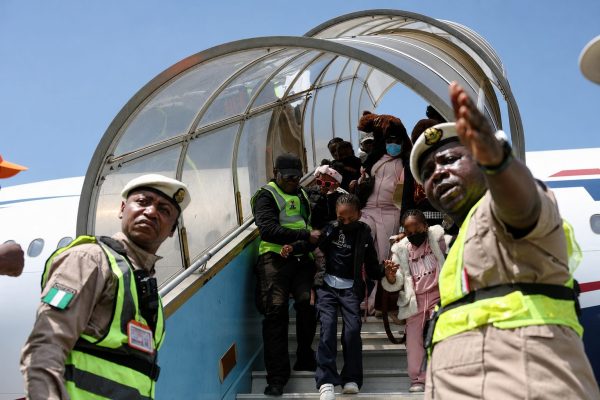
An aircraft conveying a group of Nigerians repatriated from South Africa has arrived safely at the Murtala Muhammed International Airport in Lagos, marking the latest phase in efforts to assist citizens facing challenges abroad.
The return of the affected Nigerians follows coordinated efforts involving Nigerian authorities, diplomatic missions, and relevant stakeholders to facilitate their safe passage home.
While the repatriation brings relief to those returning, it also shines a spotlight on broader issues surrounding migration, employment opportunities, diaspora engagement, and the importance of strengthening diplomatic and economic ties across Africa.
For business leaders and policymakers, the development underscores the need for inclusive economic growth that creates opportunities at home while protecting Africans living and working across the continent.
A Coordinated Repatriation Effort
Government officials confirmed that the repatriated citizens arrived safely in Lagos, where arrangements were made for their reception and initial support.
Authorities emphasized that the exercise reflects Nigeria’s commitment to the welfare of its citizens abroad and the importance of collaboration between governments, diplomatic missions, and international partners during humanitarian situations.
Repatriation exercises often involve complex logistical planning, including travel documentation, transportation, medical support, and reintegration measures.
Migration and Africa’s Economic Reality
Labour migration continues to shape Africa’s economic landscape.
Millions of Africans relocate within the continent each year in search of:
- Better employment opportunities.
- Higher education.
- Business expansion.
- Professional development.
- Improved living conditions.
South Africa remains one of the continent’s largest economies and continues to attract skilled professionals, entrepreneurs, and workers from across Africa.
However, migrants can also face challenges such as legal documentation issues, employment disputes, economic hardship, and social tensions.
Why Diaspora Communities Matter
Africa’s diaspora plays a vital role in economic development.
According to international financial institutions, remittances from Africans living abroad contribute billions of dollars annually to households, education, healthcare, and business investments across the continent.
Beyond financial contributions, diaspora communities also:
- Transfer skills and knowledge.
- Support entrepreneurship.
- Facilitate trade and investment.
- Build international business networks.
- Promote innovation and technology exchange.
Protecting the rights and welfare of citizens abroad therefore remains an important component of national development strategies.
Leadership and Diplomatic Responsibility
The successful coordination of repatriation efforts demonstrates the importance of responsive leadership and effective diplomacy.
Governments are increasingly expected to provide timely assistance to citizens facing emergencies outside their home countries.
Strong diplomatic engagement can help:
- Protect citizens’ rights.
- Resolve immigration related issues.
- Strengthen bilateral relationships.
- Improve regional cooperation.
- Support labour mobility across Africa.
As implementation of the African Continental Free Trade Area (AFCFTA) continues, collaboration among African nations will become even more important in facilitating the movement of people, talent, and businesses.
Economic Lessons for Africa
The repatriation also raises broader questions about job creation and economic inclusion across the continent.
Creating sustainable employment opportunities remains one of Africa’s greatest priorities.
Investment in sectors such as:
- Manufacturing.
- Technology.
- Agriculture.
- Infrastructure.
- Renewable energy.
- Financial services.
can reduce economic pressures that encourage outward migration while creating opportunities for young Africans to build successful careers at home.
Corporate Governance and Human Capital
For businesses, the story reinforces the importance of investing in people.
Organizations that prioritize employee welfare, diversity, and inclusive workplaces contribute to stronger economies and more resilient communities.
Human capital is increasingly recognized as one of Africa’s most valuable assets.
Companies that invest in workforce development, skills training, and employee well being are better positioned to drive long term growth and innovation.
Boardroom Voices Africa Insight
The arrival of repatriated Nigerians from South Africa is more than a humanitarian story it is a reminder of the interconnected nature of Africa’s economies and people.
As labour mobility increases across the continent, governments and businesses must work together to create environments where talent can thrive safely and productively.
For Africa’s leaders, the long term solution lies not only in responding to crises but also in building stronger economies, expanding employment opportunities, protecting citizens abroad, and strengthening regional cooperation.
A prosperous Africa will depend on policies that empower people, encourage investment, and ensure that migration becomes a choice driven by opportunity rather than necessity.