Resumption of LNG Traffic Signals Improving Stability in One of the World’s Most Critical Energy Corridors
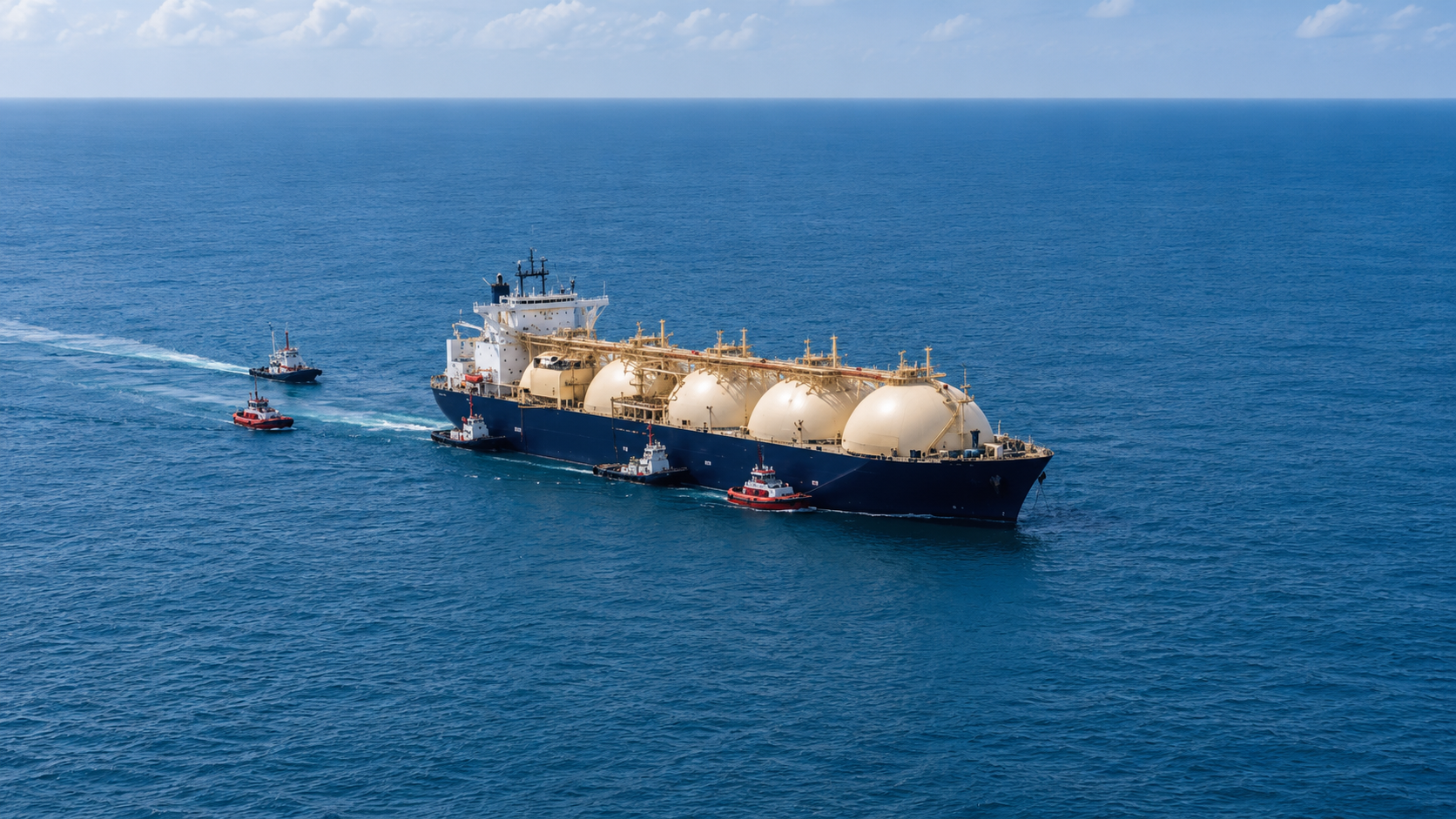
Qatar’s liquefied natural gas (LNG) exports are gradually resuming through the Strait of Hormuz, following a brief disruption caused by heightened geopolitical tensions in the Gulf. The return of Qatar-linked LNG carriers is being closely monitored by global energy markets, as it signals improving confidence in one of the world’s most strategic shipping routes.
The Strait of Hormuz is one of the busiest maritime corridors globally, handling a significant share of the world’s oil and LNG exports. Any disruption to traffic through the waterway has immediate implications for global energy prices, supply chains, and economic stability.
For Africa, where many economies depend on imported fuel while others are major oil and gas exporters, developments in the Gulf can directly influence inflation, energy costs, government revenues, and investor sentiment.
Why the Strait of Hormuz Matters
Located between the Persian Gulf and the Gulf of Oman, the Strait of Hormuz serves as a vital gateway for energy exports from Qatar, Saudi Arabia, the United Arab Emirates, Kuwait, Iraq, and Iran.
Qatar is among the world’s largest LNG exporters, supplying natural gas to Europe and Asia. When shipping through the strait slows or stops, global buyers become concerned about supply shortages, often pushing up energy prices.
Following recent diplomatic progress and easing regional tensions, ship tracking data indicates that Qatar-linked LNG vessels have begun returning to normal operations, although shipping companies remain cautious.
Global Energy Markets Respond
The return of LNG traffic has brought cautious optimism to energy markets.
Analysts say the resumption of shipments could help stabilize LNG supplies and ease concerns over potential disruptions to electricity generation and industrial production in major importing countries.
However, shipping firms continue to monitor security risks, insurance costs, and evolving transit procedures before fully restoring normal operations. Maritime traffic through the Strait of Hormuz remains below pre-conflict levels, highlighting that the recovery is gradual rather than complete.
What This Means for Africa
For African economies, developments in the Gulf have far-reaching consequences.
Many countries rely on imported petroleum products and LNG for electricity generation, manufacturing, and transportation. Stable energy supplies help moderate fuel costs, support industrial activity, and reduce inflationary pressures.
At the same time, oil and gas producing nations such as Nigeria, Algeria, Angola, Libya, Egypt, and Mozambique closely monitor global energy markets, as changes in supply routes and prices directly affect export revenues and investment decisions.
A more stable Hormuz also supports confidence in global shipping and commodity markets, reducing uncertainty for businesses engaged in international trade.
Leadership Lessons for African Energy Companies
The temporary disruption underscores the importance of resilience in the energy sector.
African energy companies and policymakers are increasingly investing in diversified export routes, domestic refining capacity, strategic reserves, and regional energy cooperation to reduce exposure to global supply shocks.
For executives, the episode reinforces the need for robust risk management, supply chain planning, and geopolitical awareness in boardroom decision-making.
Companies that prepare for global disruptions are often better positioned to protect operations, reassure investors, and maintain business continuity.
Boardroom Voices Africa Insight
The gradual return of Qatar’s LNG shipments through the Strait of Hormuz is a reminder that global business is deeply interconnected.
A disruption thousands of kilometres away can influence fuel prices in Lagos, electricity costs in Nairobi, manufacturing in Johannesburg, and investment decisions across the continent.
For African business leaders, understanding geopolitical developments is no longer optional it is an essential component of corporate strategy.
As Africa continues to expand its energy sector and industrial base, resilient supply chains, diversified energy sources, and strong corporate governance will be critical to navigating an increasingly uncertain global economy.
The future belongs to organizations that can anticipate global risks while building long term resilience at home.