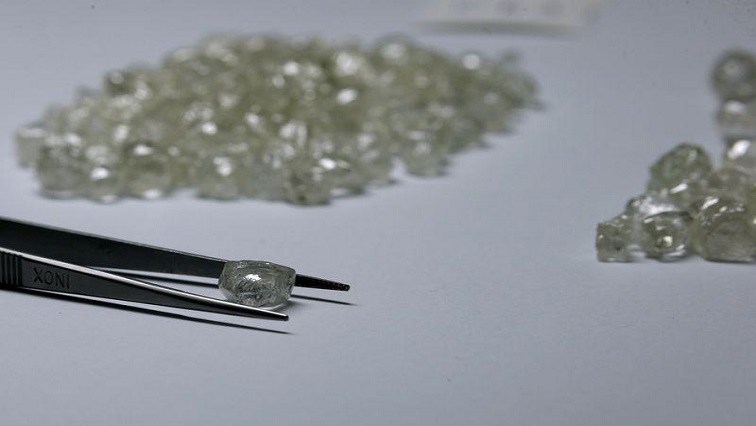
The Democratic Republic of Congo (DRC) is taking another step toward strengthening its mining sector after signing a strategic agreement with a Swiss diamond company aimed at expanding local diamond processing and increasing value addition within the country.
For decades, the DRC has been one of Africa’s richest sources of natural resources, producing vast quantities of diamonds, cobalt, copper, gold, and other critical minerals. Yet much of its wealth has historically been exported in raw form, leaving significant economic value, skilled jobs, and manufacturing opportunities overseas.
The new partnership marks a shift in strategy one that prioritizes processing diamonds locally before they reach international markets. Rather than exporting rough stones for cutting and polishing abroad, the initiative seeks to develop domestic processing capabilities that can create employment, transfer technical expertise, and generate higher export earnings.
Moving Beyond Raw Mineral Exports
Across Africa, governments are increasingly encouraging local beneficiation the process of refining and processing raw materials within their own borders before export.
For the DRC, this approach could unlock greater economic value from its vast diamond reserves while reducing dependence on raw commodity exports.
By developing cutting, polishing, grading, and certification facilities locally, the country hopes to capture a larger share of the global diamond value chain.
Industry experts believe that every stage of local processing creates new opportunities for skilled employment, technology transfer, and industrial development.
A Boost for Manufacturing and Jobs
The agreement is expected to support the development of a stronger domestic diamond industry by attracting investment into processing facilities and workforce development.
Instead of relying primarily on mining activities, the country can begin building an ecosystem that includes manufacturing, logistics, quality assurance, exports, and supporting professional services.
Such investments could create thousands of direct and indirect jobs while strengthening local businesses that support the mining value chain.
For young Africans entering the workforce, this represents an opportunity to develop specialized skills in an industry traditionally dominated by overseas processing centres.
Supporting Africa’s Industrial Agenda
The deal also aligns with broader continental efforts to increase value addition across Africa’s natural resource sectors.
Under the African Continental Free Trade Area (AFCFTA), countries are being encouraged to strengthen regional manufacturing, promote intra African trade, and reduce dependence on exporting raw commodities.
For resource rich economies, processing minerals locally could improve export revenues, strengthen industrial capacity, and make African businesses more competitive in global markets.
If successful, the DRC’s strategy could become a model for other African nations seeking to maximize the economic benefits of their natural resources.
Challenges Remain
While the agreement presents significant opportunities, success will depend on consistent implementation.
Reliable electricity, modern infrastructure, transparent regulations, skilled labour, and investor confidence will all play critical roles in building a sustainable diamond processing industry.
The country will also need strong governance frameworks to ensure that increased mineral wealth translates into long-term economic development and benefits local communities.
Boardroom Voices Africa Insight
The future of Africa’s mining industry is no longer just about extraction it’s about value creation.
The Democratic Republic of Congo’s partnership with a Swiss diamond company reflects a growing recognition that sustainable economic growth comes from processing, manufacturing, and industrialization rather than exporting raw materials alone.
As Africa seeks to strengthen its position in global supply chains, countries that invest in local industries, skilled talent, and value added production will be better positioned to create jobs, attract investment, and drive inclusive economic growth.
The continent has the resources. The next challenge is ensuring more of the value is created and retained in Africa.