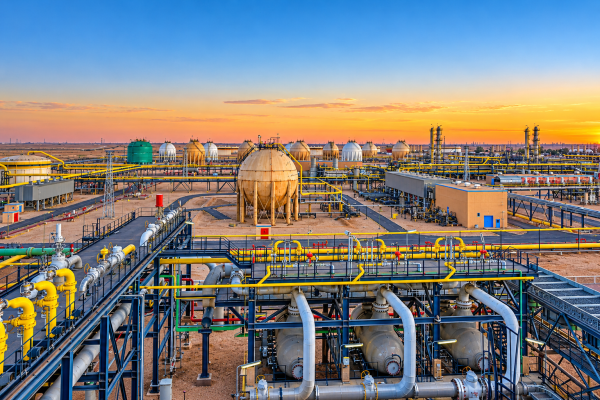
Africa’s largest oil producer, Nigeria, is on the verge of expanding its strategic mineral portfolio following a breakthrough discovery of commercially viable rare earth elements (REEs)—minerals that are increasingly vital to the global clean energy transition and advanced technology manufacturing.
The discovery marks a significant milestone in Nigeria’s efforts to diversify its economy beyond crude oil exports, opening the door to new opportunities in mining, industrialization, foreign investment, and value-added manufacturing.
As demand for critical minerals continues to surge worldwide, Nigeria’s latest discovery could position the country as an important supplier in global supply chains for electric vehicles, renewable energy technologies, defense systems, and consumer electronics.
What Are Rare Earth Elements?
Rare earth elements are a group of 17 strategic minerals used in the production of:
- Electric vehicle batteries and motors
- Wind turbines
- Smartphones and laptops
- Artificial Intelligence hardware
- Robotics
- Medical equipment
- Defense technologies
- High-performance electronics
Although called “rare,” these minerals are relatively abundant in the earth’s crust. The challenge lies in economically extracting and processing them.
Global demand is expected to grow significantly as countries invest in green energy, electric mobility, and digital infrastructure.
Why This Discovery Matters
For decades, Nigeria has relied heavily on crude oil exports as its primary source of foreign exchange.
However, fluctuating oil prices and the global transition toward cleaner energy have increased pressure on resource-rich nations to diversify their economies.
The discovery of rare earth deposits presents an opportunity to:
- Reduce dependence on oil revenues
- Attract foreign direct investment
- Create high-value mining jobs
- Develop downstream processing industries
- Increase export earnings
- Support industrial development
If managed strategically, rare earth production could become one of Nigeria’s next major export industries
How It Relates to Africa
The discovery reinforces Africa’s growing importance in the global race for critical minerals.
Across the continent, countries are becoming key suppliers of resources essential for the energy transition, including:
- Cobalt from the Democratic Republic of Congo
- Lithium from Zimbabwe and Namibia
- Graphite from Mozambique
- Copper from Zambia
- Manganese from South Africa and Gabon
Nigeria’s entry into the rare earth market broadens Africa’s strategic role in supplying the minerals powering tomorrow’s economy.
Instead of being viewed solely as an oil and gas region, Africa is increasingly becoming central to the industries driving electric vehicles, renewable energy, semiconductors, and artificial intelligence.
A New Industrial Opportunity
Experts say the greatest economic value will not come from exporting raw minerals alone.
The real opportunity lies in building local processing plants, refining facilities, and manufacturing industries that transform raw materials into higher-value products.
Countries that invest in mineral beneficiation, technology transfer, and skilled workforce development are likely to capture significantly greater economic benefits.
This aligns with Africa’s industrialization agenda under the African Continental Free Trade Area (AFCFTA), which encourages regional manufacturing and value addition.
Investment Potential
The discovery is expected to increase investor interest in Nigeria’s mining sector.
Potential beneficiaries include:
- Mining companies
- Infrastructure developers
- Renewable energy firms
- Battery manufacturers
- Technology companies
- Logistics providers
- Engineering and construction firms
As governments worldwide seek secure supplies of critical minerals, Africa is becoming an increasingly attractive destination for long-term investment.
Challenges Ahead
While the discovery presents enormous opportunities, experts caution that success will depend on:
- Transparent mining regulations
- Environmental sustainability
- Community engagement
- Investment in processing capacity
- Infrastructure development
- Strong governance
Without local value addition, Africa risks repeating the historical pattern of exporting raw resources while importing finished products.
Boardroom Voices Africa Insight
Nigeria’s rare earth discovery represents more than another mineral find it symbolizes Africa’s evolving role in the global economy.
As the world transitions toward cleaner energy and advanced technologies, Africa possesses many of the resources needed to power that future.
The challenge now is not simply extracting these minerals but building industries around them.
If African governments prioritize processing, manufacturing, innovation, and regional collaboration, the continent can move beyond being a supplier of raw materials to becoming a global industrial powerhouse.
Nigeria’s latest discovery may well mark the beginning of a new chapter in Africa’s economic transformation one driven not only by oil, but by the critical minerals shaping the industries of tomorrow.