Zambia has secured a staff-level agreement with the International Monetary Fund (IMF) for a new three-year financing programme worth approximately $1.5 billion, as the Southern African nation continues efforts to strengthen its economy and manage outstanding debt challenges.
The agreement follows the expiration in January of Zambia’s previous $1.7 billion IMF programme, which supported the country’s recovery from a prolonged debt crisis after it became the first African country to default on its sovereign debt during the COVID-19 pandemic in 2020.
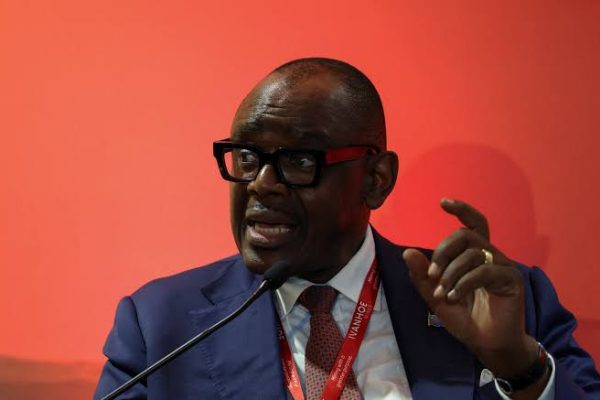
An IMF mission led by Edward Gemayel reached the agreement following discussions in Lusaka between September 29 and October 9. The proposed Extended Credit Facility is designed to preserve macroeconomic stability, strengthen economic resilience and support Zambia’s long-term growth ambitions.
According to Gemayel, the IMF Executive Board is expected to consider the programme around December, with financing disbursed in seven instalments over the three-year period. Payments are expected every six months, with the initial disbursement representing approximately 15% of the total facility.
The agreement provides Zambia access to 1.076 billion Special Drawing Rights (SDRs), the IMF’s international reserve asset, as the government prepares its 2027 national budget. The Finance Ministry has projected a 7% increase in public spending next year.
Debt restructuring remains a key priority for the country. Gemayel said Zambia and the African Export-Import Bank (Afreximbank) were close to finalising a debt restructuring agreement, while discussions with the Trade and Development Bank were continuing in good faith.
The IMF projects Zambia’s economy will grow by 5.6% in 2026, supported by stronger performance across agriculture, mining and exports. However, the Fund warned that the country’s fiscal position had weakened due to lower-than-expected revenue collections and higher-than-budgeted expenditure by the Food Reserve Agency.
The proposed programme could also help restore investor confidence and improve Zambia’s access to international capital markets. Gemayel said the IMF could accommodate a potential return to the eurobond market if the government decided to pursue one.
Investor reaction was positive following news of the agreement. Zambia’s 2033 eurobond rose to bids of 95.82 cents on the dollar on Friday, according to Tradeweb data.
The proposed financing marks another step in Zambia’s efforts to consolidate its debt recovery, strengthen public finances and sustain economic growth, although the programme remains subject to approval by the IMF Executive Board.