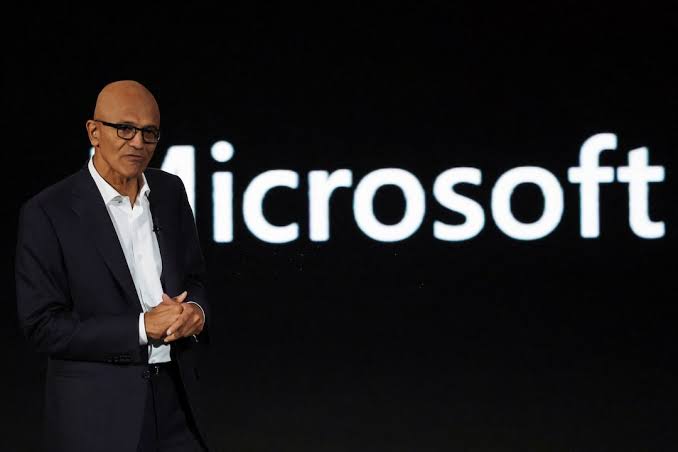
Microsoft and Nvidia are set to unveil a new high-powered AI laptop in San Francisco, marking a major push to bring advanced artificial intelligence capabilities directly to Windows computers rather than relying entirely on cloud data centres.
Microsoft CEO Satya Nadella and Nvidia CEO Jensen Huang are expected to introduce the Surface Laptop Ultra, powered by Nvidia chips designed to run demanding AI workloads locally.
The move reflects Microsoft’s broader strategy to shift some AI processing away from its expensive Azure cloud infrastructure and onto powerful computers used by businesses and consumers.
For Microsoft, the strategy could reduce pressure on its cloud infrastructure while strengthening Windows as a platform for the next generation of AI applications. The company is also facing growing competition from Apple, which is pursuing similar efforts to bring more AI capabilities directly to Mac computers.
Nvidia Targets the PC Market
The partnership also offers Nvidia an opportunity to expand further into the PC market, where Intel and AMD have traditionally held strong positions.
The new machines are expected to use Nvidia’s RTX Spark chips, designed to handle demanding AI applications such as software development, complex business tasks and AI agents without necessarily sending data to the cloud.
The collaboration represents the culmination of several years of work between Microsoft and Nvidia to make advanced AI computing available directly on desktops and laptops.
Can AI Agents Safely Run on Personal Computers?
One of the biggest challenges will be demonstrating that AI agents can operate securely on personal computers.
These systems are designed to perform complex tasks with limited human intervention, potentially including writing code, managing files and carrying out business processes.
That raises concerns around privacy and security, particularly when AI agents are given access to sensitive files and systems stored on a computer.
Nvidia and other technology companies are already developing safeguards following security concerns surrounding AI platforms, while Apple is also strengthening controls over how AI systems access data stored on Macs.
Price Could Be the Biggest Challenge
Beyond performance and security, cost could determine how widely AI-powered PCs are adopted.
When Microsoft began promoting the concept of AI-enabled PCs two years ago, many of the machines were priced below $2,000. But rising memory costs have since pushed prices higher across the computer industry.
Nvidia recently increased the price of its DGX Spark AI desktop by about 75% to $6,950, with the company citing rising costs for high-capacity memory.
Analysts say the memory shortage is creating a difficult situation for technology companies. While AI software has matured significantly, the hardware required to run advanced models locally is becoming increasingly expensive.
For Microsoft and Nvidia, the success of the new Surface machine may therefore depend on whether they can deliver powerful local AI capabilities at a price businesses and consumers can realistically afford.
As analyst Anshel Sag of Moor Insights & Strategy put it, the industry has reached a point where the software is ready and the hardware is capable, but the cost of running AI locally could limit access to those with the largest budgets.