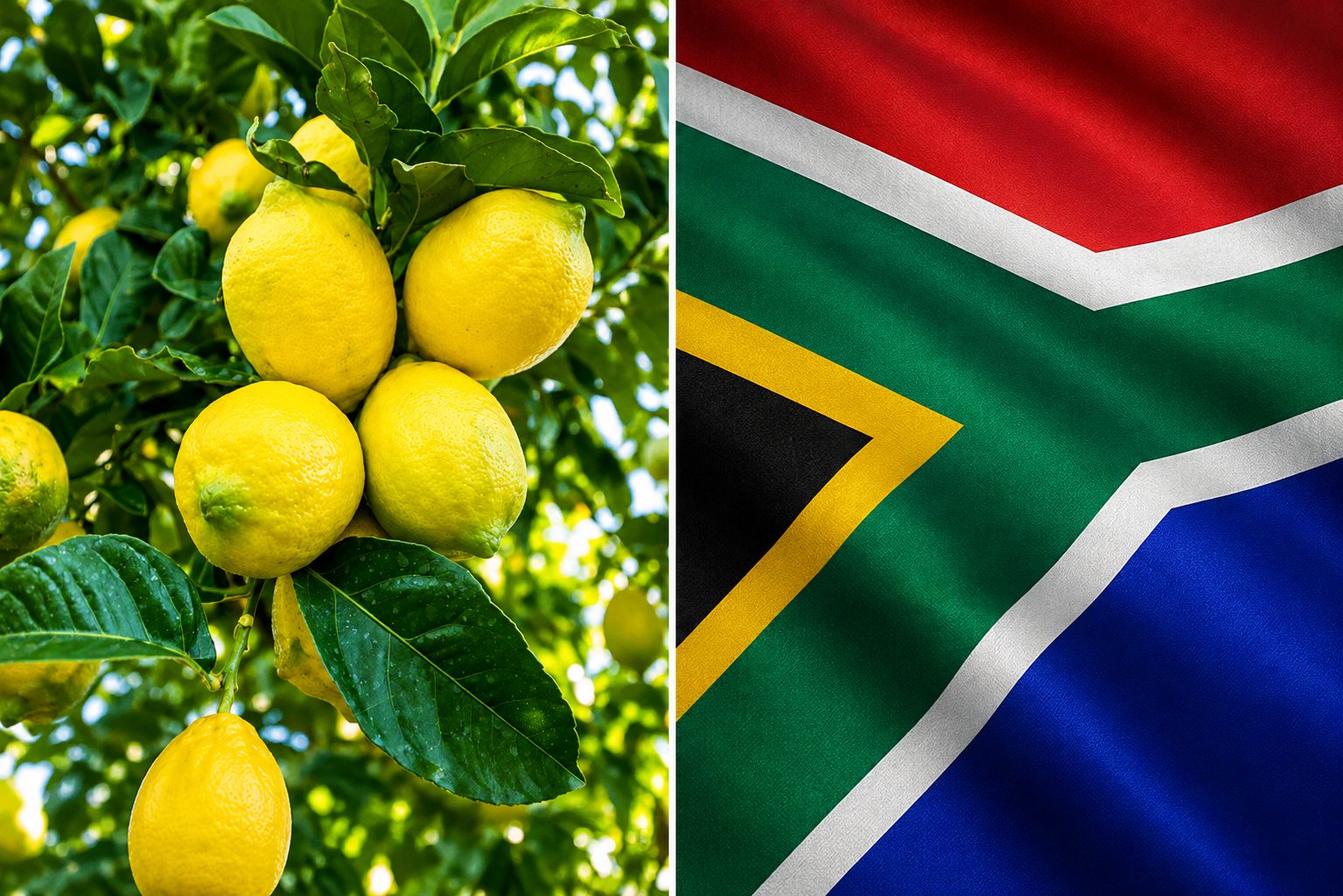
South African citrus producers have recalibrated their seasonal expectations for the 2026 campaign, targeting an overall export volume of 210-215 million cartons. The adjustment reflects a complex international shipping landscape and shifting weather patterns, even as specific categories show localized strength. According to updated figures from the Citrus Growers Association of Southern Africa, lemon exports were revised upward to 49.4 million cartons, driven by favorable late-winter cold fronts and sufficient rainfall across key production regions such as the Eastern Cape and Limpopo. However, broader agricultural components require tight coordination among logistics operators and growers to manage compressed shipping schedules and fluctuating global demand.
Concurrently, major financial institutions are moving to capture rising corporate activity across emerging markets, highlighted by Bank of America Corp appointing senior dealmaker Simbah Mutasa to head its expanding Africa investment banking franchise. Mutasa previously directed the US lender’s operations inside South Africa, which functions as the continent’s most industrialised economic hub. By elevating Mutasa to a broader regional mandate, as communicated in an internal memo reviewed by Bloomberg, the firm aims to secure a larger share of lucrative corporate advisory and capital markets mandates. Alongside this appointment, the bank also positioned Sjoerd van Hooijdonk to lead its Benelux operations, signaling a synchronized push across high-potential international territories.
The leadership changes at Bank of America underscore a wider institutional bet on Africa’s long-term financial trajectory. Despite global economic headwinds and supply chain complexities affecting sectors from agriculture to logistics, the continent continues to attract serious foreign capital. Rapid demographic shifts, ongoing infrastructure development, and increasing demand for cross-border advisory services mean that international lenders must position experienced leadership on the ground. Dealmakers tasked with steering these franchises will navigate intricate local regulatory environments while connecting international liquidity with high-growth local enterprises.
For South African exporters, the stakes remain equally pronounced as the 2026 season progresses. Maintaining strict quality standards while dealing with shifting harvest timelines requires exceptional synchronization among farmers, port operators, and financial backers. As international buyers monitor fruit availability and pricing trends, the ability of South African agricultural businesses to adapt will dictate their ultimate market retention across Europe, the Middle East, and Asia.
Ultimately, these parallel developments in agriculture and investment banking illustrate the interconnected nature of modern commerce across developing markets. Whether managing millions of cartons of perishable produce or orchestrating multi-million-dollar corporate transactions, strategic foresight remains the defining asset. Industry participants are watching closely to see how newly appointed banking leadership and agricultural cooperatives manage the remainder of 2026, a year defined by rapid operational adaptation.
Boardroom Voices Africa Insight
The convergence of agricultural adjustments and high-level financial appointments this week highlights a maturing corporate ecosystem across the continent. When institutions like Bank of America empower regional veterans to lead local operations, it signals that standard playbook strategies are giving way to localized expertise. Simultaneously, the resilience demonstrated by South African agricultural exporters proves that traditional economic drivers are modernizing through sophisticated supply chain management. For business leaders across Africa, success in 2026 relies entirely on operational flexibility, deep market intelligence, and the capacity to anticipate macro shifts before they impact the bottom line.