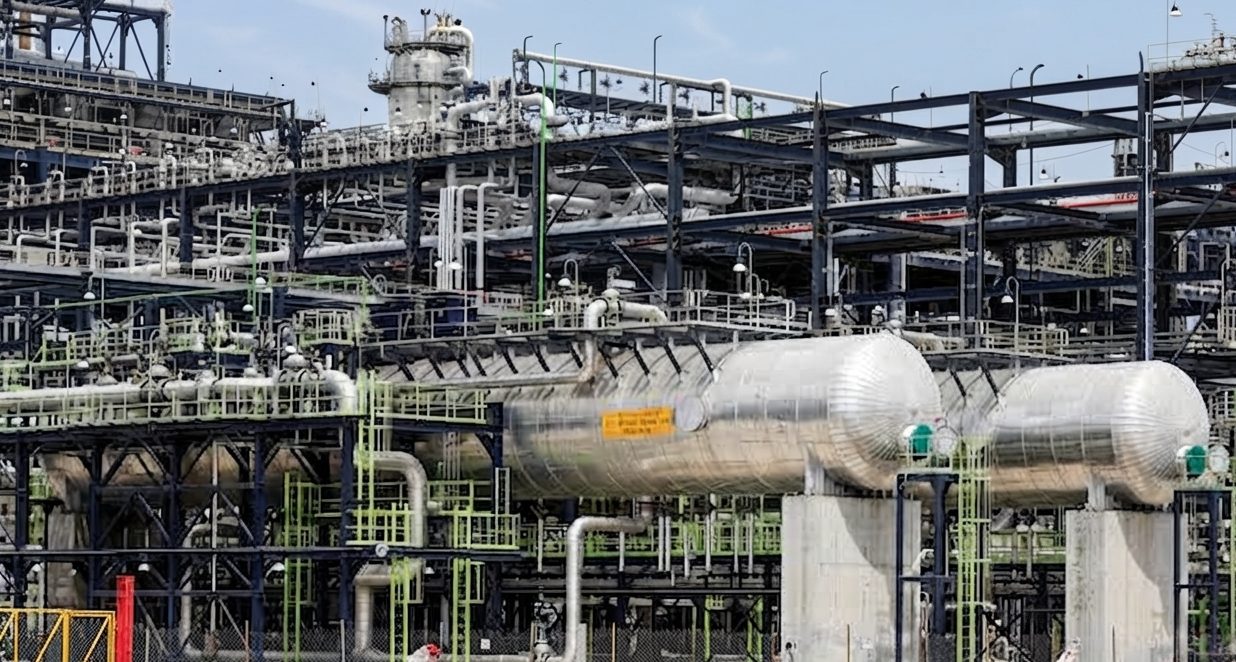
Nigeria is navigating an unexpected hurdle in its pursuit of an energy revolution because a severe lack of feedstock threatens to stall the expansion of domestic refining capacity. As Africa’s largest oil producer, the nation has long championed local processing initiatives designed to eliminate heavy reliance on imported petroleum products while maximizing the financial value generated from abundant hydrocarbon reserves. This movement achieved its most visible milestone with the recent launch of the Dangote Refinery, an engineering marvel designed as one of the largest single-train processing facilities globally with a massive capacity of 650,000 barrels per day.
Despite commanding vast underground wealth, the country faces immense friction in securing enough oil to fuel these new industrial plants. Decades of systemic neglect, rampant oil theft, recurring pipeline sabotage, and an overall decline in national output have severely restricted the volume of petroleum left available for domestic processing. Furthermore, many pre-existing long-term export commitments lock up a major portion of daily production quotas, making it extremely difficult to prioritize feeding the rapidly growing network of local refineries.
Nigeria has committed substantial financial resources toward refining its own resources, yet its flagship industrial facility still finds itself forced to contemplate sourcing feedstock from foreign international markets just to keep operations running smoothly. Addressing these friction points, Gbenga Komolafe, Chief Executive of the Nigerian Upstream Petroleum Regulatory Commission, stated that any producer that diverts crude designated for domestic refineries without the express permission of the Commission will be in breach of the law and may be denied an export permit for the intended crude cargo. This regulatory stance highlights that unless national production scales up significantly, strict enforcement of domestic supply obligations will remain mandatory.
To overcome this structural barrier, Nigeria must urgently increase overall oil output and rigidly enforce supply regulations so that local refineries can operate without interruption and drastically reduce import dependency.
Boardroom Voices Africa Insight
The friction between export commitments and domestic feedstock allocation exposes a critical governance test for energy stakeholders across the continent. True industrialization requires aligning legal frameworks with operational realities, ensuring that national wealth creation starts firmly at home before serving external markets.