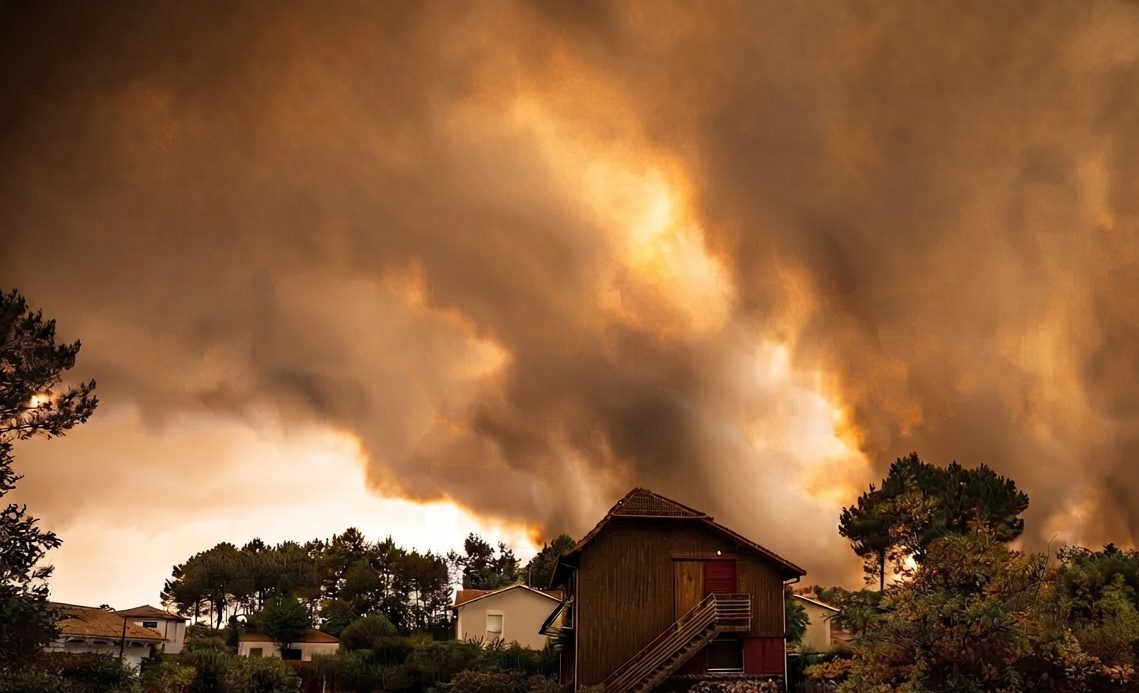
The recent wave of aggressive wildfires tearing through the southwestern corner of France has ignited deep concerns far beyond the immediate environmental damage, prompting high-level warnings about a severe economic downturn for the affected territory. As firefighters and local emergency services continue to battle the ferocious blazes fueled by relentless summer heatwaves and dry winds, national leaders are tallying the profound financial toll. French authorities note that the destruction goes well beyond scorched earth, threatening local commerce, tourism, and foundational supply chains in a zone already grappling with prior fiscal pressures.
During a recent briefing on the developing crisis, French Finance Minister Roland Lescure addressed the unfolding situation with stark candor, categorizing the natural disaster as a sudden and disruptive economic shock. The minister emphasized that while emergency response teams remain entirely focused on preserving human life and containing the physical spread of the flames, financial analysts must simultaneously prepare for the lingering fiscal aftermath. Local businesses, agricultural producers, and hospitality operators face mounting uncertainty during what is traditionally considered the most lucrative period of the year for the regional economy.
The timing of these environmental catastrophes compounds existing vulnerabilities across European markets. Coming on the heels of broader international energy anxieties and fluctuating macroeconomic indicators, regional shocks of this magnitude threaten to derail small and medium enterprises that lack the capital reserves to weather prolonged closures. Tourism revenue, a vital economic engine for southwestern France during the peak summer holiday season, has taken an immediate hit as thousands of visitors are forced to evacuate popular destinations. Canceled bookings, disrupted transport routes, and smoke-damaged vineyards are creating a cascading effect that will likely show up clearly in upcoming quarterly fiscal reports.
Economic planners point out that localized disasters of this scale frequently expose the fragility of rural and semi-urban commercial networks. When core industries like viticulture, forestry, and tourism are simultaneously paralyzed, the local tax base shrinks rapidly just as municipal expenditures for disaster relief and infrastructure repair spike. Minister Lescure underscored that national authorities are monitoring the situation closely to determine what targeted interventions may be required once the fires are fully extinguished. However, fiscal constraints at the national level mean that any systemic rescue packages will need to be carefully calibrated to avoid exacerbating broader inflationary pressures or widening the national deficit.
Business leaders and trade associations within the affected districts have begun calling for emergency state backing, short-term tax relief, and specialized loan structures to keep solvent businesses from going under. The challenge for policymakers will be balancing immediate disaster relief with long-term structural reforms designed to make regional economies more resilient against the growing frequency of climate-fueled emergencies. As the smoke clears from the latest hotspots, the true economic dimension of the disaster will become much clearer, leaving regional stakeholders to rebuild not just physical infrastructure, but consumer and investor confidence as well.
Boardroom Voices Africa Insight
This situation serves as a stark reminder for emerging and developed markets alike regarding the intersection of environmental risk and corporate resilience. As climate events grow more frequent and severe, business leaders must integrate climate-induced supply chain disruptions and localized economic shocks directly into their core risk management and continuity frameworks. Economic vulnerability is no longer just a matter of market volatility; physical geography and environmental exposure now play an equally decisive role in determining long-term corporate viability and regional economic stability