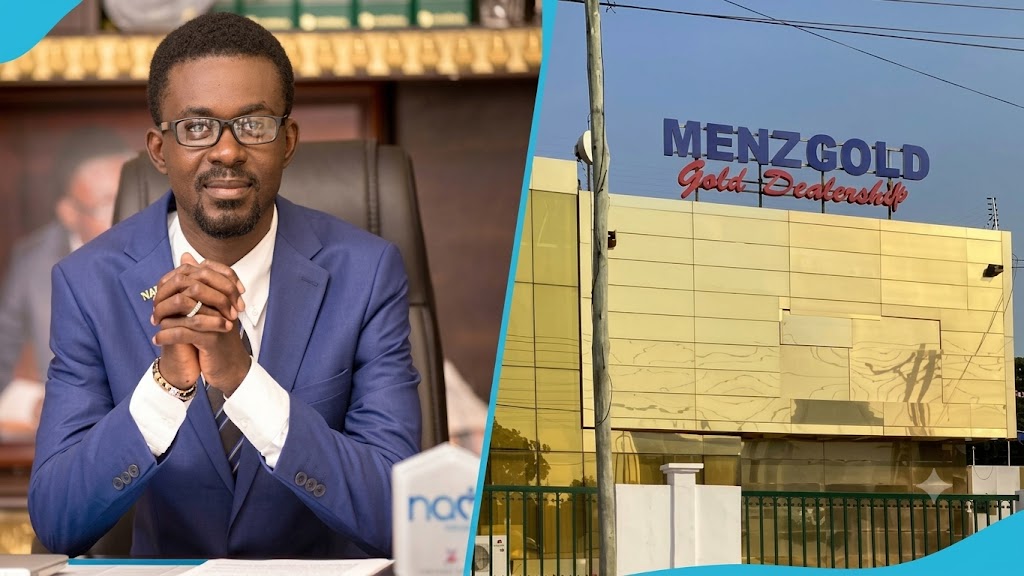
The high-profile trial of Nana Appiah Mensah, widely known as NAM1, along with his companies Menzgold Ghana Limited and Brew Marketing Consult Limited, reaches a definitive milestone at the Accra High Court on July 13. The court previously directed the defense to file all proposed evidence, witness statements, and audio-visual exhibits following a brief extension to prepare their disclosures. At the heart of the matter, the State alleges that between 2016 and 2019, Menzgold and Brew Marketing Consult operated an unlicensed gold buying and deposit-taking scheme under the guise of legitimate gold trading. Over 16,000 eager depositors were enticed with promised returns of 7% to 10% monthly, ultimately leading to unrecovered losses estimated at a staggering GH¢1.68 billion.
NAM1 and his affiliated companies now face 35 active counts out of 39 initial charges, spanning major offenses such as selling gold without a license, operating an unauthorized deposit-taking business, defrauding by false pretense, fraudulent breach of trust, and money laundering. Maintaining his innocence, NAM1 testifies that his companies held legal incorporation and authorization to engage in gold purchasing, value addition, and export. The defense strongly argues that severe operational disruptions occurred only after the Securities and Exchange Commission shutdown and subsequent police preservation of corporate premises, which effectively hampered the retrieval of essential documentation.
Conversely, prosecutors assert that Brew Marketing Consult was used as a vehicle to sell gold and gold collectibles while Menzgold systematically mobilized unauthorized public deposits. State evidence points to significant transfers of depositor funds to linked entities, including Zylofon Media, alongside substantial personal withdrawals. The case arrived at this pivotal defense stage after the prosecution closed its case featuring nine witnesses and over 160 exhibits, prompting the High Court to dismiss a defense submission of no case upon finding sufficient prima facie evidence to require NAM1 to open his defense.
Boardroom Voices Africa Insight
The ongoing prosecution of Nana Appiah Mensah offers crucial lessons for board directors, regulators, and executive leadership across Africa.
First and foremost, regulatory compliance is an absolute operational imperative because the statutory boundary between commercial trading and deposit-taking remains incredibly sharp. Entities attempting to blend nontraditional investment yields with commodity trading must establish clear compliance structures from inception, as operating within ambiguous regulatory grey zones creates severe liability for directors and key managers alike. Furthermore, risk mitigation in high-yield business models is critical, given that unusually high, guaranteed monthly returns on commodity-backed deposits are inherently unsustainable without transparent balance sheet backing. This reality dictates that boards must subject disruptive financial products to rigorous stress testing and independent audits before any public launch.
Ultimately, the entire crisis underscores the absolute necessity of institutionalizing corporate governance. The Menzgold collapse vividly highlights the dangers of key-person dependency, where executive authority is heavily concentrated without independent board oversight or effective risk committees. Building sustainable enterprise value relies entirely on independent board members capable of challenging executive decisions, maintaining a clear separation between parent companies and affiliate ventures to prevent unmonitored inter-company fund transfers, and ensuring transparent financial reporting aligned with national regulatory frameworks. As capital markets across Africa mature under initiatives like the African Continental Free Trade Area, institutional investors will increasingly penalize governance gaps. The Menzgold proceedings serve as a stark reminder that executive leadership and board oversight must go hand-in-hand with strict regulatory adherence to protect enterprise longevity and shareholder value.