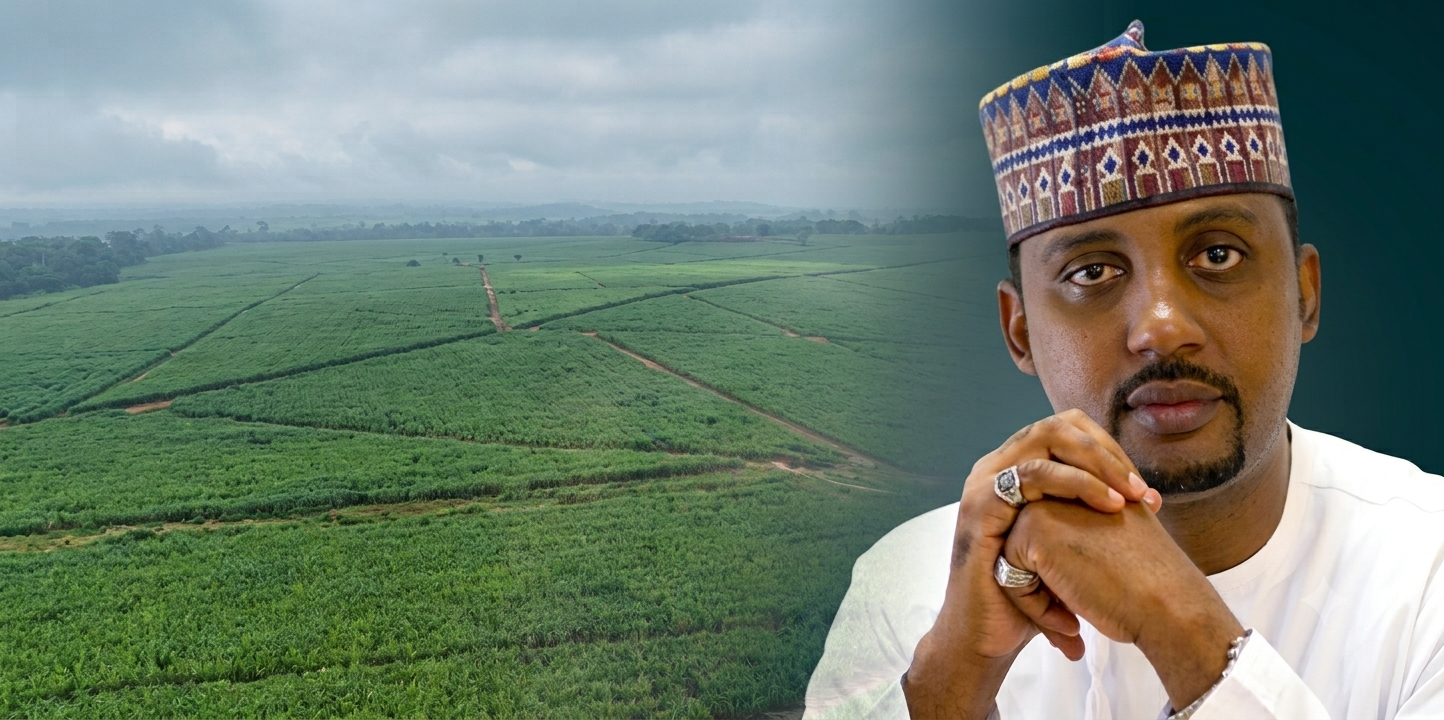
A quiet revolution is brewing in Central Africa, signaling a massive shift in how local markets define self-reliance. Cameroonian business tycoon Nassourou Issa is launching a definitive challenge against one of the most deeply entrenched foreign monopolies on the continent. Through his conglomerate, the NASCO Group, Issa has initiated a bold 100 million dollar project to construct a massive sugar refinery designed to fundamentally rewrite the rules of regional agribusiness.
For decades, the processed sugar sector in Cameroon has been the exclusive playground of the billionaire French Castel family. Operating via their agro-industrial arm, Somdia, and its local subsidiary, Société Sucrière du Cameroun, the Castel empire has comfortably maintained its status as the undisputed market leader. Producing between 120,000 and 160,000 tons of sugar annually, the incumbent has long held the reins of supply, leaving Cameroon structurally vulnerable to deficits.
Issa is capitalizing on a rare moment of corporate vulnerability. Somdia recently signaled its intention to exit the Cameroonian sugar market, putting its dominant 88.36 percent stake in the local subsidiary up for sale. This pending exit has triggered significant internal friction within the Castel family dynasty, opening a commercial window that the NASCO Group is eager to exploit.
The ambition of this domestic play is staggering. The planned refinery is designed to produce 300,000 tons of refined sugar annually by 2028. This output would not only eclipse the historic production of the incumbent but also effectively match Cameroon’s total national demand. Currently, the government is forced to authorize expensive foreign imports to bridge the domestic supply gap. If Issa executes his blueprint, the new facility could eliminate import dependency entirely, positioning a homegrown enterprise at the very core of the economy.
Financiers are taking the bet seriously. Moving beyond mere rhetoric, the NASCO Group has secured heavy institutional backing to kickstart civil engineering and groundwork. French banking giant Société Générale has stepped up to arrange a syndicated loan, partnering alongside a prominent local lender, CCA Bank. This robust alliance between international and local finance gives the project the institutional weight required to mount a genuine corporate challenge.
However, the road ahead presents steep operational realities. Building a 100 million dollar processing facility is a triumph of financing, but running it at peak capacity requires an immense upstream supply chain. The incumbent spent decades cultivating expansive sugarcane plantations across the Upper Sanaga region. For the NASCO Group to meet its aggressive 2028 timeline, it must rapidly establish an unprecedented agricultural network of raw sugarcane farmers from scratch.
The coming months will test whether local capital can successfully navigate these complex logistics. With construction underway, African industrial observers are watching closely to see if this domestic challenger can truly reshape the market.
Boardroom Voices Africa Insight
This corporate showdown highlights a broader macro trend sweeping across the continent. African capital is no longer content with serving as the junior partner to historic European multinationals. By leveraging local banking syndicates alongside global financial institutions, homegrown tycoons are aggressively capturing critical industrial nodes. The real battleground for the NASCO Group will not be the boardroom or the factory floor, but the agricultural supply chain. If local networks can scale up to meet processing demands, this project will serve as a powerful blueprint for true economic sovereignty across Central Africa.