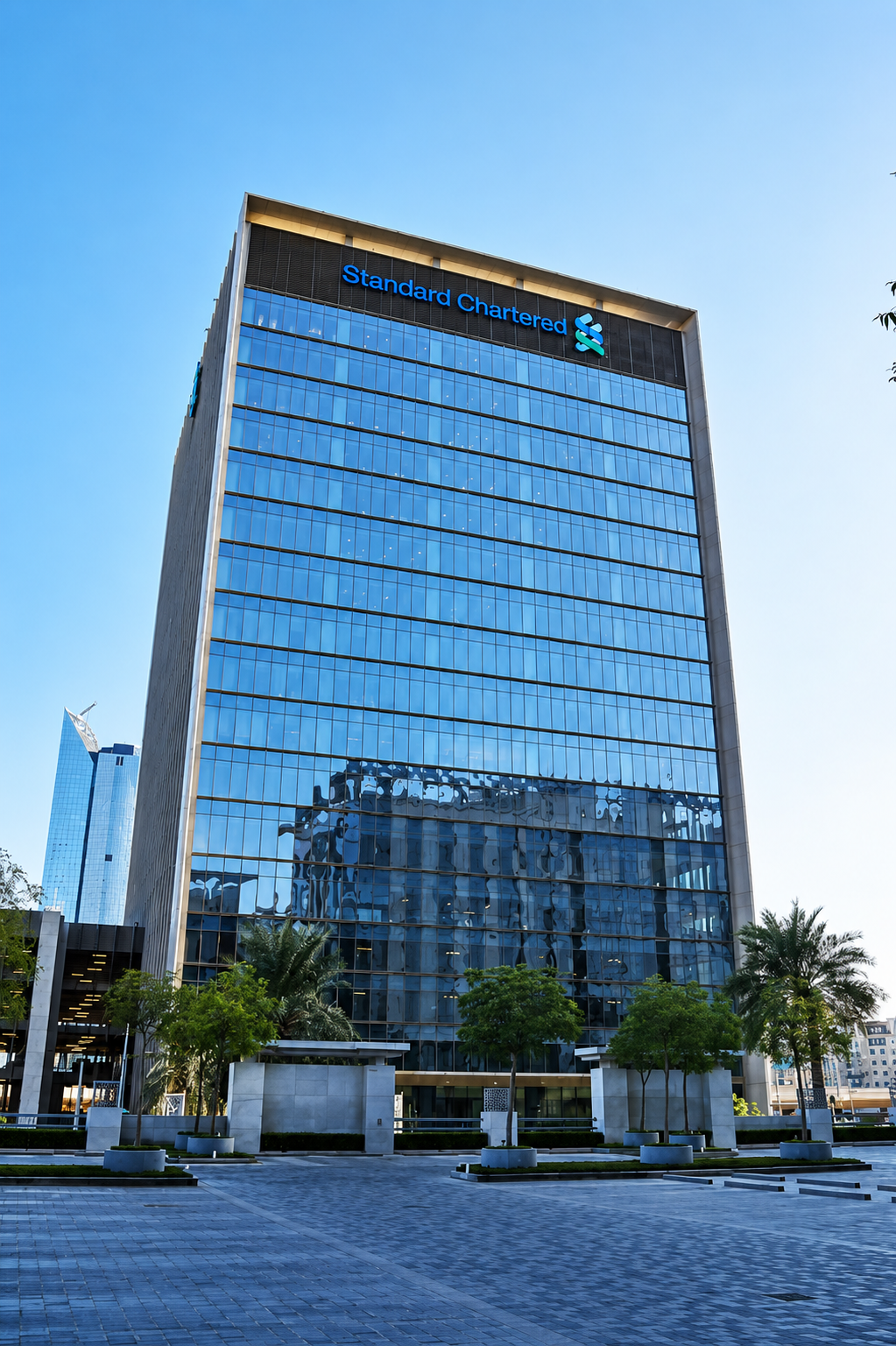
Bank Sees Renewed Confidence as African Markets Strengthen Economic Policies
Global banking giant Standard Chartered says international investors are once again turning their attention to Africa, driven by improving economic reforms, greater fiscal discipline, and stronger macroeconomic policies across several countries.
According to the bank, governments that have implemented currency reforms, improved public finances, strengthened regulatory frameworks, and enhanced investor protections are beginning to restore confidence among foreign investors. The renewed optimism is expected to support capital inflows, infrastructure financing, private sector growth, and long term economic development.
For Africa, the message is encouraging: policy reforms are increasingly translating into investment opportunities and stronger business confidence.
Why Investors Are Returning
Over the past few years, several African economies have introduced reforms aimed at improving macroeconomic stability and creating a more business friendly environment.
These include:
- Currency and foreign exchange reforms.
- Fiscal consolidation and debt management.
- Improved monetary policies.
- Stronger financial sector regulation.
- Enhanced investment and business policies.
- Greater transparency in public finance.
According to Standard Chartered, these reforms are helping restore investor confidence in key African markets and positioning the continent for renewed growth.
Opportunities for African Businesses
A return of foreign investment could unlock significant opportunities across multiple sectors, including:
- Financial services.
- Infrastructure.
- Manufacturing.
- Energy.
- Agriculture.
- Mining.
- Technology and fintech.
- Telecommunications.
- Healthcare.
Higher investment levels can also stimulate job creation, improve access to capital, and support business expansion across the continent.
Market Analysis
Global investors are increasingly seeking high growth markets, and Africa’s young population, expanding middle class, abundant natural resources, and accelerating digital transformation continue to make the continent an attractive destination.
While global economic uncertainty remains, countries that maintain sound economic policies and political stability are likely to attract the largest share of investment.
For investors, Africa represents a long term growth story built on urbanization, infrastructure development, digital innovation, and regional trade through the African Continental Free Trade Area (AFCFTA).
Leadership Driving Economic Recovery
Economic reform requires strong and decisive leadership.
Governments that prioritize:
- Policy consistency.
- Regulatory certainty.
- Private sector engagement.
- Fiscal responsibility.
- Infrastructure development.
are creating stronger foundations for sustainable economic growth.
Business leaders also play a critical role by investing in innovation, improving productivity, and building globally competitive companies.
Corporate Governance Attracts Capital
Investor confidence depends not only on economic reforms but also on strong corporate governance.
Institutional investors increasingly favor companies that demonstrate:
- Transparent financial reporting.
- Independent and effective boards.
- Strong environmental, social, and governance (ESG) practices.
- Effective risk management.
- Regulatory compliance.
- Ethical leadership.
African businesses with strong governance frameworks are better positioned to attract both domestic and international investment.
Boardroom Voices Africa Insight
Standard Chartered’s positive outlook reflects a growing belief that Africa is entering a new phase of economic opportunity.
While challenges remain, improving policy reforms and stronger governance are helping restore confidence among global investors.
For African businesses, this is the time to strengthen operations, improve governance, embrace innovation, and position themselves for long term growth.
As investment returns to the continent, companies that combine visionary leadership with operational excellence will be best placed to capitalize on Africa’s next economic chapter.