South Africa’s longstanding debate over immigration has taken center stage once again as protests against migrants spread across several parts of the country. While demonstrators argue that undocumented migrants fuel unemployment and rising crime, economists and local business owners point out that the reality is far more complex.
These demonstrations have already disrupted daily commerce in several communities, sparking fresh worries about the nation’s investment climate. Shops have shuttered temporarily, employees have stayed home out of fear for their safety, and some foreign-owned businesses were forced to halt operations entirely. Though the unrest is largely fueled by genuine frustration over the soaring cost of living and scarce jobs, analysts warn that targeting migrant workers could backfire, damaging the very economy people are trying to protect.
Reports from Reuters highlight how vital migrant labor is to core sectors like construction, agriculture, transport, retail, and hospitality. Many of these industries face persistent labor shortages, relying on a mix of local and foreign workers to keep running. Beyond providing labor, migrants run thousands of small businesses that pump money directly into township economies through rent, local taxes, and job creation.
It is no secret that South Africa is grappling with one of the highest unemployment rates in the world, a crisis that hits young people the hardest. With stable jobs so scarce, immigration has naturally become a highly emotional, politically charged flashpoint. Yet economists repeatedly point out that the jobs crisis stems from deep structural failures such as chronic energy shortages, sluggish economic growth, and a lack of industrial expansion rather than the presence of foreign workers alone.
The fallout also reaches far beyond South Africa’s borders. As a dominant economic powerhouse and a key player in the African Continental Free Trade Area, the country’s internal stability is watched closely by its neighbors. Extended periods of unrest risk denting investor confidence and could severely complicate broader efforts to boost regional trade and integration.
While government officials promise to tighten immigration enforcement while upholding human rights, business coalitions are calling for pragmatic solutions that address unemployment without crippling industries dependent on migrant labor.
Ultimately, the current tension highlights a delicate balancing act. South Africa must address the legitimate anxieties of its citizens while keeping its doors open to the investment and regional cooperation needed to drive growth. How leadership handles this tightrope walk will shape not just the country’s economic future, but the wider conversation around migration and unity across the continent.
The Boardroom Voices Africa Perspective
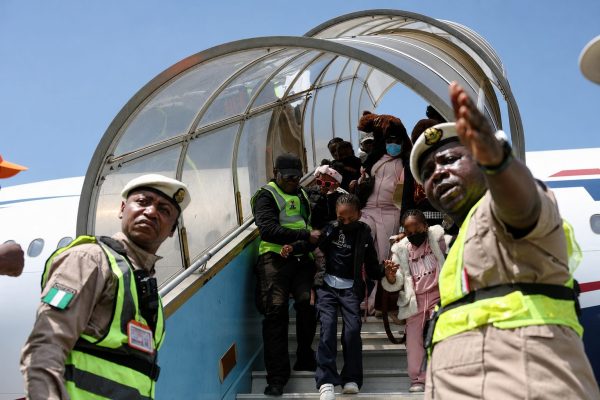
Expanding on this dialogue, a recent analysis by Boardroom Voices Africa highlights that these localized tensions have profound continental ramifications. The publication points out that escalating friction and subsequent repatriations are a stark warning for both business leaders and policymakers across the region.
According to their insight, true stability cannot be achieved through isolation or crackdowns. Instead, corporate leaders and governments must collaborate to drive inclusive economic growth that protects diaspora communities and creates sustainable opportunities locally. As labor mobility increases across the continent, the path forward relies on creating regional environments where talent can thrive safely and productively. Ultimately, a prosperous Africa depends on making migration a deliberate choice born of opportunity, rather than a desperate flight driven by necessity.