Nigeria’s National Oil Company Balances Higher Output Against Market and Operational Pressures
Nigeria’s state owned energy giant, the Nigerian National Petroleum Company Limited (NNPC Ltd.), recorded a profit of ₦462 billion in May, even as the country’s crude oil production climbed to its highest level in a year.
The figures highlight a growing reality in Africa’s energy sector: increasing production does not always translate into higher profitability. While Nigeria is producing more crude, global oil price fluctuations, operational costs, refinery investments, exchange rate pressures, and domestic supply obligations continue to influence the company’s financial performance.
For investors, policymakers, and industry stakeholders, the latest results provide a clearer picture of the opportunities and challenges facing Africa’s largest oil-producing economy.
Production Reaches a One Year High
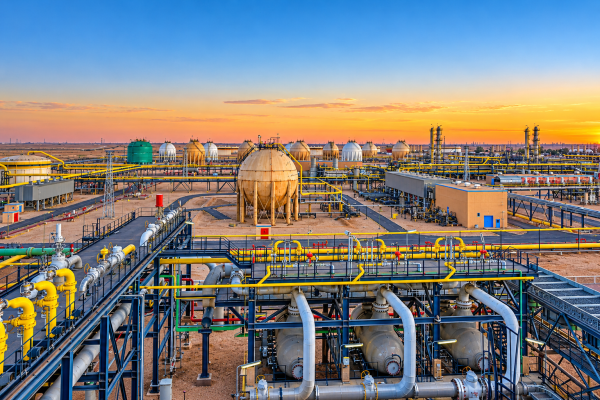
Nigeria’s crude oil output has shown signs of recovery after years of disruptions caused by pipeline vandalism, crude theft, underinvestment, and operational setbacks.
Higher production reflects ongoing efforts to improve security around oil infrastructure, restore output from key fields, and strengthen collaboration between government agencies and industry operators.
The increase is significant because higher production boosts export capacity, improves foreign exchange earnings, and enhances Nigeria’s ability to meet global energy demand.
For an economy where oil remains a major source of government revenue, sustained production growth is a positive signal for fiscal stability.
Why Profit Declined Despite Higher Output
Although production increased, profitability came under pressure due to several factors.
Global crude oil prices have been more volatile, affecting revenue from exports. At the same time, NNPC continues to invest heavily in infrastructure, including refinery operations, pipeline rehabilitation, and gas development projects.
Operational expenses, financing costs, and the impact of exchange rate movements also weighed on earnings.
In addition, supplying crude to domestic refineries, including the Dangote Refinery, as part of Nigeria’s energy security strategy can influence short-term financial performance while supporting long term economic objectives.
The figures demonstrate that profitability in the energy industry depends on much more than production volumes alone.
The Bigger Picture for Nigeria’s Energy Sector
NNPC’s performance comes at a critical time as Nigeria seeks to reform its oil and gas industry.
The government is working to attract new investment, increase production to meet budget targets, expand gas infrastructure, and reduce dependence on imported refined petroleum products.
The continued ramp-up of domestic refining capacity, led by projects such as the Dangote Refinery and the rehabilitation of state owned refineries, is expected to reshape Nigeria’s downstream energy market over the coming years.
If successfully implemented, these reforms could improve energy security, conserve foreign exchange, create jobs, and strengthen industrial development.
Investor Confidence and Corporate Governance
Since transitioning into a commercially focused limited liability company under the Petroleum Industry Act (PIA), NNPC has placed greater emphasis on transparency, financial reporting, and operational efficiency.
Regular publication of operational and financial performance has become an important step toward improving corporate governance and building investor confidence.
As Africa’s largest national oil company, NNPC’s ability to maintain profitability while investing in long-term growth will remain closely watched by both domestic and international investors.
Strong governance, disciplined capital allocation, and operational efficiency will be critical as the company competes in an increasingly complex global energy market.
Implications for Africa
Nigeria’s energy sector remains central to Africa’s economic landscape.
Higher oil production supports export earnings, regional energy supply, and investment opportunities across exploration, refining, logistics, and petrochemicals.
However, the latest results also reinforce an important lesson for resource rich economies: sustainable growth depends not only on extracting more resources but also on improving efficiency, managing costs, and creating greater value across the energy value chain.
As African countries pursue industrialisation and energy transition strategies, balancing profitability with long-term investment will become increasingly important.
Boardroom Voices Africa Insight
NNPC’s latest performance underscores a fundamental business principle: growth in output does not automatically guarantee growth in profits.
For corporate leaders across Africa, the lesson extends beyond the energy sector. Sustainable success requires disciplined execution, strong governance, efficient operations, and strategic investment.
As Nigeria works to strengthen its energy industry, the focus must remain on building a resilient and globally competitive national oil company capable of delivering value for shareholders, government, and the wider economy.
The next phase of Africa’s energy story will not be defined solely by how much oil is produced but by how effectively that production is converted into lasting economic value.