The narrative surrounding West African energy has shifted from chronic underperformance to a masterclass in operational recovery. According to the latest data from the Nigerian Upstream Petroleum Regulatory Commission, the nation has achieved a landmark milestone that reestablishes its dominance on the continent. In June, the country produced its highest volume of crude oil since April 2020, ending a long period of infrastructure vulnerabilities and structural declines.
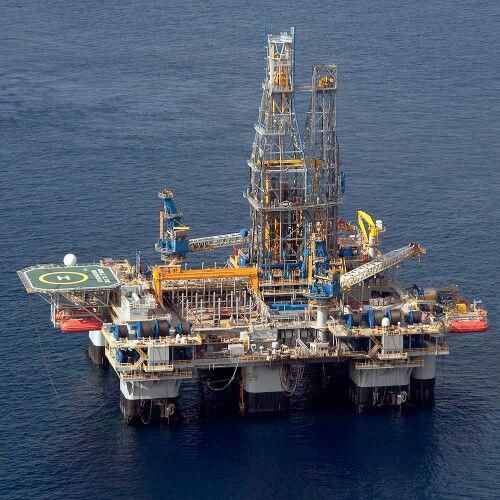
Africa’s largest oil producer delivered an average of 1.56 million barrels of crude oil per day throughout June. When accounting for condensates, which are exempt from international supply curbs, the total liquids volume reached an impressive 1.73 million barrels per day. This performance represents a steady month on month increase and marks the fourth consecutive month of robust volume growth.
The significance of these numbers goes beyond simple volume expansion. By averaging 1.56 million daily barrels of strict crude, the country achieved 104 percent compliance with the production limit set by the Organization of the Petroleum Exporting Countries. For a country that frequently fell short of its international allocations in recent years, this surplus shows a notable turnaround.
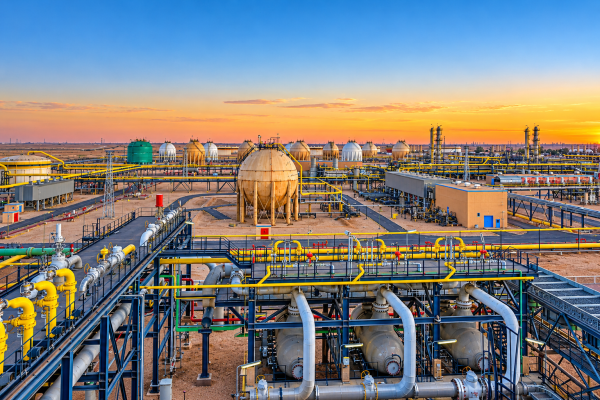
Data from major export terminals indicates that the recovery is widespread across the sector. The Bonny Terminal led the expansion by increasing its output to 318,280 barrels per day. The Forcados Terminal followed closely, raising its daily average to 306,360 barrels. While some assets like the Qua Iboe Terminal experienced minor dips, the broader operational landscape remained highly resilient. The regulator reported that peak production during the month actually touched 1.89 million barrels per day. This peak demonstrates that the infrastructure can support higher volumes, bringing the federal government’s medium term target of 2 million barrels per day within realistic reach.
This performance is primarily the result of operational stability. The regulatory commission noted that the month was characterized by an absence of major pipeline outages and infrastructure disruptions, which have historically caused significant losses. Improved security measures and better collaboration between private operators, local communities, and state authorities have helped secure critical transit pipelines. Furthermore, operators managed scheduled turnaround maintenance projects efficiently, allowing facilities to undergo necessary upgrades without causing major drops in national output.
This operational consistency has significantly enhanced crude evacuation efficiency, ensuring that extracted volumes reach international markets smoothly. The resulting increase in production uptime is providing vital foreign exchange inflows and boosting government revenue at a critical period of economic transition.
Boardroom Voices Africa Insight
The June production surge is a clear victory for regulatory oversight and corporate resilience, yet it brings a strategic challenge. Relying on the absence of pipeline disruptions highlights how much the economy depends on infrastructure that remains vulnerable. Achieving 104 percent OPEC compliance provides immediate fiscal relief, but true energy security requires institutionalizing these operational gains.
For institutional investors and boards across the continent, this turnaround proves that targeted security interventions and strict asset maintenance yield clear financial returns. Moving forward, the goal must change from simply maintaining current production levels to modernizing downstream infrastructure and expanding local refining capacity. Only by taking these steps can the continent shield its most vital revenue engine from localized shocks and global market volatility.