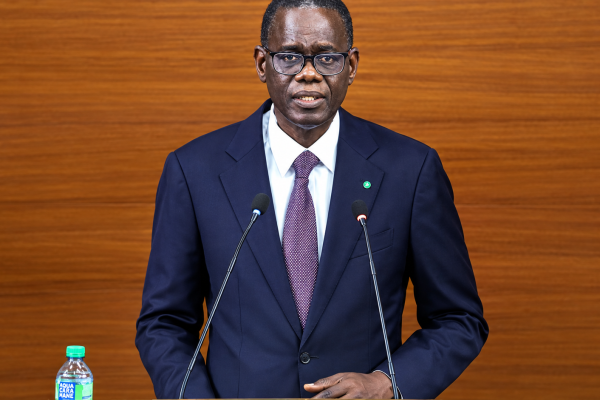
An extraordinary economic transformation is taking shape across southeastern Africa as the government of Mozambique firmly establishes its commitment to a monumental fifty billion dollar liquefied natural gas pipeline. Addressing business leaders and global energy executives during the high-profile Mozambique CEO Summit in Maputo, President Daniel Chapo outlined an ambitious vision to convert the nation’s massive offshore wealth into sustainable domestic prosperity. Anchored by more than one hundred trillion cubic feet of rich natural gas reserves tucked inside the Rovuma Basin, the country is rapidly accelerating its journey from a regional discovery site into a powerhouse global energy hub.
The sweeping financial commitment covers several colossal undertakings that are set to redefine the continent’s industrial landscape. Among these flagship developments are the operational Eni-led Coral South floating facility alongside its planned Coral North counterpart, the TotalEnergies-driven Mozambique LNG venture, and ExxonMobil advancing its Rovuma development toward a final investment decision. Together, these mega projects boast a combined production capacity exceeding forty million tons per annum. State officials emphasize that this vast network of extraction and distribution infrastructure will provide the essential foundation to position Mozambique as a premier regional center for energy production while aggressively driving national industrialization.
Yet government leadership made it explicitly clear that extracting raw hydrocarbons is only part of the equation. During his keynote address, President Chapo challenged international operators and domestic enterprises alike to ensure that these multi-billion-dollar investments yield tangible rewards for ordinary citizens. The administration is urging project developers to prioritize comprehensive workforce training programs and integrate local suppliers deeply into global supply chains. By fostering higher levels of technical expertise and professional capacity, the country aims to prevent the resource curse that has historically plagued resource-rich developing nations, ensuring instead that local contractors and small businesses claim a rightful stake in the boom.
Central to this inclusive strategy is the recent implementation of updated local content legislation alongside targeted amendments to petroleum and mining frameworks. Rather than viewing these regulations merely as administrative hurdles, state officials frame them as critical catalysts for corporate capacity building and technology transfer. The government is concurrently working to streamline bureaucratic procedures and slash red tape to cultivate an intensely welcoming climate for foreign direct investment. Industry stakeholders, including the African Energy Chamber, have applauded these aggressive regulatory reforms, noting that policy clarity and stability remain absolute prerequisites for attracting the capital necessary to eradicate energy poverty across the continent.
As construction peaks and future production targets draw closer, the broader international market continues to watch closely. With European nations seeking diversified energy supplies and Asian consumption rising steadily, Mozambique stands ready to supply critical resources to a hungry global market. However, the true legacy of this fifty billion dollar gamble will not be measured solely by export volumes or grand shipping manifests. Instead, its ultimate success will depend on how effectively the nation translates temporary construction expenditures into permanent, globally competitive domestic industries that can power East Africa for generations.
Boardroom Voices Africa Insight
Mozambique is charting a vital blueprint for resource governance by refusing to treat local content as an afterthought. For African energy markets to truly mature, nations must leverage massive foreign capital not just for export revenues, but as a deliberate training ground to build resilient, self-sustaining domestic ecosystems that outlive the extraction cycle.