Morocco is targeting annual aerospace exports of $5 billion within three years, up from $3 billion in 2025, as the North African country attracts new suppliers and expands into higher-value aircraft manufacturing.
The growth ambition reflects Morocco’s strategy to move beyond producing individual aircraft components towards manufacturing complex aerospace systems, strengthening its position in the global aviation supply chain.
According to Mohammed Bellatig, head of the Moroccan aerospace industry association GIMAS, the sector currently employs around 25,000 people across approximately 160 companies, including suppliers serving global aviation manufacturers such as Airbus, Boeing and Safran.
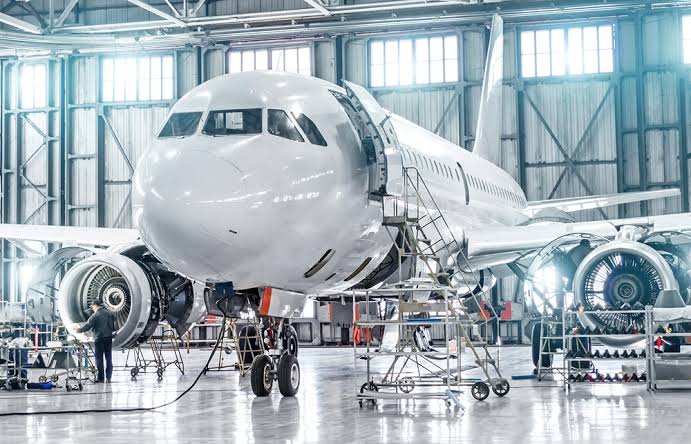
Speaking to Reuters on the sidelines of the Marrakech Airshow, Bellatig said the next phase of development would focus on assembling aircraft engines and landing gear locally, allowing the country to capture a greater share of the value generated by aerospace manufacturing.
Safran Expands Manufacturing Footprint
French aerospace and defence group Safran is strengthening its presence in Morocco through investments in facilities for aircraft landing gear production and Airbus jet engine assembly.
These projects are expected to support Morocco’s ambition to develop more advanced manufacturing capabilities, attract additional international suppliers and deepen the involvement of local companies in global aerospace production networks.
By expanding domestic manufacturing capacity, Morocco hopes to increase the economic value retained within its borders while creating opportunities for skilled employment and industrial technology transfer.
Morocco Eyes Opportunities in Drone Manufacturing
Beyond commercial aviation, Morocco is seeking to establish a stronger position in the drone industry, which officials view as a natural extension of the country’s existing aerospace expertise.
Bellatig said the sector could build on local capabilities in materials, engineering and aircraft assembly to support the development of unmanned aerial systems.
At the October 7–10 Marrakech Airshow, Morocco signed a memorandum of understanding with French defence startup Harmattan AI to manufacture autonomous drones designed for deep-strike missions at ranges of up to 2,000 kilometres. The agreement also envisages developing and producing key technologies locally.
Moroccan authorities have also issued licences for several domestic and foreign-backed drone projects, including initiatives involving Turkish manufacturer Baykar, known for its Bayraktar TB2 drone.
A Bigger Role in Global Aerospace Supply Chains
Morocco’s aerospace ambitions form part of a broader effort to diversify its industrial base, attract foreign investment and develop manufacturing activities with higher technological and economic value.
Reaching the $5 billion export target will depend on continued investment, the expansion of local supplier networks and the successful transition into more complex aerospace systems.
If achieved, the target would mark a significant increase in export earnings and reinforce Morocco’s position as an emerging manufacturing hub linking international aerospace companies with production capabilities in Africa.