Libya is positioning itself for a major resurgence in global energy markets as the North African nation sets its sights on securing up to $40 billion in vital external investment. As home to the largest proven crude reserves on the African continent, the country is moving aggressively to unlock massive underground potential that has remained dormant amid years of domestic political fracture.
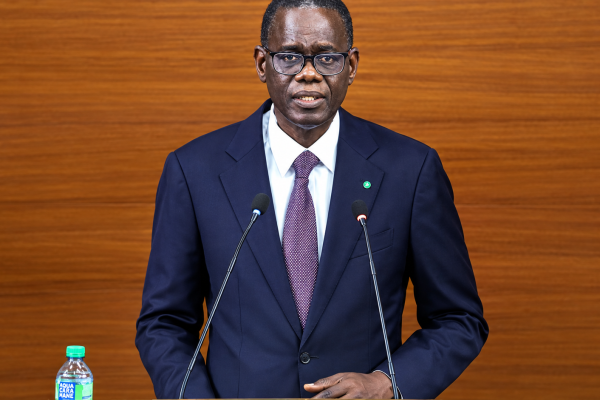
Masoud Suleman, chairman of the state-owned National Oil Corporation, revealed that the ambitious funding drive aims to pull between $30 billion and $40 billion into the domestic petroleum sector. The primary objective centers on boosting current crude output from approximately 1.4 million barrels per day up to a targeted 2 million barrels daily by the year 2030. Industry analysts note that achieving this goal requires substantial capital injections to revive fields that have sat idle despite global demand.
The National Oil Corporation points to a massive backlog of untapped potential, noting that more than 60 oil and gas fields have already been discovered off the Libyan coast but require total field development before commercial pumping can begin. While international operators such as Eni, TotalEnergies, Chevron, and ConocoPhillips maintain a nominal presence in the region, broader capital deployment has historically stuttered due to lingering regulatory hurdles, bureaucratic inertia, and a lack of liquidity within state coffers.
To overcome these financing roadblocks, leadership in Tripoli is evaluating structural shifts in how contracts are awarded to foreign partners. Under traditional production sharing arrangements, the state corporation carries the burden of financing its designated share of development expenditures. Delays in government budget allocations frequently stall active projects, prompting discussions around returning to classic concession-style frameworks where international energy firms shoulder a heavier share of initial upfront costs.
Security remains a primary talking point for prospective global financiers. Recent localized flare-ups and infrastructural disruptions in western regions have served as reminders of the complex security matrix facing operators on the ground. However, energy executives emphasize that the core upstream development sites targeted under this new financial push are situated well outside active zones of tension and remain under heavy security oversight.
With global crude markets continually seeking stable supply corridors, Libya’s renewed push for capital represents one of the most significant upstream plays in modern African energy development. Whether international boardrooms will commit large-scale checks depends heavily on the execution of these updated contractual terms and the enduring stability of the country’s export infrastructure.
Boardroom Voices Africa Insight
Libya’s capital raise highlights a crucial turning point for African hydrocarbon strategy. For international investors, the $40 billion target offers a high-risk and high-reward proposition centered on proven assets rather than wildcat exploration. Success relies entirely on the National Oil Corporation’s ability to decouple commercial oil operations from the nation’s broader political divisions, ensuring that contractual terms remain insulated from domestic governance disputes.