
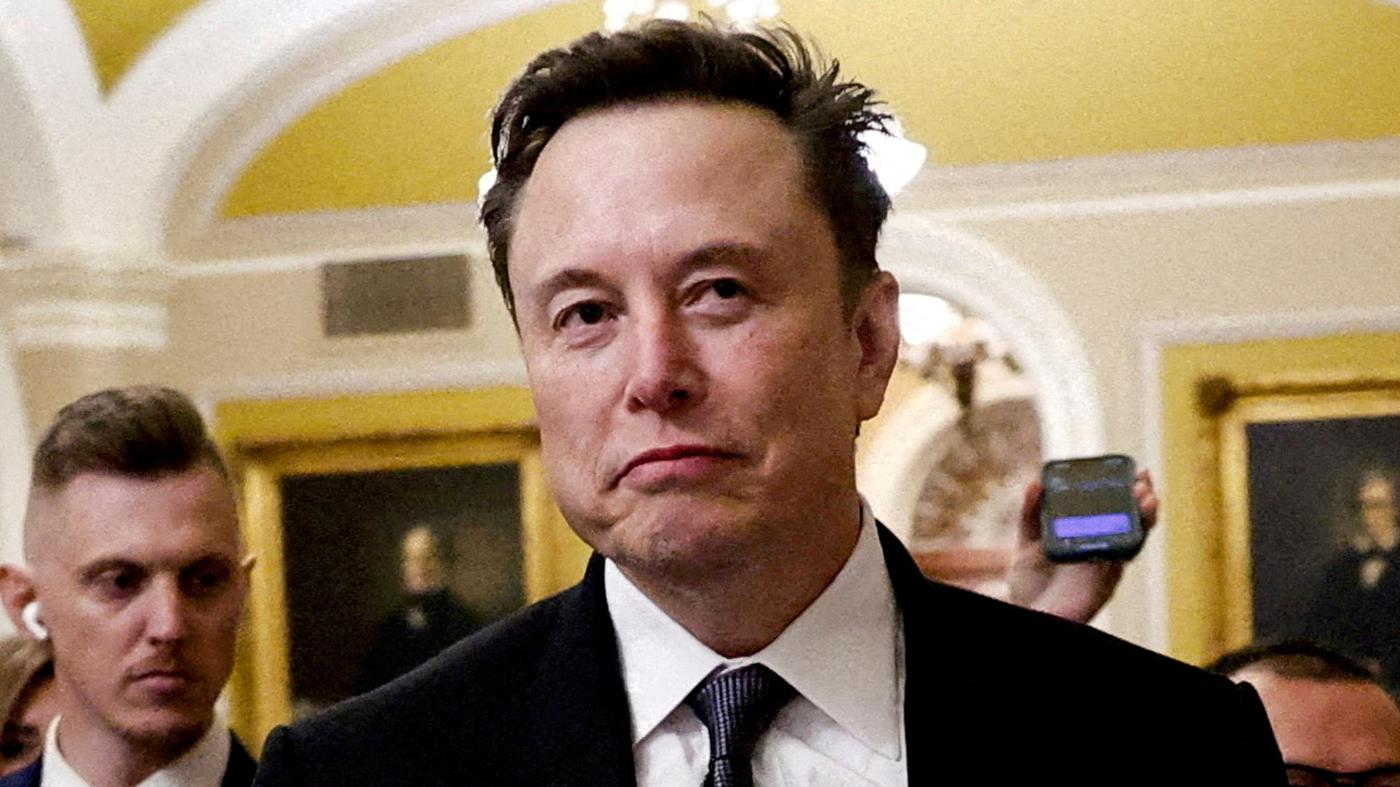
How Elon Musk Made Investors Clamor for SpaceX Stock While Overlooking the Risks
The Billionaire Vision, Investor Frenzy, and the Lessons Africa Can Learn from SpaceX’s Rise
Few companies in the world generate as much excitement among investors as SpaceX.
Founded by Elon Musk in 2002, the private aerospace company has transformed from an ambitious start-up with a seemingly impossible mission into one of the world’s most valuable private enterprises. Today, SpaceX is not only reshaping the global space industry but has also become one of the most sought-after investment opportunities in modern business.
Investors are eager to buy shares whenever they become available, often pushing valuations higher with every funding round. Yet despite the enthusiasm, many investors appear willing to overlook significant risks associated with the company.
The story of SpaceX is not simply about rockets and satellites—it is a powerful case study in leadership, vision, investor psychology, and the ability of a founder to turn bold ambition into financial momentum.
The Power of Vision
One of SpaceX’s greatest assets is not its rockets—it is its story.
Elon Musk has consistently positioned the company around a mission larger than profit: making humanity a multi-planetary species. This vision has captured the imagination of investors, governments, engineers, and the public alike.
Unlike traditional aerospace companies focused solely on contracts and earnings, SpaceX sells a future-oriented narrative built around innovation, disruption, and exploration.
Investors are not simply buying into a company; they are buying into a vision of the future.
This ability to inspire belief has become one of Musk’s most powerful business tools.
Building a Near-Monopoly in Space Launches
Beyond the narrative, SpaceX has delivered results.
The company has dramatically reduced launch costs through reusable rocket technology, disrupted an industry once dominated by government agencies and established aerospace giants, and secured billions of dollars in commercial and government contracts.
Its Falcon rockets have become the backbone of numerous satellite launches, while Starlink has emerged as one of the world’s fastest-growing satellite internet networks.
These achievements have strengthened investor confidence and created the perception that SpaceX possesses a significant competitive advantage.
For many investors, the company’s technological leadership justifies increasingly ambitious valuations.
Why Investors Keep Buying
Several factors continue to fuel demand for SpaceX shares.
First, access is limited. As a private company, SpaceX shares are not freely traded on public stock exchanges. Scarcity naturally increases demand whenever shares become available through secondary markets.
Second, investors see massive growth potential. Many believe Starlink alone could become one of the world’s largest telecommunications businesses, serving millions of customers globally.
Third, Musk’s track record influences investor behavior. Despite skepticism surrounding Tesla, SpaceX, and other ventures in their early years, Musk has repeatedly delivered products and businesses that exceeded expectations.
This history has created a level of investor confidence rarely seen among corporate leaders.
The Risks Investors Often Ignore
Despite its successes, SpaceX remains exposed to substantial risks.
The space industry is highly capital-intensive, requiring enormous investments in research, infrastructure, manufacturing, and operations.
Rocket failures, regulatory changes, geopolitical tensions, and technological setbacks could significantly impact growth.
Competition is also increasing. Major players, including government agencies, established aerospace firms, and emerging private companies, are investing heavily in space technologies and satellite communications.
Star link itself faces regulatory challenges in multiple markets and must continue expanding rapidly to justify investor expectations.
Yet many investors appear willing to discount these risks because of confidence in the company’s long-term vision and leadership.
The Elon Musk Effect
Perhaps the most fascinating aspect of the SpaceX story is the role of Elon Musk himself.
Few business leaders possess the ability to attract capital, media attention, talent, and customer loyalty at the scale Musk commands.
His personal brand has become intertwined with the companies he leads.
For supporters, Musk represents innovation, disruption, and relentless ambition. For critics, this concentration of influence creates additional risks, as company valuations become closely linked to one individual.
Regardless of perspective, there is little doubt that Musk’s reputation has significantly contributed to investor enthusiasm surrounding SpaceX.
What Africa Can Learn
The SpaceX story offers important lessons for African entrepreneurs, investors, and policymakers.
First, vision matters. Investors are often attracted to companies that solve large-scale problems and communicate a compelling long-term mission.
Second, innovation creates value. SpaceX succeeded not because it entered an existing market, but because it fundamentally changed the economics of space travel.
Third, execution remains critical. Vision alone is insufficient without the operational discipline required to deliver measurable results.
Africa’s next generation of high-growth companies will likely emerge from founders who combine bold ambition with practical execution.
Whether in fintech, artificial intelligence, agriculture, manufacturing, clean energy, or infrastructure, the ability to inspire confidence while delivering results will be a defining leadership advantage.
SpaceX demonstrates that in today’s economy, perception and performance often work together.
Investors are willing to back transformative ideas when they believe leadership can turn vision into reality. Elon Musk has mastered this balance better than almost any entrepreneur of his generation.
However, the story also serves as a reminder that every high-growth opportunity carries risk.
For African business leaders, the key lesson is not to build the next SpaceX, but to understand how powerful vision, innovation, credibility, and execution can attract capital and create lasting enterprise value.
Because in business, the companies that capture imagination often gain access to the resources needed to shape the future.
